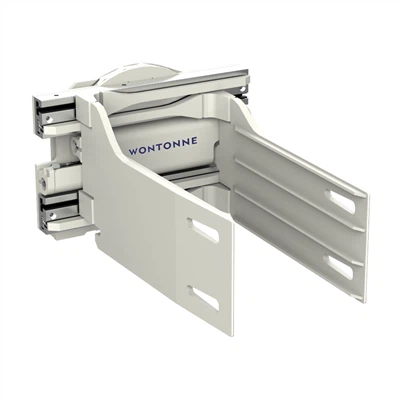
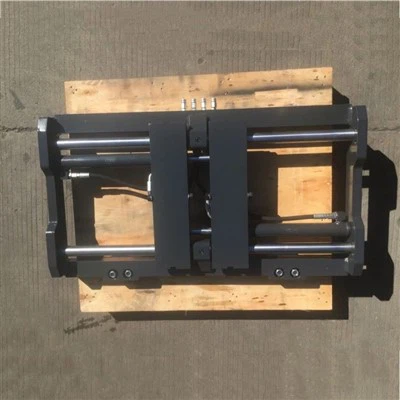
As a supplier of Forklift Goods Cages, I understand the critical importance of ensuring the proper alignment of these cages on the forklift. Incorrect alignment can lead to a range of issues, including reduced efficiency, increased risk of accidents, and potential damage to both the goods and the equipment. In this blog post, I will share some key strategies and best practices to help you ensure the proper alignment of forklift goods cages on the forklift.
Understanding the Basics of Forklift Goods Cages
Before delving into the alignment process, it's essential to have a clear understanding of forklift goods cages. These cages are designed to securely transport and store goods on forklifts, providing an additional layer of safety and stability. They come in various sizes, shapes, and configurations to accommodate different types of goods and forklift models.
When selecting a forklift goods cage, it's crucial to choose one that is compatible with your forklift's specifications and the type of goods you will be transporting. This includes considering factors such as the cage's weight capacity, dimensions, and attachment mechanism. Additionally, ensure that the cage meets all relevant safety standards and regulations to minimize the risk of accidents.
Preparing the Forklift and Goods Cage
Proper preparation is the first step in ensuring the correct alignment of forklift goods cages. Here are some key steps to follow:
- Inspect the Forklift: Before attaching the goods cage, thoroughly inspect the forklift to ensure it is in good working condition. Check the forks for any signs of damage or wear, and make sure they are properly adjusted and aligned. Additionally, inspect the hydraulic system, brakes, and other critical components to ensure they are functioning correctly.
- Inspect the Goods Cage: Similarly, inspect the goods cage for any signs of damage or wear. Check the frame, mesh, doors, and other components to ensure they are intact and secure. Pay special attention to the attachment points and ensure they are clean and free of debris.
- Clean the Forks: Before attaching the goods cage, clean the forks to remove any dirt, grease, or debris. This will help ensure a secure and stable connection between the forks and the cage.
- Position the Forklift: Position the forklift in front of the goods cage, ensuring that the forks are aligned with the cage's attachment points. Make sure the forklift is on a level surface and that the brakes are engaged to prevent any movement during the attachment process.
Attaching the Goods Cage to the Forklift
Once the forklift and goods cage are properly prepared, it's time to attach the cage to the forklift. Here are some key steps to follow:
- Align the Attachment Points: Carefully position the goods cage so that the attachment points on the cage align with the forks on the forklift. This may require some adjustment of the cage's position or the forklift's forks.
- Lower the Forks: Slowly lower the forks onto the attachment points on the goods cage. Make sure the forks are fully seated and that the cage is securely attached to the forklift.
- Secure the Cage: Once the cage is attached to the forklift, use the appropriate locking mechanism to secure it in place. This may include using pins, bolts, or other fasteners to prevent the cage from shifting or detaching during operation.
- Check the Alignment: After attaching the goods cage, check the alignment to ensure it is level and centered on the forklift. This can be done by visually inspecting the cage or using a leveling tool. Make any necessary adjustments to the cage or the forklift's forks to ensure proper alignment.
Maintaining Proper Alignment During Operation
Proper alignment is not just important during the attachment process; it must also be maintained during operation to ensure the safety and efficiency of the forklift and the goods being transported. Here are some key tips to help you maintain proper alignment during operation:
- Drive Carefully: When operating the forklift with a goods cage attached, drive slowly and carefully to avoid sudden movements or jerks that could cause the cage to shift or become misaligned.
- Avoid Overloading: Make sure the goods cage is not overloaded beyond its weight capacity. Overloading can cause the cage to become unstable and increase the risk of accidents.
- Use Proper Lifting Techniques: When lifting or lowering the goods cage, use proper lifting techniques to ensure the cage remains level and centered on the forklift. This includes keeping the forks parallel to the ground and using the hydraulic controls to lift and lower the cage smoothly.
- Inspect the Cage Regularly: During operation, inspect the goods cage regularly to ensure it remains properly aligned and secure. Check for any signs of damage or wear, and make any necessary repairs or adjustments immediately.
Training and Education
Proper training and education are essential for ensuring the safe and efficient operation of forklifts and forklift goods cages. All operators should receive comprehensive training on the proper use and maintenance of forklifts and goods cages, including how to ensure proper alignment. This training should include both theoretical and practical components, and operators should be required to demonstrate their proficiency before being allowed to operate the equipment.
In addition to operator training, it's also important to provide ongoing education and refresher courses to keep operators up-to-date on the latest safety standards and best practices. This can help prevent accidents and ensure the continued safe and efficient operation of the equipment.


Conclusion
Ensuring the proper alignment of forklift goods cages on the forklift is essential for the safety and efficiency of your operations. By following the strategies and best practices outlined in this blog post, you can minimize the risk of accidents, reduce downtime, and protect your equipment and goods.
If you have any questions or need further information about our Forklift Goods Cages, Goods Cages, or Forklift Safety Access Cage, please don't hesitate to contact us. We're here to help you find the right solutions for your needs and ensure the success of your operations.
References
- Forklift Safety Guidelines - Occupational Safety and Health Administration (OSHA)
- Forklift Operator Training Manual - Manufacturer's Instructions
- Best Practices for Forklift Goods Cage Use - Industry Publications