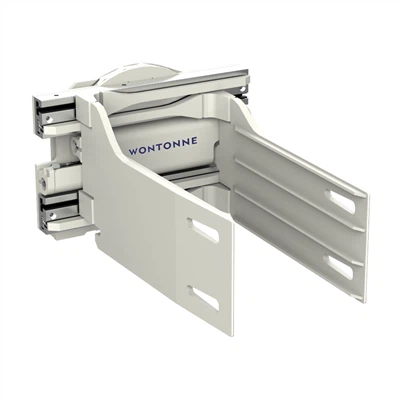
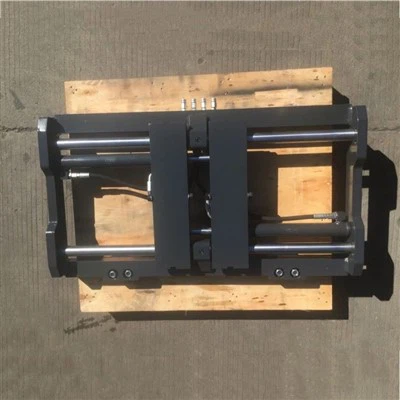
Forged cable clamps are essential components in various industries, used to secure cables and ensure the safety and stability of electrical, mechanical, and other systems. As a supplier of forged cable clamps, I often receive inquiries from customers about whether these clamps are affected by chemical substances. In this blog post, I will delve into this topic, exploring the potential impacts of chemical substances on forged cable clamps and providing insights based on scientific knowledge and industry experience.
Understanding Forged Cable Clamps
Before discussing the effects of chemical substances, it's important to understand what forged cable clamps are. Forged cable clamps are typically made from high - strength metals such as steel, which are forged under high pressure to achieve a dense and uniform grain structure. This forging process enhances the mechanical properties of the clamps, including their strength, toughness, and resistance to fatigue.
The main functions of forged cable clamps are to hold cables firmly in place, prevent cable movement or slippage, and protect cables from damage. They are widely used in power transmission, telecommunications, construction, and industrial machinery applications.
Types of Chemical Substances That May Affect Forged Cable Clamps
There are several types of chemical substances that could potentially interact with forged cable clamps:
Acids
Acids are corrosive substances that can react with the metal in forged cable clamps. Strong acids, such as sulfuric acid and hydrochloric acid, can cause rapid corrosion of steel clamps. The acid can dissolve the protective oxide layer on the surface of the metal, exposing the underlying metal to further attack. This can lead to pitting corrosion, which weakens the structure of the clamp over time.
Alkalis
Alkalis, also known as bases, can also have an impact on forged cable clamps. While steel is generally more resistant to alkalis than acids, strong alkalis like sodium hydroxide can still cause corrosion under certain conditions. Prolonged exposure to alkalis can disrupt the passive film on the steel surface, leading to corrosion and reduced mechanical strength.
Salts
Salts, especially those containing chloride ions, are a major concern in environments where forged cable clamps are used. Chloride ions can penetrate the protective oxide layer on the steel surface and initiate corrosion. This is particularly problematic in coastal areas or in industrial settings where there is a high concentration of salt in the air or water. For example, in marine applications, the saltwater can accelerate the corrosion of forged cable clamps, reducing their service life.
Oxidizing Agents
Oxidizing agents, such as hydrogen peroxide or ozone, can react with the metal in the clamps and cause oxidation. Oxidation can lead to the formation of rust on the surface of the clamps, which not only affects their appearance but also weakens their mechanical properties.
Mechanisms of Chemical Attack on Forged Cable Clamps
The chemical attack on forged cable clamps usually occurs through electrochemical processes. When the metal in the clamp is exposed to a corrosive environment, an electrochemical cell is formed. The metal acts as an anode, where oxidation occurs, and the surrounding electrolyte (such as water containing dissolved salts) acts as a medium for the flow of electrons.
At the anode, metal atoms lose electrons and dissolve into the electrolyte as metal ions. At the cathode, oxygen in the air reacts with water and electrons to form hydroxide ions. The metal ions and hydroxide ions then combine to form metal hydroxides, which can further react with oxygen to form metal oxides (rust).
The rate of corrosion depends on several factors, including the type and concentration of the chemical substance, the temperature, the humidity, and the presence of other contaminants. Higher temperatures and humidity levels generally accelerate the corrosion process.
Impact of Chemical Substances on the Performance of Forged Cable Clamps
Structural Integrity
As mentioned earlier, corrosion caused by chemical substances can weaken the structure of forged cable clamps. Pitting corrosion can create small holes in the clamp, reducing its cross - sectional area and thus its load - bearing capacity. Cracks may also develop due to corrosion, which can lead to sudden failure of the clamp under stress.
Clamping Force
Corrosion can also affect the clamping force of the cable clamps. As the metal corrodes, it may expand or deform, which can cause the clamp to loosen over time. A loose clamp may not hold the cable firmly, leading to cable movement, vibration, and potential damage to the cable.
Electrical Conductivity
In electrical applications, corrosion can affect the electrical conductivity of the cable clamps. Rust and other corrosion products have poor electrical conductivity, which can increase the resistance at the connection point between the clamp and the cable. This can lead to overheating, power loss, and potential electrical failures.
Preventive Measures
As a supplier of forged cable clamps, I recommend several preventive measures to protect the clamps from the effects of chemical substances:
Coating
Applying a protective coating to the forged cable clamps is one of the most effective ways to prevent corrosion. There are various types of coatings available, such as zinc plating, epoxy coating, and powder coating. Zinc plating provides sacrificial protection, where the zinc corrodes instead of the steel. Epoxy and powder coatings create a physical barrier between the metal and the corrosive environment.
Material Selection
Choosing the right material for the cable clamps can also improve their resistance to chemical substances. For example, stainless steel clamps are more resistant to corrosion than carbon steel clamps. Stainless steel contains chromium, which forms a passive oxide layer on the surface, providing excellent corrosion resistance.


Environmental Control
Controlling the environment where the cable clamps are used can also reduce the risk of corrosion. For example, in industrial settings, proper ventilation can reduce the concentration of corrosive gases in the air. In outdoor applications, using shelters or enclosures can protect the clamps from rain, snow, and salt spray.
Real - World Applications and Case Studies
In the power transmission industry, forged cable clamps are used to secure high - voltage cables. In coastal areas, where the salt content in the air is high, these clamps are at risk of corrosion. One power company reported that they had to replace a significant number of cable clamps due to corrosion after a few years of use. After switching to stainless steel clamps with a protective coating, the corrosion rate was significantly reduced, and the service life of the clamps was extended.
In the construction industry, forged cable clamps are used in scaffolding systems to secure cables for lighting and other electrical equipment. In some construction sites where there are chemical spills or high levels of dust containing corrosive substances, the clamps may be affected. By regularly inspecting and maintaining the clamps and applying protective coatings, the construction companies can ensure the safety and reliability of their scaffolding systems.
Conclusion
In conclusion, forged cable clamps can be affected by chemical substances such as acids, alkalis, salts, and oxidizing agents. These chemical substances can cause corrosion, which can compromise the structural integrity, clamping force, and electrical conductivity of the clamps. However, by taking appropriate preventive measures, such as coating, material selection, and environmental control, the impact of chemical substances on forged cable clamps can be minimized.
As a reliable supplier of forged cable clamps, I am committed to providing high - quality products that can withstand various environmental conditions. If you are in need of forged cable clamps for your projects, or if you have any questions about the performance of our products in corrosive environments, please feel free to contact me for a detailed discussion and procurement negotiation. We can work together to find the best solutions for your specific needs.
If you are also interested in other forklift special attachments, you can check out the following links:
Bell Type Block Clamps
Forklift Load Extenders
Forklift Sanitation Forks
References
- Fontana, M. G. (1986). Corrosion Engineering. McGraw - Hill.
- Uhlig, H. H., & Revie, R. W. (1985). Corrosion and Corrosion Control: An Introduction to Corrosion Science and Engineering. Wiley.
- ASM Handbook, Volume 13A: Corrosion: Fundamentals, Testing, and Protection. ASM International.