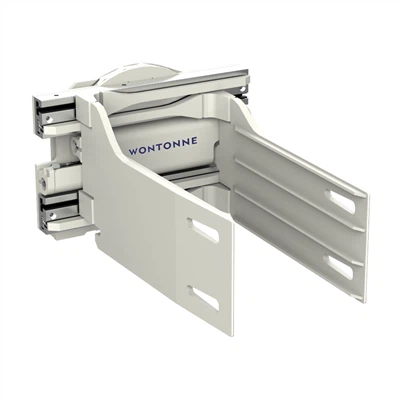
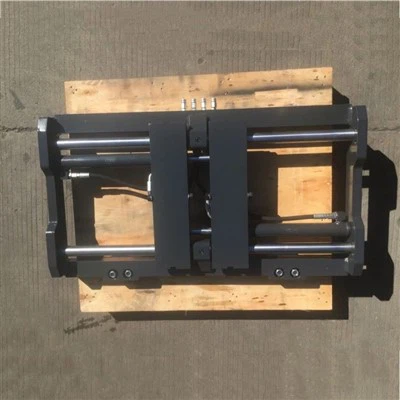
As a supplier of Forklift Goods Cages, I've often been asked about the safety of these essential pieces of equipment. In this blog, I'll delve into the safety aspects of forklift goods cages, exploring their design, usage, and the measures in place to ensure they are safe to use.
Design and Construction Safety
The safety of forklift goods cages starts with their design and construction. High - quality Forklift Goods Cages are engineered to meet strict safety standards. They are typically made from robust materials such as high - strength steel, which can withstand the rigors of daily use in industrial environments.
The structural integrity of the cage is crucial. Welds should be strong and uniform, ensuring that the cage remains intact even when carrying heavy loads. The bars and panels of the cage are designed to prevent items from falling out during transit. For example, the spacing between the bars is carefully calculated to stop small objects from slipping through while still allowing for good visibility.
Moreover, forklift goods cages are often equipped with safety features such as locking mechanisms. These locks ensure that the doors of the cage remain securely closed during operation, preventing accidental openings that could lead to goods falling or workers being ejected.
Load Capacity and Stability
Another key aspect of safety is the load capacity of the forklift goods cage. Each cage is rated for a specific maximum load, and it is essential that this limit is never exceeded. Overloading a cage can lead to instability, which in turn increases the risk of the forklift tipping over.
When loading the cage, it's important to distribute the weight evenly. Unevenly distributed loads can cause the forklift to become unbalanced, especially when turning or lifting the cage to higher levels. Operators should be trained to assess the weight and distribution of the goods before loading them into the cage.
The stability of the forklift itself is also affected by the use of a goods cage. The additional weight and height of the cage can change the forklift's center of gravity. Forklifts are designed to handle certain types of attachments, and it's crucial to ensure that the forklift being used is compatible with the specific Goods Cages being employed.
Operator Training and Safety Procedures
Even the safest forklift goods cages can pose risks if not used correctly. Operator training is therefore of utmost importance. Operators should be trained not only on how to operate the forklift but also on how to safely use the goods cage.
They need to understand the safety features of the cage, such as how to properly lock and unlock the doors, and how to secure the load within the cage. Training should also cover the importance of inspecting the cage before each use. Any signs of damage, such as bent bars or faulty locks, should be reported immediately, and the cage should not be used until it has been repaired.
In addition to individual operator training, companies should have clear safety procedures in place. These procedures should outline the steps for loading, transporting, and unloading goods using the cage. For example, there should be guidelines on the maximum height to which the cage can be lifted, and the speed at which the forklift should travel when carrying a loaded cage.
Environmental Considerations
The environment in which the forklift goods cage is used also plays a role in its safety. In a busy warehouse, there may be many obstacles and other vehicles moving around. Operators need to be extra cautious when maneuvering a forklift with a goods cage to avoid collisions.
Weather conditions can also impact safety. For example, in wet or slippery conditions, the risk of the forklift skidding increases. In such cases, operators may need to adjust their driving speed and be more careful when turning or braking.
If the cage is being used outdoors, it may be exposed to elements such as wind. Strong winds can affect the stability of the cage, especially when it is lifted to a significant height. Operators should be trained to assess the wind conditions and make appropriate decisions about whether it is safe to continue using the cage.
Maintenance and Inspection
Regular maintenance and inspection are vital for ensuring the continued safety of forklift goods cages. A preventive maintenance schedule should be established, which includes tasks such as checking the integrity of the structural components, lubricating moving parts, and testing the safety locks.


Inspections should be carried out by qualified personnel. They should look for signs of wear and tear, corrosion, and any other issues that could compromise the safety of the cage. Any identified problems should be addressed promptly, and records of all inspections and maintenance should be kept.
Conclusion
In conclusion, forklift goods cages can be safe to use when they are well - designed, used correctly, and properly maintained. The combination of robust construction, appropriate load management, operator training, and adherence to safety procedures all contribute to a safe working environment.
However, it's important to recognize that there are always risks associated with using any type of industrial equipment. By being aware of these risks and taking the necessary precautions, companies can minimize the likelihood of accidents and ensure the safety of their workers.
If you are interested in purchasing high - quality and safe Forklift Safety Access Cage or other forklift goods cages, we are here to assist you. Our products are designed and manufactured to the highest safety standards, and we can provide you with the necessary information and support to ensure that you make the right choice for your business. Feel free to reach out to us to discuss your requirements and start a procurement conversation.
References
- Industrial Truck Association. (20XX). Forklift Safety Guidelines.
- Occupational Safety and Health Administration. (20XX). Safety Standards for Forklift Operations.