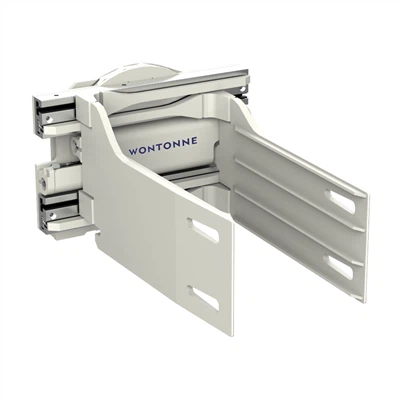
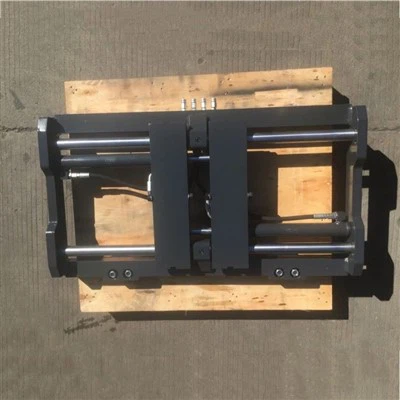
When it comes to industrial equipment, safety is always a top priority. As a supplier of Turnaload Clamps, I understand the importance of providing clear and comprehensive safety precautions for our customers. Turnaload Clamps are versatile and powerful tools used in various industries, including warehousing, logistics, and manufacturing. They are designed to handle different types of loads, such as bales, boxes, and drums, with ease and efficiency. However, like any other industrial equipment, using Turnaload Clamps requires proper safety measures to prevent accidents and ensure the well - being of operators and the surrounding environment.
Pre - operation Safety Checks
Before using a Turnaload Clamp, a series of pre - operation safety checks should be carried out. First and foremost, visually inspect the clamp for any signs of damage, such as cracks, bent parts, or loose bolts. Any damaged components should be replaced immediately to avoid potential failures during operation. Check the hydraulic hoses for leaks, cuts, or abrasions. Hydraulic fluid leaks can not only reduce the performance of the clamp but also pose a safety hazard due to the risk of slipping on the leaked fluid.
Verify that all the control buttons and levers are in good working condition. They should respond smoothly and accurately to the operator's input. The clamping force adjustment mechanism should also be inspected to ensure that it can be set correctly according to the load requirements. Additionally, check the mounting points of the clamp on the forklift or other handling equipment. Make sure they are securely fastened and that there is no excessive play or movement.
Operator Training
Proper operator training is crucial for the safe use of Turnaload Clamps. Operators should be trained on the specific features and functions of the Turnaload Clamp they will be using. This includes understanding how to operate the control buttons, adjust the clamping force, and handle different types of loads. Training should also cover safety procedures, such as how to avoid overloading the clamp, how to position the load correctly, and what to do in case of an emergency.
Operators should be familiar with the weight capacity of the Turnaload Clamp. Overloading the clamp can lead to structural failure, which may cause the load to drop and result in serious injuries or property damage. They should also know how to calculate the weight of the load accurately, taking into account factors such as the density and volume of the material.
Load Handling
When handling loads with a Turnaload Clamp, several safety precautions need to be followed. First, ensure that the load is centered between the clamping arms. An off - center load can cause uneven stress on the clamp, increasing the risk of damage and load instability. The clamping arms should make full contact with the load to provide a secure grip.
Avoid sudden movements when lifting or moving the load. Sudden starts, stops, or turns can cause the load to shift or fall. When lifting the load, do it slowly and steadily to prevent any jerking motions. When lowering the load, also do it gradually to ensure a controlled descent.
It is important to note that different types of loads may require different clamping techniques. For example, when handling bales, the clamp should be adjusted to apply the appropriate pressure to prevent the bales from being crushed. For more information on specific types of clamps for different loads, you can visit our Forklift Bale Clamp Attachment page.
Workplace Safety
The workplace where the Turnaload Clamp is used also plays a significant role in safety. The area should be well - lit to ensure good visibility for the operator. There should be no obstacles in the path of the forklift or other handling equipment, and the floor should be clean and free of debris to prevent slipping.
Install appropriate safety barriers and signs in the area to indicate the operating zone of the Turnaload Clamp. This helps to keep other workers away from the potentially dangerous area. If there are other equipment or machinery operating nearby, ensure that there is enough clearance to avoid collisions.
Maintenance and Inspection
Regular maintenance and inspection are essential for the long - term safety and performance of Turnaload Clamps. A maintenance schedule should be established, and all maintenance tasks should be carried out by qualified personnel. This includes lubricating moving parts, checking the hydraulic system, and replacing worn - out components.
In addition to regular maintenance, periodic inspections should be conducted. These inspections can be more in - depth than the pre - operation checks and may involve testing the clamping force, checking the alignment of the clamping arms, and examining the overall structural integrity of the clamp. For example, our TAL30D Turnaloads require specific maintenance procedures to ensure optimal performance.
Emergency Procedures
Operators should be aware of the emergency procedures in case of a problem with the Turnaload Clamp. This includes knowing how to stop the equipment immediately in case of a malfunction, such as a sudden loss of clamping force or a hydraulic system failure. There should be an emergency stop button easily accessible to the operator.
In the event of a load dropping or other serious incidents, operators should know how to evacuate the area safely and notify the appropriate personnel. First - aid kits should be available in the workplace, and operators should be trained in basic first - aid procedures.
Special Considerations for Different Types of Clamps
We also offer No - Arm Clamps, Sideshifting Type, which have their own unique safety considerations. These clamps are designed to provide a more flexible way of handling loads, but they require careful operation. For example, when using the sideshifting function, operators need to ensure that the load remains stable and does not tip over.
The lack of arms in these clamps means that the load is held in a different way compared to traditional clamps. Operators should be trained on how to position the load correctly to prevent it from slipping out of the clamp. Additionally, the sideshifting mechanism should be inspected regularly to ensure smooth operation and prevent any jams or malfunctions.
In conclusion, using a Turnaload Clamp safely requires attention to multiple aspects, including pre - operation checks, operator training, load handling, workplace safety, maintenance, and emergency procedures. By following these safety precautions, you can minimize the risk of accidents and ensure the efficient and reliable operation of the equipment.
If you are interested in purchasing Turnaload Clamps or have any questions about their safety and operation, we encourage you to contact us for a detailed discussion. Our team of experts is ready to assist you in finding the right clamp for your specific needs and providing all the necessary support for safe and effective use.


References
- Industrial Equipment Safety Standards Handbook
- Forklift and Attachment Operation Manuals
- Manufacturer's Guidelines for Turnaload Clamps