As a Turnaload Clamp supplier, I often get asked a bunch of questions from customers. One of the most common ones is, "Can a Turnaload Clamp be used in high - temperature environments?" Well, let's dig into this topic and find out.
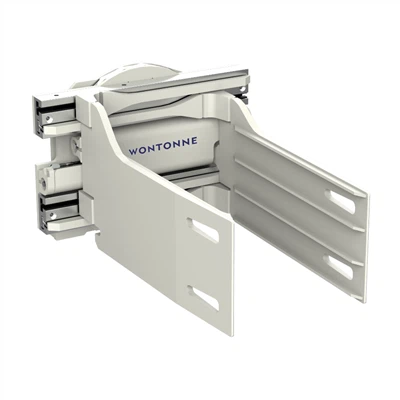
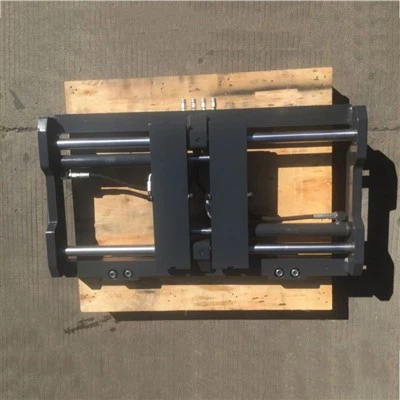
First off, let's understand what a Turnaload Clamp is. It's a pretty nifty piece of equipment that's super useful for handling all sorts of materials. Whether you're in the warehousing business, manufacturing, or any industry that involves moving stuff around, the Turnaload Clamp can be your best friend. It's designed to grip and hold items firmly, allowing for easy transport and placement. You can check out some of our other great clamps like the Bale Clamp – High-Performance Forklift Attachment For Bulk Material Handling Without Pallets and the BCS20E - Bale Clamp and Forklift Block Clamp on our website.
Now, back to the main question. High - temperature environments can be a real challenge for any piece of equipment. There are a few factors we need to consider when thinking about using a Turnaload Clamp in such conditions.
Material Compatibility
The materials used in the construction of the Turnaload Clamp play a huge role. Most of our clamps are made from high - quality metals like steel. Steel is known for its strength and durability, but it also has a certain tolerance to heat. In normal operating conditions, steel can handle a fair amount of heat without losing its structural integrity. However, when the temperature gets too high, things can start to go wrong.


At extremely high temperatures, steel can begin to lose its hardness and strength. This means that the clamp might not be able to grip as tightly as it should, which could lead to the material slipping out during handling. Also, the expansion and contraction of the metal due to temperature changes can cause stress on the joints and connections of the clamp. Over time, this can lead to cracks and other forms of damage.
Hydraulic System
Many Turnaload Clamps are hydraulically operated. The hydraulic system is crucial for the proper functioning of the clamp, as it provides the force needed to open and close the jaws. But the hydraulic fluid used in these systems has a specific temperature range in which it works best.
In high - temperature environments, the hydraulic fluid can start to break down. When this happens, its viscosity changes, which affects the performance of the hydraulic system. The fluid might become too thin, leading to leaks and a loss of pressure. On the other hand, if the fluid overheats and starts to thicken, it can cause the pump to work harder, leading to increased wear and tear on the system.
Lubrication
Lubrication is essential for the smooth operation of the moving parts in the Turnaload Clamp. In high - temperature environments, the lubricants can evaporate or break down more quickly. This means that the parts might start to rub against each other without proper lubrication, causing increased friction and wear.
Without proper lubrication, the moving parts can seize up, making the clamp inoperable. Also, the lack of lubrication can cause noise and vibration, which can be a sign of serious problems within the clamp.
Safety Considerations
Using a Turnaload Clamp in high - temperature environments also raises some safety concerns. If the clamp fails due to the high temperature, it can pose a risk to the operators and anyone in the vicinity. For example, if a heavy load slips out of the clamp, it could cause serious injuries or damage to the surrounding equipment.
So, can a Turnaload Clamp be used in high - temperature environments? The answer is, it depends.
When It Can Be Used
If the high - temperature environment is within the tolerance limits of the clamp's materials and components, then it can be used. For example, if the temperature is only slightly above normal and the duration of exposure is short, the clamp should be able to handle it without any major issues.
We also offer some specialized Turnaload Clamps that are designed to withstand higher temperatures. These clamps are made from heat - resistant materials and have hydraulic systems and lubricants that are formulated to work in high - temperature conditions.
When It Can't Be Used
If the temperature is extremely high and well beyond the clamp's tolerance, it's not advisable to use it. In such cases, using the clamp can lead to premature failure, costly repairs, and most importantly, safety risks.
If you're not sure whether your Turnaload Clamp can be used in a high - temperature environment, it's best to consult with us. We have a team of experts who can analyze your specific situation and provide you with the best advice.
Tips for Using Turnaload Clamps in High - Temperature Environments
If you do need to use a Turnaload Clamp in a high - temperature environment, here are some tips to keep in mind:
- Regular Inspections: Conduct regular inspections of the clamp to check for any signs of damage or wear. Look for cracks, leaks, and any changes in the performance of the clamp.
- Monitor the Temperature: Keep an eye on the temperature of the environment and the clamp itself. If the temperature starts to approach the limit, consider taking a break or using alternative equipment.
- Use the Right Lubricants: Make sure to use lubricants that are designed for high - temperature applications. These lubricants can help reduce friction and prevent the moving parts from seizing up.
- Proper Maintenance: Follow the manufacturer's maintenance schedule to ensure that the clamp is in good working condition. This includes changing the hydraulic fluid, checking the seals, and tightening the connections.
In conclusion, while a Turnaload Clamp can potentially be used in high - temperature environments, it's important to take the necessary precautions. We, as a supplier, are committed to providing you with the best products and support. If you're interested in learning more about our Turnaload Clamps or have any questions about using them in high - temperature environments, don't hesitate to get in touch with us. We're here to help you make the right choice for your business.
References
- Engineering materials textbooks on the properties of metals and their behavior under high temperatures.
- Hydraulic system manuals and technical documents related to the performance of hydraulic fluids in different temperature conditions.
- Internal research and development reports on the design and testing of Turnaload Clamps in various environments.