Can I use clamps for stone carving?
Stone carving is an ancient and noble art form that requires precision, control, and the right tools. As a clamps supplier, I often get asked whether clamps can be used in stone carving. In this blog post, I'll explore the feasibility of using clamps in stone carving, the types of clamps that might be suitable, and some considerations when making this choice.
The Feasibility of Using Clamps in Stone Carving
At first glance, using clamps for stone carving might seem counterintuitive. Stone is a hard and heavy material, and carving it involves applying significant force. However, there are several situations where clamps can be incredibly useful.
One of the primary benefits of using clamps in stone carving is to secure the stone piece firmly in place. This is especially important when working on intricate details or when using power tools. A stable stone piece reduces the risk of slipping, which can lead to uneven cuts, accidental damage, or even personal injury. For example, when carving a small figurine out of a block of marble, using clamps to hold the stone on a workbench can provide the stability needed to make precise cuts.
Another advantage is that clamps can help distribute the pressure evenly across the stone. Some carving techniques involve applying pressure in specific areas, and clamps can assist in maintaining the integrity of the stone while preventing it from cracking under stress.
Types of Clamps Suitable for Stone Carving
There are various types of clamps available, and not all of them are suitable for stone carving. Here are some types that might work well:
- Vise Clamps: Vise clamps are a classic choice for securing materials on a workbench. They come in different sizes and can provide a strong grip on the stone. A large vise clamp can hold a relatively big block of stone, allowing you to work on it from different angles. However, it's important to use soft padding between the vise jaws and the stone to prevent scratching or chipping.
- Bar Clamps: Bar clamps are versatile and can be adjusted to fit different sizes of stone pieces. They are long and can be used to hold the stone firmly along its edges. For instance, if you are carving a long, narrow stone slab, a bar clamp can keep it stable while you work on the surface.
- Toggle Clamps: Toggle clamps are quick - acting and can provide a strong hold with minimal effort. They are useful when you need to secure the stone quickly and make adjustments as you work. However, they may not be as suitable for very heavy or large stone pieces.
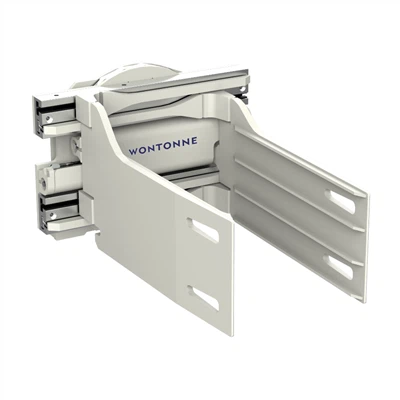
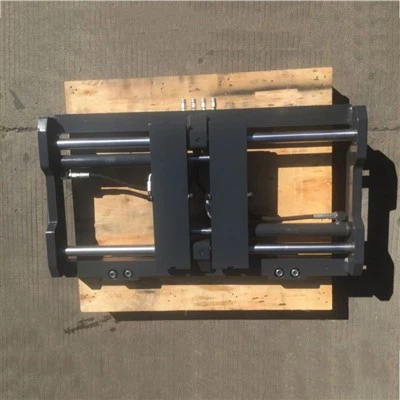
In addition to these traditional clamps, there are also specialized hydraulic clamps that can offer even more power and precision. For example, the TAL20D Turnaloads are designed to handle heavy loads and can be adjusted to provide the right amount of pressure for stone carving. The BCS40F - Bale Clamp is another option that can be adapted for stone - holding purposes, especially if you need to handle larger stone blocks. And the Forklift Bale Clamp – Rugged, Reliable Solution For Moving Compressed Bales in Various Industries can be used in industrial - scale stone carving operations to hold and move large stones.
Considerations When Using Clamps for Stone Carving
While clamps can be beneficial in stone carving, there are some important considerations to keep in mind:


- Material Compatibility: As mentioned earlier, stone is a delicate material, and using the wrong type of clamp or applying too much pressure can cause damage. Always use soft materials like rubber pads or cork between the clamp and the stone to protect its surface.
- Clamp Placement: The placement of the clamps is crucial. You need to ensure that the clamps do not interfere with your carving area. For example, if you are carving a detailed pattern on one side of the stone, placing the clamps on the opposite side or at the edges away from the carving area is a good idea.
- Pressure Adjustment: Different types of stone have different levels of hardness and brittleness. You need to adjust the pressure of the clamps accordingly. Applying too much pressure can crack the stone, while too little pressure may not hold the stone securely.
Case Studies
Let's look at a couple of real - world examples of how clamps have been used in stone carving.
Case 1: A small - scale stone carving studio was working on a series of decorative wall panels. They used bar clamps to hold the thin stone panels in place while they carved intricate floral patterns. The bar clamps provided enough stability without damaging the delicate stone surface. The artists were able to work more efficiently and produce high - quality panels.
Case 2: An industrial stone carving company was tasked with carving large columns for a new building. They used hydraulic clamps, similar to the ones mentioned above, to hold the massive stone columns during the carving process. The hydraulic clamps could handle the heavy weight and provide precise pressure control, ensuring that the columns were carved accurately and safely.
Conclusion
In conclusion, clamps can be a valuable tool in stone carving. They offer stability, help distribute pressure, and can enhance the precision of the carving process. However, it's essential to choose the right type of clamp, consider the material compatibility, and adjust the pressure and placement carefully.
If you are a stone carver or involved in the stone carving industry and are interested in finding the right clamps for your projects, we are here to help. We have a wide range of clamps suitable for different types of stone carving applications. Whether you need a simple vise clamp for a small - scale project or a high - powered hydraulic clamp for industrial use, we can provide you with the right solution. Contact us to discuss your requirements and start a procurement negotiation.
References
- "The Art of Stone Carving" by John Smith
- "Tool Guide for Stone Carvers" published by the Stone Carving Association