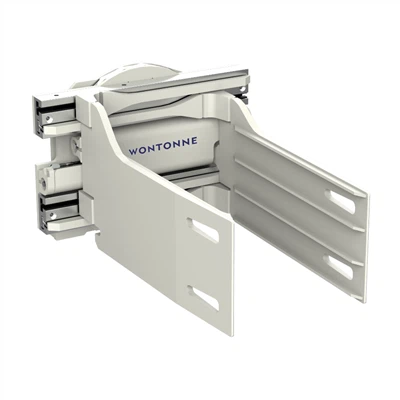
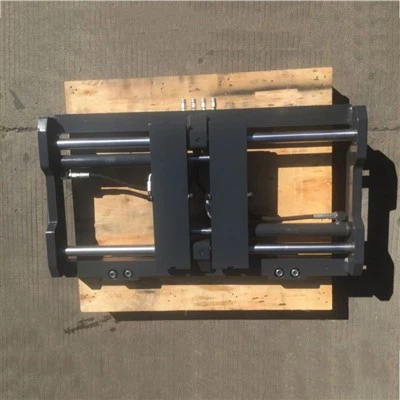
Hey there! As a supplier of pallet converters, I often get asked this question: “Do pallet converters require a dedicated operator?” Well, let's dig into this topic and find out.
First off, what are pallet converters? These nifty devices are designed to transfer loads from one type of pallet to another. They're super handy in warehouses, distribution centers, and manufacturing facilities. They can save a ton of time and effort by automating the pallet - changing process.


Now, back to the main question. Whether pallet converters need a dedicated operator depends on a few factors.
Complexity of the Pallet Converter
Some pallet converters are pretty straightforward to use. They have simple controls and basic operations. For these types, it might not be necessary to have a dedicated operator. A regular warehouse worker can be trained in a short period to operate them.
On the other hand, there are high - end pallet converters with advanced features. These could include automated sensors, programmable settings, and complex hydraulic systems. Operating these machines requires a deeper understanding of the equipment. In such cases, having a dedicated operator makes a lot of sense. The dedicated person can get in - depth training on how to handle different scenarios, troubleshoot issues, and ensure the machine runs at its best.
Frequency of Use
If your pallet converter is used only occasionally, say once a week or less, it might not be cost - effective to have a dedicated operator. In this situation, cross - training existing staff to operate the converter can work well. They can use the machine when needed without taking on a full - time operator role.
However, if the pallet converter is in constant use, like multiple times a day, a dedicated operator becomes more essential. The operator can keep the machine running smoothly throughout the day, perform regular maintenance checks, and make sure there are no long - term breakdowns due to improper use.
Safety Considerations
Safety is a huge deal when it comes to operating any industrial equipment, and pallet converters are no exception. A dedicated operator can focus solely on safety protocols. They'll be trained to wear the appropriate safety gear, follow the correct operating procedures, and ensure that the working environment around the pallet converter is safe.
For example, if there are any potential hazards such as loose cables or uneven floors near the converter, a dedicated operator is more likely to spot these issues and take immediate action. This helps prevent accidents and injuries in the workplace.
Training and Expertise
Even if you don't have a dedicated operator, proper training is crucial. But a dedicated operator can undergo more comprehensive training. They can learn about the technical aspects of the pallet converter, like how the Tri - lateral Head Units work in conjunction with the converter.
These training programs can also cover topics like load capacity limits, how to handle different types of pallets, and emergency shutdown procedures. With this level of expertise, the dedicated operator can make better decisions on the job, which ultimately leads to more efficient and reliable operation of the pallet converter.
Maintenance and Long - Term Performance
A dedicated operator is like a caretaker for the pallet converter. They can perform regular maintenance tasks such as checking the hydraulic fluid levels, lubricating moving parts, and inspecting the electrical connections. By doing these simple tasks on a regular basis, they can extend the lifespan of the machine.
Moreover, the operator can notice small signs of wear and tear early on. For instance, if they notice a strange noise coming from the Bell Type Block Clamps, they can report it immediately and get it fixed before it turns into a major problem. This proactive approach to maintenance can save a lot of money in the long run by avoiding costly repairs and downtime.
Cost - Benefit Analysis
When deciding whether to have a dedicated operator, you need to do a cost - benefit analysis. Hiring a dedicated operator means an additional salary and benefits cost. But on the other hand, having a well - trained operator can lead to increased productivity, fewer breakdowns, and better safety.
If the cost of lost productivity due to machine downtime or accidents is higher than the cost of hiring an operator, then it makes sense to go for a dedicated person. You also need to consider the value of the goods being handled by the pallet converter. If you're dealing with high - value products, having a dedicated operator to ensure their safe transfer can be well worth the investment.
Compatibility with Other Equipment
In many warehouses, pallet converters are used in conjunction with other equipment like forklifts. A dedicated operator can understand how the pallet converter interacts with these other machines. They can coordinate the operations smoothly, for example, ensuring that the forklift is in the right position when the pallet converter is transferring the load.
They can also be trained to use related equipment like Forged Cable Clamps correctly, which might be used to secure the load during the transfer process. This overall understanding of the entire system leads to a more efficient workflow.
Conclusion
So, do pallet converters require a dedicated operator? There's no one - size - fits - all answer. It depends on the complexity of the machine, frequency of use, safety requirements, training needs, maintenance, cost - benefit analysis, and compatibility with other equipment.
If you're still not sure whether a dedicated operator is right for your pallet converter, feel free to reach out to us. We're here to help you make the best decision for your business. Whether you need more information about our pallet converters or advice on operating them, we're just a message away. Contact us to start a discussion about your specific needs and how we can support your operations.
References
- Industrial Equipment Handbook: Covers general information on the operation and maintenance of industrial machinery, including pallet converters.
- Workplace Safety Guidelines: Provides safety standards and best practices for operating heavy equipment in industrial settings.