Hey there! As a supplier of side shifters, I often get asked a bunch of questions about these nifty pieces of equipment. One question that pops up quite a bit is, "Do side shifters need to be calibrated regularly?" Well, let's dig into this topic and find out.
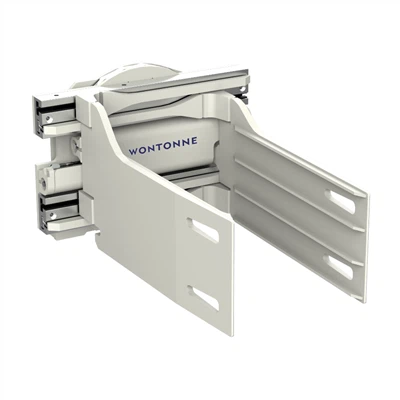
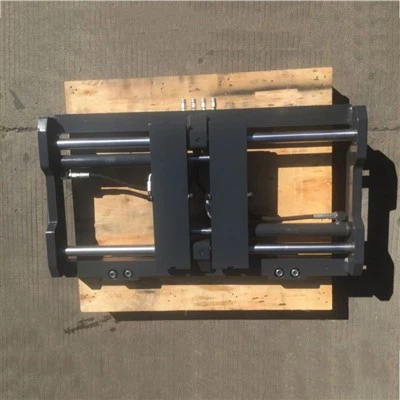
First off, let's talk about what side shifters are. Side shifters are hydraulic attachments that allow forklifts to move their forks left or right without having to reposition the entire forklift. This feature makes it a whole lot easier to pick up and place loads precisely, especially in tight spaces. We offer a range of side shifters, like the G Series Fork Positioner, SSS25F Sideshifters, and E Series Sideshifters. Each of these models has its own unique features and benefits, but they all serve the same basic purpose of making material handling more efficient.
Now, back to the question at hand: Do side shifters need to be calibrated regularly? The short answer is yes, and here's why.
Accuracy and Precision
One of the main reasons for regular calibration is to ensure the accuracy and precision of the side shifter. Over time, the hydraulic components and mechanical parts of the side shifter can wear out. This wear and tear can cause the forks to move unevenly or not as far as they're supposed to. When this happens, it becomes really hard to position loads accurately. And in a busy warehouse or industrial setting, even a small misalignment can lead to big problems. For example, a load that's not properly centered on the forks can tip over, causing damage to the goods, the forklift, and potentially injuring workers. By calibrating the side shifter regularly, you can make sure that the forks move smoothly and precisely to the desired position every time.
Safety
Safety is always a top priority in any workplace, and regular calibration of side shifters plays a crucial role in maintaining a safe working environment. If a side shifter is not calibrated correctly, it can put unnecessary stress on the forklift's hydraulic system. This extra stress can lead to leaks, which not only waste hydraulic fluid but can also create a slippery surface on the floor, increasing the risk of slips and falls. Additionally, an uncalibrated side shifter may cause the forklift to become unstable when lifting or moving loads. This instability can result in the forklift tipping over, which is extremely dangerous for the operator and anyone in the vicinity. By keeping the side shifter properly calibrated, you can minimize these safety risks and protect your employees and your business.
Equipment Longevity
Another benefit of regular calibration is that it can extend the lifespan of your side shifter. When a side shifter is operating with the correct calibration, all of its components work together harmoniously. This reduces the amount of wear and tear on the parts, which means they'll last longer. On the other hand, if the side shifter is not calibrated, some parts may be working harder than they should, causing them to wear out more quickly. Replacing worn-out parts can be expensive, so by investing in regular calibration, you can save money in the long run by avoiding premature component failure.
Compliance
In many industries, there are strict regulations and standards regarding the operation and maintenance of forklift attachments, including side shifters. Regular calibration is often required to ensure compliance with these regulations. Failing to calibrate your side shifters as required can result in fines and penalties from regulatory authorities. By staying on top of calibration, you can avoid these costly consequences and demonstrate your commitment to operating a safe and compliant workplace.
How Often Should You Calibrate?
So, now that we know why regular calibration is important, the next question is how often should it be done? Well, there's no one-size-fits-all answer to this question. The frequency of calibration depends on several factors, such as how often the side shifter is used, the type of loads it handles, and the operating conditions.
If your side shifter is used in a high-volume, heavy-duty environment, it may need to be calibrated more frequently, perhaps every few months. On the other hand, if it's used less often or in a lighter-duty application, calibration once or twice a year may be sufficient. It's also a good idea to have the side shifter calibrated after any major repairs or maintenance work, as this can affect its calibration.
The Calibration Process
The calibration process for a side shifter typically involves a few steps. First, the technician will inspect the side shifter for any visible signs of damage or wear. They'll check the hydraulic hoses for leaks, the mechanical connections for looseness, and the forks for any signs of bending or deformation.
Next, they'll use specialized tools to measure the movement of the forks. This includes checking the left and right travel distances, as well as the parallelism of the forks. If the measurements are not within the manufacturer's specifications, the technician will make the necessary adjustments. This may involve adjusting the hydraulic pressure, tightening or loosening certain components, or replacing worn-out parts.
Once the adjustments are made, the technician will recheck the measurements to ensure that the side shifter is calibrated correctly. They may also perform some test runs to make sure that the forks move smoothly and precisely in both directions.


Conclusion
In conclusion, regular calibration of side shifters is essential for maintaining accuracy, safety, equipment longevity, and compliance. By investing in regular calibration, you can ensure that your side shifters operate at their best, which will ultimately improve the efficiency and productivity of your material handling operations.
If you're in the market for a new side shifter or need help with calibration and maintenance, don't hesitate to reach out. We're here to provide you with the best products and services to meet your needs. Whether you're looking for a high-performance G Series Fork Positioner, a reliable SSS25F Sideshifters, or a versatile E Series Sideshifters, we've got you covered. Let's work together to take your material handling to the next level!
References
- Forklift Safety Handbook, Occupational Safety and Health Administration (OSHA)
- Material Handling Equipment Maintenance Guide, Industrial Truck Association (ITA)