Hey there, folks! As a supplier of fork positioners, I've been getting a lot of questions lately about how these nifty attachments can affect the overall lifespan of a forklift. So, I thought I'd take a few minutes to break it down for you.
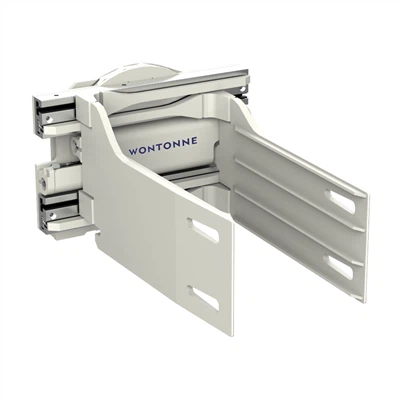
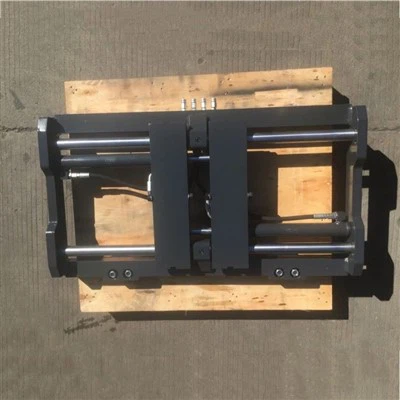
First off, let's talk about what fork positioners are. In a nutshell, they're hydraulic attachments that allow you to adjust the distance between the forks of a forklift without having to manually reposition them. This can save a ton of time and effort, especially when you're dealing with different-sized pallets or loads.
Now, let's get into the nitty-gritty of how fork positioners can impact the lifespan of your forklift.
Positive Impacts on Forklift Lifespan
Reduced Wear and Tear on Forks
One of the biggest benefits of using fork positioners is that they can significantly reduce the wear and tear on your forklift's forks. When you manually adjust the forks, you're often putting a lot of stress on them, which can lead to bending, cracking, or other damage over time. With a fork positioner, the hydraulic system does the work for you, so the forks are subjected to less force and are less likely to get damaged.
For example, let's say you're working in a warehouse where you have to handle a variety of pallet sizes. Without a fork positioner, you'd have to constantly adjust the forks by hand, which could cause them to wear out quickly. But with a H Series fork Positioners, you can easily adjust the forks to the perfect width for each pallet, reducing the stress on the forks and extending their lifespan.
Improved Load Handling
Another way that fork positioners can benefit your forklift is by improving load handling. When you're able to quickly and easily adjust the forks to the right width, you can ensure that the load is centered and balanced on the forks. This reduces the risk of the load shifting or tipping during transport, which can put a lot of stress on the forklift's mast, hydraulic system, and other components.
For instance, if you're using a forklift to move heavy pallets of bricks, a fork positioner can help you position the forks precisely so that the load is evenly distributed. This not only makes the forklift more stable and easier to operate but also reduces the wear and tear on the forklift's components, ultimately extending its lifespan.
Less Operator Fatigue
Let's face it, manually adjusting the forks of a forklift can be a real pain in the neck. It's time-consuming, physically demanding, and can lead to operator fatigue. When operators are tired, they're more likely to make mistakes, which can increase the risk of accidents and damage to the forklift.
By using a fork positioner, operators can quickly and easily adjust the forks with the push of a button, which reduces their physical workload and allows them to focus on other important tasks. This not only improves productivity but also reduces the likelihood of operator error, which can help keep your forklift in good condition for longer.
Potential Negative Impacts (and How to Mitigate Them)
Increased Hydraulic System Stress
While fork positioners can offer many benefits, they also put additional stress on the forklift's hydraulic system. The hydraulic cylinders and hoses in the fork positioner need to be able to handle the pressure required to move the forks, and this can put a strain on the system over time.
To mitigate this risk, it's important to choose a high-quality fork positioner that is designed to work with your specific forklift model. Make sure to follow the manufacturer's recommendations for maintenance and inspection of the hydraulic system, and replace any worn or damaged components as soon as possible.
For example, our FPD30E Series Fork Positioners are built with high-quality hydraulic components that are designed to withstand the rigors of daily use. By using a reliable fork positioner like this, you can minimize the stress on your forklift's hydraulic system and help ensure its long-term reliability.
Added Weight
Fork positioners add some extra weight to the forklift, which can affect its performance and handling. The additional weight can put more strain on the forklift's tires, brakes, and suspension, and it can also reduce the forklift's lifting capacity.


To address this issue, it's important to choose a fork positioner that is the right size and weight for your forklift. Make sure to consult with the manufacturer or a forklift expert to determine the maximum weight capacity of your forklift and choose a fork positioner that falls within that limit.
For instance, if you have a small forklift with a limited lifting capacity, you might want to consider a lightweight E Series fork Positioners. This will help minimize the impact of the added weight on your forklift's performance and ensure that it can still operate safely and efficiently.
Maintenance and Care
To get the most out of your fork positioner and ensure the long-term health of your forklift, it's important to follow a regular maintenance and care schedule. Here are some tips to keep in mind:
- Inspect the Fork Positioner Regularly: Check the fork positioner for any signs of damage, such as leaks, cracks, or loose bolts. Make sure to inspect the hydraulic hoses and connections for wear and tear, and replace any damaged components immediately.
- Lubricate Moving Parts: Keep the moving parts of the fork positioner well-lubricated to reduce friction and wear. This will help ensure smooth operation and prevent premature failure of the components.
- Clean the Fork Positioner: Regularly clean the fork positioner to remove dirt, debris, and other contaminants. This will help prevent corrosion and damage to the components and ensure that the fork positioner operates at its best.
- Follow the Manufacturer's Recommendations: Make sure to follow the manufacturer's recommendations for maintenance and care of the fork positioner. This includes things like changing the hydraulic fluid, replacing the filters, and performing regular inspections.
Conclusion
In conclusion, fork positioners can have a significant impact on the overall lifespan of a forklift. When used correctly and maintained properly, they can reduce wear and tear on the forks, improve load handling, and reduce operator fatigue, all of which can help extend the life of your forklift.
However, it's important to be aware of the potential negative impacts of fork positioners, such as increased hydraulic system stress and added weight, and take steps to mitigate these risks. By choosing a high-quality fork positioner, following a regular maintenance and care schedule, and consulting with a forklift expert when needed, you can ensure that your fork positioner and forklift work together seamlessly for many years to come.
If you're interested in learning more about our fork positioners or have any questions about how they can benefit your forklift, please don't hesitate to reach out. We'd be happy to help you find the right fork positioner for your needs and provide you with all the information you need to make an informed decision. Let's start a conversation and see how we can work together to improve your forklift operations and extend the lifespan of your equipment.
References
- Forklift Operator's Manuals
- Hydraulic Attachment Manufacturer's Guides
- Industry Research on Forklift Maintenance and Lifespan