Hey there! I'm a supplier of Turnafork Attachments, and I often get asked about how to adjust the pressure of the hydraulic system in these attachments. So, I thought I'd write this blog to share some tips and insights on the topic.

First off, let's understand why adjusting the hydraulic system pressure is so important. The pressure in the hydraulic system of a Turnafork Attachment determines how effectively the attachment can perform its tasks. Whether it's lifting, clamping, or moving heavy loads, the right pressure ensures smooth operation, prevents damage to the attachment and the forklift, and most importantly, keeps the operator safe.
Tools You'll Need
Before you start adjusting the pressure, you'll need a few tools. A pressure gauge is a must - have. This will help you accurately measure the current pressure in the hydraulic system. You'll also need a set of wrenches to make the necessary adjustments. Make sure you have the right size wrenches for your specific Turnafork Attachment.
Step - by - Step Guide to Adjusting Pressure
Step 1: Safety First
Safety should always be your top priority. Before you start working on the hydraulic system, make sure the forklift is turned off and the engine is cool. Put on safety glasses and gloves to protect yourself from any potential hydraulic fluid leaks or other hazards.
Step 2: Locate the Pressure Adjustment Valve
The pressure adjustment valve is usually located near the hydraulic pump or on the control block of the Turnafork Attachment. It might be covered by a protective cap, so you'll need to remove it to access the valve.
Step 3: Connect the Pressure Gauge
Once you've located the pressure adjustment valve, connect the pressure gauge to the appropriate port on the hydraulic system. Make sure the connection is tight to prevent any fluid leaks.
Step 4: Start the Forklift
Now, start the forklift and let it run for a few minutes to warm up the hydraulic fluid. This will ensure that you get an accurate pressure reading.
Step 5: Take an Initial Pressure Reading
With the forklift running and the hydraulic system operating, take an initial pressure reading using the pressure gauge. This will give you a baseline to work from.
Step 6: Adjust the Pressure
To increase the pressure, use the wrench to turn the adjustment valve clockwise. To decrease the pressure, turn the valve counter - clockwise. Make small adjustments at a time and re - check the pressure using the gauge after each adjustment. It's important not to make large adjustments all at once, as this can cause damage to the hydraulic system.
Step 7: Test the Attachment
Once you've made the necessary pressure adjustments, test the Turnafork Attachment to see how it performs. Try lifting, clamping, or moving a load to make sure the attachment is operating smoothly and effectively.
Common Issues and Troubleshooting
Sometimes, you might run into some issues when adjusting the pressure of the hydraulic system. Here are a few common problems and how to fix them:
Problem: Pressure is Too High
If the pressure is too high, it can cause excessive wear and tear on the hydraulic components, and it can also be dangerous. To fix this, simply turn the adjustment valve counter - clockwise in small increments until the pressure reaches the appropriate level.
Problem: Pressure is Too Low
If the pressure is too low, the Turnafork Attachment might not be able to perform its tasks properly. To increase the pressure, turn the adjustment valve clockwise in small steps until the pressure is correct.
Problem: Leaking Hydraulic Fluid
If you notice hydraulic fluid leaking from the pressure adjustment valve or any other part of the hydraulic system, stop the forklift immediately. Check the connections to make sure they are tight. If the leak persists, you might need to replace a seal or other component.
Different Types of Turnafork Attachments and Pressure Adjustment
We offer a variety of Turnafork Attachments, each with its own specific pressure requirements. For example, the PBS50G - Bale Clamp is designed for handling bales, and it might require a different pressure setting compared to a Forklift Block Clamp.
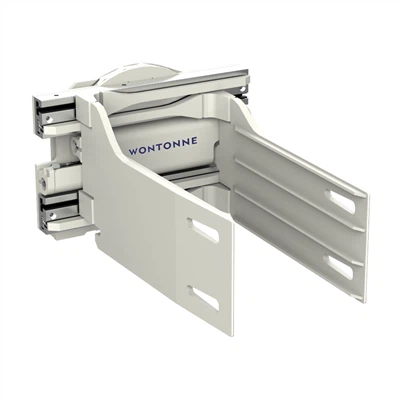
The Forklift Bale Clamp – Rugged, Reliable Solution For Moving Compressed Bales in Various Industries is built to handle heavy - duty bale moving tasks. When adjusting the pressure for this type of attachment, you need to make sure the pressure is high enough to securely grip the bales but not so high that it damages them.
Importance of Regular Maintenance
Adjusting the pressure of the hydraulic system is just one part of maintaining your Turnafork Attachment. Regular maintenance is crucial to ensure the long - term performance and reliability of the attachment. This includes checking the hydraulic fluid level, inspecting hoses and connections for leaks, and replacing any worn - out components.
Conclusion
Adjusting the pressure of the hydraulic system in a Turnafork Attachment might seem a bit daunting at first, but with the right tools and a step - by - step approach, it's a task that you can handle. Remember to always prioritize safety, make small adjustments, and test the attachment after each adjustment.
If you're in the market for a high - quality Turnafork Attachment or need more information on pressure adjustment and maintenance, don't hesitate to reach out. We're here to help you find the right attachment for your needs and ensure that it operates at its best.
References
- Hydraulic Systems Handbook for Forklift Attachments
- Manufacturer's Manual for Turnafork Attachments