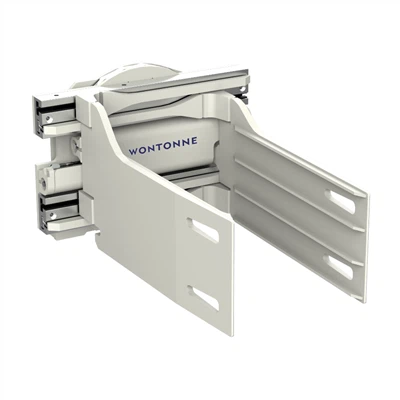
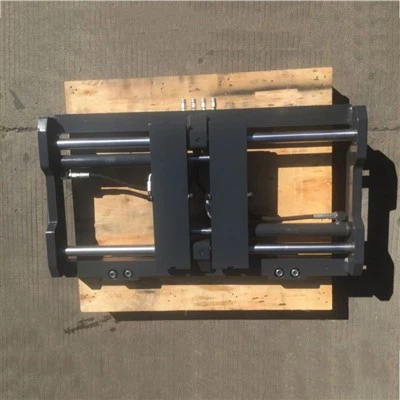
Fork positioners are essential tools in material handling operations, allowing for quick and efficient adjustment of fork spacing to accommodate different loads. As a supplier of high - quality fork positioners, including the E Series fork Positioners, G Series fork Positioners, and FPD30E Series Fork Positioners, I understand the importance of proper cleaning and maintenance to ensure their optimal performance and longevity. In this blog post, I'll share some effective cleaning methods and best practices for fork positioners.
Pre - cleaning Inspection
Before you start cleaning your fork positioners, it's crucial to conduct a thorough inspection. This helps you identify any existing damage, wear, or potential issues that may need attention. Check for signs of hydraulic fluid leaks, loose bolts, damaged forks, or any debris that could interfere with the normal operation of the positioner. Inspect the hydraulic hoses for cracks or abrasions, and make sure all connections are tight. This pre - cleaning inspection can prevent further damage during the cleaning process and ensure that the fork positioner is safe to use.
Gather the Necessary Cleaning Supplies
To clean your fork positioners effectively, you'll need a few basic supplies. These include a mild detergent or a specialized industrial cleaner, a stiff - bristled brush, a pressure washer (if available), a clean cloth or sponge, and a lubricant for the moving parts. Make sure to choose a cleaner that is suitable for the materials used in the fork positioner, such as steel and hydraulic components. Avoid using harsh chemicals that could damage the finish or the internal components of the positioner.
Cleaning the Exterior
The exterior of the fork positioner is exposed to dirt, dust, and other contaminants during normal use. Start by using a stiff - bristled brush to remove any loose debris, such as dirt, leaves, or small pieces of wood. Pay special attention to the areas around the forks, the hydraulic cylinders, and the mounting brackets. Once you've removed the loose debris, mix a mild detergent with water in a bucket. Dip a clean cloth or sponge into the soapy water and gently scrub the exterior of the fork positioner. Make sure to cover all surfaces, including the sides, the top, and the bottom. Rinse the positioner thoroughly with clean water to remove any soap residue. If you have a pressure washer, you can use it on a low - pressure setting to clean hard - to - reach areas more effectively. However, be careful not to use too much pressure, as this could damage the hydraulic hoses or other components.
Cleaning the Forks
The forks of the positioner are in direct contact with the loads, so they can accumulate a significant amount of dirt, grease, and other residues. Use a stiff - bristled brush to remove any stubborn debris from the forks. You may need to apply some extra pressure to clean the areas where the forks come into contact with the pallets or other loads. After brushing, soak the forks in a solution of mild detergent and water for a few minutes to loosen any remaining grease or grime. Then, scrub the forks again with the brush and rinse them thoroughly with clean water. Make sure to dry the forks completely to prevent rusting.
Cleaning the Hydraulic Components
The hydraulic system is the heart of the fork positioner, and it's essential to keep it clean and well - maintained. Start by inspecting the hydraulic fluid level. If the fluid is dirty or low, it may need to be changed according to the manufacturer's recommendations. To clean the exterior of the hydraulic cylinders and hoses, use a clean cloth or sponge dipped in the mild detergent solution. Gently wipe the cylinders and hoses to remove any dirt or oil stains. Be careful not to get any water inside the hydraulic system, as this could cause corrosion and damage to the internal components. If you notice any signs of hydraulic fluid leakage, it's important to address the issue immediately.
Lubricating the Moving Parts
After cleaning the fork positioner, it's important to lubricate the moving parts to ensure smooth operation. Apply a suitable lubricant to the pivot points, the slide rails, and any other areas where there is friction. This helps reduce wear and tear on the components and extends the lifespan of the fork positioner. Make sure to use a lubricant that is compatible with the materials used in the positioner and the hydraulic fluid. Follow the manufacturer's recommendations for the type and frequency of lubrication.


Drying and Final Inspection
Once you've completed the cleaning and lubrication process, dry the fork positioner thoroughly. Use a clean cloth to wipe away any remaining moisture, especially in the areas where water could collect, such as the bottom of the forks and the hydraulic cylinders. After drying, conduct a final inspection to make sure that all components are clean, properly lubricated, and in good working condition. Check for any signs of damage or wear that may have been overlooked during the pre - cleaning inspection.
Regular Cleaning Schedule
To keep your fork positioners in optimal condition, it's important to establish a regular cleaning schedule. The frequency of cleaning depends on the usage and the environment in which the positioner is used. In a dirty or dusty environment, it may be necessary to clean the fork positioner more frequently, such as once a week or once a month. In a cleaner environment, a quarterly cleaning may be sufficient. Regular cleaning not only extends the lifespan of the fork positioner but also improves its performance and reduces the risk of breakdowns.
Conclusion
Proper cleaning and maintenance of fork positioners are essential for their reliable operation and long - term performance. By following the steps outlined in this blog post, you can keep your fork positioners clean, well - lubricated, and in good working condition. As a supplier of E Series fork Positioners, G Series fork Positioners, and FPD30E Series Fork Positioners, I'm committed to providing high - quality products and valuable advice to our customers. If you're interested in purchasing fork positioners or need more information about their maintenance, please don't hesitate to contact us for further discussion and potential procurement opportunities.
References
- Manufacturer's manuals for fork positioners
- Industrial cleaning best practices guides