Determining the right clamping force for your project is a crucial step that can significantly impact the success and safety of your operations. As a clamps supplier, I've encountered numerous customers facing challenges in this area. In this blog, I'll share some insights on how to accurately determine the appropriate clamping force for your specific project.
Understanding the Basics of Clamping Force
Clamping force refers to the amount of pressure applied by a clamp to hold an object securely in place. It is measured in units such as pounds or newtons. The right clamping force ensures that the workpiece remains stable during machining, assembly, or other operations, preventing movement or vibration that could lead to inaccurate results or even damage to the workpiece or equipment.
Several factors influence the required clamping force, including the size and shape of the workpiece, the material it's made of, the type of operation being performed, and the environmental conditions. Let's take a closer look at each of these factors.
Workpiece Size and Shape
The size and shape of the workpiece play a significant role in determining the clamping force. Larger workpieces generally require more clamping force to hold them securely, as they have a greater surface area and may be more prone to movement. Irregularly shaped workpieces may also require additional clamping force to ensure that all parts of the workpiece are held firmly in place.


For example, if you're working with a large, flat sheet of metal, you'll need to apply sufficient clamping force to prevent it from warping or shifting during cutting or bending operations. On the other hand, if you're clamping a small, cylindrical workpiece, you may be able to use less clamping force, as the smaller surface area requires less pressure to hold it in place.
Workpiece Material
The material of the workpiece is another important factor to consider. Different materials have different properties, such as hardness, strength, and elasticity, which can affect the amount of clamping force required.
Hard materials, such as steel or cast iron, generally require more clamping force than softer materials, such as aluminum or plastic. This is because hard materials are more resistant to deformation and require more pressure to hold them securely. Elastic materials, such as rubber or foam, may require a different approach to clamping, as they can deform easily under pressure.
Type of Operation
The type of operation being performed on the workpiece also influences the required clamping force. Operations that involve high levels of force, such as machining or welding, generally require more clamping force than operations that involve less force, such as assembly or inspection.
For example, if you're using a milling machine to cut a workpiece, you'll need to apply sufficient clamping force to prevent the workpiece from moving or vibrating during the cutting process. This will ensure that the cutting tool can accurately remove material from the workpiece and produce a smooth, precise finish.
Environmental Conditions
The environmental conditions in which the clamping operation is taking place can also affect the required clamping force. Factors such as temperature, humidity, and vibration can all impact the performance of the clamp and the workpiece.
In high-temperature environments, for example, the material of the workpiece may expand, which can increase the risk of movement or deformation. In such cases, you may need to apply more clamping force to compensate for the expansion. Similarly, in humid environments, the material of the workpiece may absorb moisture, which can also affect its properties and require adjustments to the clamping force.
Calculating the Right Clamping Force
Once you've considered all the factors that influence the required clamping force, you can use a variety of methods to calculate the appropriate force for your project. Here are some common approaches:
Rule of Thumb
One of the simplest methods for determining the clamping force is to use a rule of thumb. This involves estimating the required clamping force based on the size and type of the workpiece and the operation being performed.
For example, a common rule of thumb for machining operations is to apply a clamping force of 2 to 3 times the cutting force. This ensures that the workpiece remains stable during the cutting process and prevents it from moving or vibrating.
Engineering Calculations
For more complex projects, you may need to use engineering calculations to determine the exact clamping force required. This involves considering the specific properties of the workpiece, the clamp, and the operation being performed, and using mathematical formulas to calculate the force.
There are several engineering calculations that can be used to determine the clamping force, including the following:
- Static Friction Calculation: This calculation is based on the principle of static friction, which states that the force required to prevent an object from moving is equal to the coefficient of static friction between the object and the surface it's resting on multiplied by the normal force acting on the object.
- Torque Calculation: This calculation is based on the principle of torque, which states that the force required to rotate an object is equal to the torque applied to the object divided by the radius of the object.
- Finite Element Analysis (FEA): This is a more advanced method that uses computer software to simulate the behavior of the workpiece and the clamp under different conditions. FEA can provide a more accurate and detailed analysis of the clamping force required for a specific project.
Testing and Experimentation
In some cases, the best way to determine the right clamping force for your project is to conduct testing and experimentation. This involves using different clamping forces and observing the results to see which force provides the best performance.
For example, you can start by applying a relatively low clamping force and gradually increasing it until the workpiece remains stable during the operation. You can then record the clamping force and use it as a reference for future projects.
Choosing the Right Clamp
Once you've determined the right clamping force for your project, the next step is to choose the right clamp. There are many different types of clamps available, each with its own unique features and benefits. Here are some factors to consider when choosing a clamp:
Clamping Capacity
The clamping capacity of the clamp refers to the maximum amount of force that the clamp can apply. It's important to choose a clamp with a clamping capacity that is greater than the required clamping force for your project. This will ensure that the clamp can hold the workpiece securely and prevent it from moving or vibrating.
Clamping Style
There are several different clamping styles available, including screw clamps, hydraulic clamps, pneumatic clamps, and magnetic clamps. Each clamping style has its own advantages and disadvantages, and the choice of clamping style will depend on the specific requirements of your project.
For example, screw clamps are simple and easy to use, but they may not be suitable for applications that require high levels of clamping force. Hydraulic clamps, on the other hand, can provide high levels of clamping force and are often used in industrial applications.
Size and Shape
The size and shape of the clamp should be compatible with the size and shape of the workpiece. It's important to choose a clamp that can be easily positioned and adjusted to hold the workpiece securely.
For example, if you're working with a small, cylindrical workpiece, you may want to choose a clamp with a small, circular clamping surface. If you're working with a large, flat workpiece, you may want to choose a clamp with a large, flat clamping surface.
Durability and Reliability
The durability and reliability of the clamp are also important factors to consider. You'll want to choose a clamp that is made of high-quality materials and is designed to withstand the rigors of your project.
Look for clamps that have a good reputation for durability and reliability, and that come with a warranty or guarantee. This will give you peace of mind knowing that your clamp will perform well and last for a long time.
Our Clamp Products
As a clamps supplier, we offer a wide range of high-quality clamps to meet the needs of various projects. Here are some of our popular products:
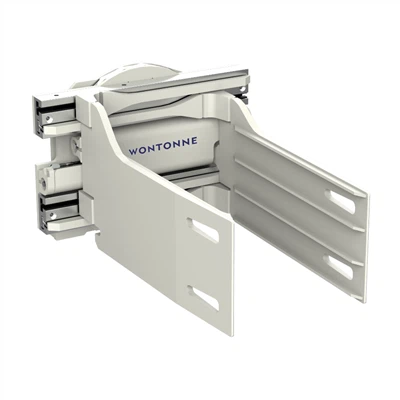
- BCR20E - Bale Clamp: This bale clamp is designed for handling bales of various materials, such as hay, straw, and cotton. It features a high clamping force and a durable construction, making it suitable for use in agricultural and industrial applications.
- Multi-Purpose Block Clamp – Forklift Attachment For Versatile Handling Of Blocks And Materials: This multi-purpose block clamp is a versatile forklift attachment that can be used for handling blocks, bricks, and other materials. It features a adjustable clamping force and a quick-release mechanism, making it easy to use and efficient.
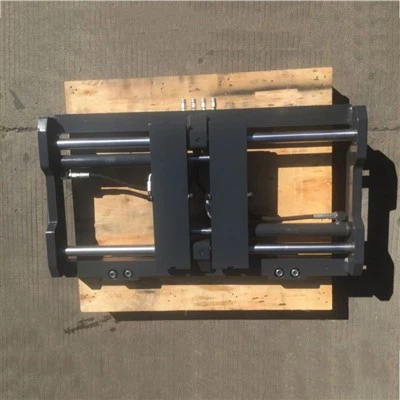
- CNS30D, No-Arm Clamps, Sideshifting Type: This no-arm clamp is a sideshifting type clamp that is designed for use in tight spaces. It features a high clamping force and a compact design, making it suitable for use in industrial applications.
Contact Us for Procurement
Determining the right clamping force for your project is a critical step that requires careful consideration of various factors. By understanding the basics of clamping force, calculating the appropriate force, and choosing the right clamp, you can ensure the success and safety of your operations.
If you're interested in learning more about our clamp products or need help determining the right clamping force for your project, please don't hesitate to contact us. Our team of experts is available to provide you with personalized advice and support. We look forward to working with you to meet your clamping needs.
References
- "Clamping Force Calculation and Application," Machining Handbook, 9th Edition.
- "Selection and Use of Clamps," Industrial Engineering Handbook, 4th Edition.
- "Clamping Technology: Principles and Applications," Manufacturing Engineering Magazine.