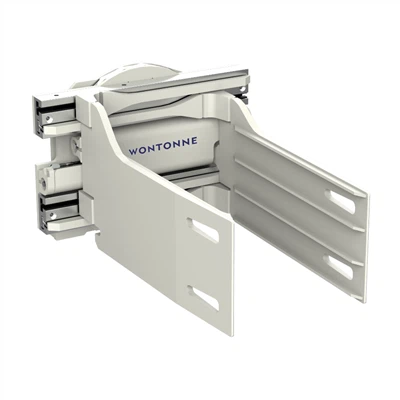
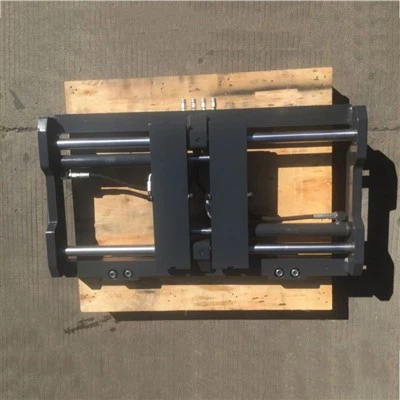
Hey there! As a supplier of Turnafork Attachments, I've seen firsthand how these tools can revolutionize material handling. But like any piece of equipment, their performance can always be optimized. In this blog, I'll share some tips and tricks on how to get the most out of your Turnafork Attachment.
Understanding Your Turnafork Attachment
First things first, it's crucial to understand the specific type of Turnafork Attachment you're using. There are various models available, each designed for different tasks and materials. For example, the CFR20D, Fork Clamps, Revolving Type is great for handling loads that need to be rotated, while the Sliding Arm Bar Clamp is ideal for gripping long and irregularly shaped objects. The Multi-Purpose Block Clamp – Forklift Attachment For Versatile Handling Of Blocks And Materials offers flexibility in handling different types of blocks and materials.
Take the time to read the user manual thoroughly. It contains valuable information about the attachment's capabilities, limitations, and recommended operating procedures. Knowing what your attachment can and can't do will help you use it safely and efficiently.
Regular Maintenance
One of the most important aspects of optimizing performance is regular maintenance. Just like a car needs oil changes and tune-ups, your Turnafork Attachment requires routine care to keep it in top shape.
- Inspect for Damage: Before each use, visually inspect the attachment for any signs of wear, cracks, or damage. Check the hydraulic hoses for leaks, the clamps for proper alignment, and the mounting points for tightness. If you notice any issues, address them immediately to prevent further damage and ensure safe operation.
- Lubrication: Proper lubrication is essential for smooth operation. Follow the manufacturer's recommendations for lubricating the moving parts, such as the pivot points and hinges. Using the right type of lubricant and applying it at the recommended intervals will reduce friction and wear, extending the lifespan of your attachment.
- Hydraulic System Check: The hydraulic system is the heart of your Turnafork Attachment. Regularly check the hydraulic fluid level and condition. If the fluid is low or dirty, it can cause poor performance and even damage the system. Replace the fluid as recommended by the manufacturer and keep an eye out for any signs of hydraulic leaks.
Operator Training
Even the best Turnafork Attachment won't perform well if it's not being used correctly. That's why operator training is so important. Make sure your operators are properly trained on how to use the attachment safely and efficiently.


- Familiarization: Train operators on the specific features and functions of the attachment. They should know how to operate the controls, adjust the clamps, and handle different types of loads. Provide hands-on training and allow operators to practice using the attachment in a controlled environment.
- Safety Procedures: Emphasize the importance of safety procedures. Operators should be aware of the attachment's weight capacity, load limits, and any safety features. They should also know how to properly secure the load and avoid overloading the attachment.
- Load Handling Techniques: Teach operators the proper load handling techniques. This includes positioning the attachment correctly, centering the load, and using the clamps to grip the load securely. Proper load handling will not only improve performance but also reduce the risk of accidents and damage to the attachment and the load.
Load Management
Proper load management is another key factor in optimizing the performance of your Turnafork Attachment. Here are some tips to keep in mind:
- Know the Load: Before picking up a load, make sure you know its weight, size, and shape. This will help you choose the right attachment and ensure that it can handle the load safely. If the load is too heavy or too large for the attachment, it can cause damage and affect performance.
- Balance the Load: When picking up a load, try to balance it evenly on the attachment. This will help prevent the load from shifting or tipping during transport. Use the clamps to grip the load securely and adjust the position of the attachment as needed to maintain balance.
- Avoid Overloading: Overloading the attachment is one of the most common causes of poor performance and damage. Always stay within the attachment's weight capacity and load limits. If you need to handle a heavier load, consider using a larger or more powerful attachment.
Matching the Attachment to the Task
Not all Turnafork Attachments are created equal. Each one is designed for a specific task or type of material. To optimize performance, it's important to choose the right attachment for the job.
- Task Analysis: Before selecting an attachment, analyze the task at hand. Consider the type of material you'll be handling, the size and weight of the loads, and the frequency of use. This will help you determine the features and capabilities you need in an attachment.
- Attachment Selection: Based on your task analysis, choose an attachment that is specifically designed for the job. Look for features such as adjustable clamps, rotating capabilities, and high weight capacity. Using the right attachment will not only improve performance but also make the job easier and safer.
- Customization: In some cases, you may need to customize the attachment to meet your specific needs. Many manufacturers offer customization options, such as different clamp sizes, mounting configurations, and additional features. Working with a supplier who can provide customized solutions will ensure that you get an attachment that is tailored to your requirements.
Upgrading and Modernizing
As technology advances, new and improved Turnafork Attachments are being developed. Upgrading or modernizing your existing attachment can significantly improve its performance and functionality.
- New Features: Look for attachments that offer new features and technologies, such as advanced hydraulic systems, improved clamping mechanisms, and enhanced safety features. These features can make your attachment more efficient, reliable, and user-friendly.
- Retrofitting: In some cases, you may be able to retrofit your existing attachment with new components or features. This can be a cost-effective way to upgrade your attachment without having to replace it entirely. Consult with your supplier to see if retrofitting is an option for your attachment.
- Training and Support: When upgrading or modernizing your attachment, make sure your operators are properly trained on how to use the new features and technologies. Your supplier should provide training and support to ensure a smooth transition and optimal performance.
Conclusion
Optimizing the performance of your Turnafork Attachment requires a combination of regular maintenance, operator training, proper load management, and the right attachment selection. By following these tips and tricks, you can get the most out of your attachment, improve productivity, and reduce downtime.
If you're interested in learning more about our Turnafork Attachments or have any questions about optimizing their performance, don't hesitate to reach out. We're here to help you find the right solution for your material handling needs. Contact us today to start a conversation about your requirements and explore how our attachments can benefit your business.
References
- Manufacturer's user manuals for Turnafork Attachments
- Industry best practices for material handling equipment maintenance and operation
- Research on load handling techniques and safety procedures