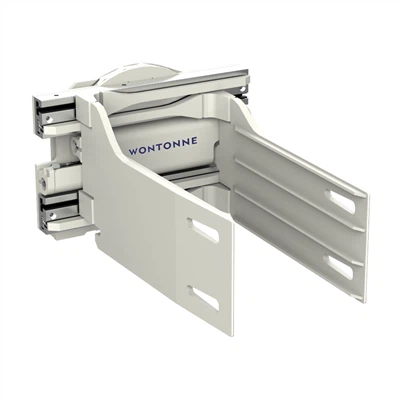
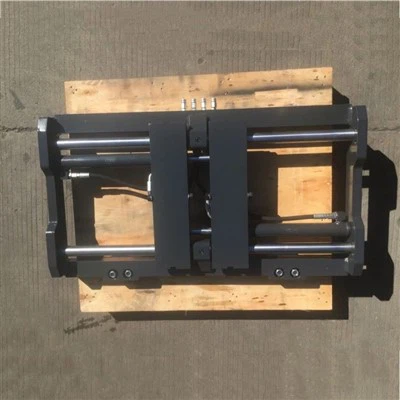
Storing tire attachments properly when they're not in use is crucial for their longevity, performance, and safety. As a tire attachment supplier, I've seen firsthand the impact that good and bad storage practices can have on these valuable tools. In this blog post, I'll share some insights on how to store tire attachments effectively, ensuring they remain in top - notch condition for future use.
Why Proper Storage Matters
Before delving into the storage methods, it's essential to understand why proper storage is so important. Tire attachments, such as Adjustable Sliding Arm Bale Clamp – Durable Forklift Solution For Non - Palletized Bale Transport, PTG10A Tyre Gripper, and Heavy - Duty Tyre Gripper – Forklift Accessory For Handling Automotive & Industrial Tires, are precision - engineered pieces of equipment. They are often made from high - quality materials and designed to withstand significant stress during operation.
Improper storage can lead to a variety of problems. For instance, exposure to the elements can cause rust and corrosion, which weakens the metal components and reduces the attachment's lifespan. Physical damage, such as dents or scratches, can also occur if the attachment is not stored in a safe and secure location. These damages can compromise the attachment's functionality and may even pose a safety risk when it is used again.
Cleaning the Attachment Before Storage
The first step in storing a tire attachment is to clean it thoroughly. Dirt, debris, and grease can accumulate on the attachment during use, and if left uncleaned, they can attract moisture and accelerate corrosion. Use a high - pressure water hose or a power washer to remove loose dirt and grime from the surface of the attachment.
For stubborn grease and oil stains, use a degreaser. Apply the degreaser to the affected areas and let it sit for a few minutes to break down the grease. Then, scrub the area with a stiff brush and rinse it off with water. Make sure to dry the attachment completely to prevent water from pooling and causing rust.
Lubrication
Once the attachment is clean and dry, it's time to lubricate the moving parts. Lubrication helps to prevent friction, wear, and corrosion. Use a high - quality lubricant recommended by the manufacturer. Apply the lubricant to all the pivot points, bearings, and other moving components.
Pay special attention to the hydraulic cylinders. If your tire attachment has hydraulic systems, make sure to check the hydraulic fluid level and top it up if necessary. Hydraulic fluid not only provides power for the operation of the attachment but also helps to lubricate and protect the internal components of the hydraulic system.
Choosing the Right Storage Location
The storage location plays a vital role in the preservation of your tire attachment. Ideally, you should store the attachment indoors in a dry, climate - controlled environment. A warehouse or a storage shed is a good option as it protects the attachment from the elements, such as rain, snow, and extreme temperatures.
If indoor storage is not available, you can store the attachment outdoors, but you need to take extra precautions. Use a waterproof cover to protect the attachment from rain and sunlight. Make sure the cover fits tightly and is secured properly to prevent it from being blown off by the wind.
The storage area should also be level and stable. Avoid storing the attachment on uneven ground or in an area where it can be easily knocked over. Additionally, keep the attachment away from any sources of heat, chemicals, or other potentially damaging substances.
Storage Orientation
The way you position the tire attachment during storage can also affect its condition. For attachments with heavy or bulky components, it's important to store them in a way that distributes the weight evenly and prevents any unnecessary stress on the structure.
If the attachment has hydraulic hoses, make sure they are properly supported and not kinked or twisted. Kinked hoses can restrict the flow of hydraulic fluid and may cause damage to the hydraulic system. You can use hose clamps or hangers to keep the hoses in place.
Regular Inspections
Even when the tire attachment is in storage, it's important to conduct regular inspections. Check for any signs of damage, such as rust, cracks, or loose parts. If you notice any issues, address them immediately to prevent further damage.

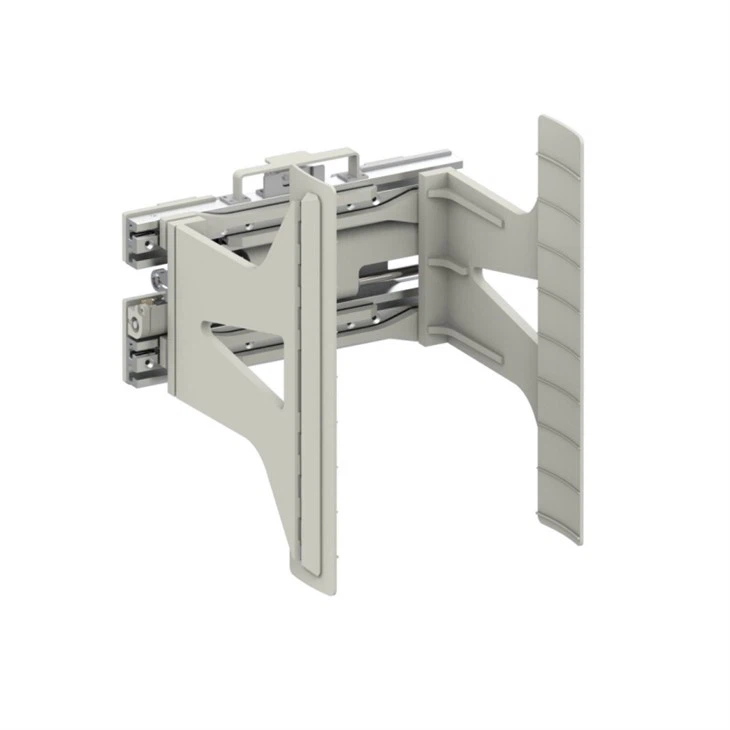
Inspect the lubrication levels and re - apply lubricant if necessary. Also, check the condition of the waterproof cover (if used) and replace it if it is damaged or worn out.
Documentation
Keep a record of the storage process, including the date of storage, cleaning, lubrication, and inspections. This documentation can be useful for maintenance planning and can also help you track the history of the attachment.
Conclusion
Proper storage of tire attachments is not just about keeping them safe when they're not in use; it's about ensuring their optimal performance and longevity. By following the steps outlined in this blog post, you can protect your tire attachments from damage and ensure they are ready for use whenever you need them.
If you're in the market for high - quality tire attachments or need more advice on their storage and maintenance, we're here to help. We offer a wide range of tire attachments, including the Adjustable Sliding Arm Bale Clamp – Durable Forklift Solution For Non - Palletized Bale Transport, PTG10A Tyre Gripper, and Heavy - Duty Tyre Gripper – Forklift Accessory For Handling Automotive & Industrial Tires. Contact us to discuss your specific requirements and start a procurement negotiation.
References
- "Industrial Equipment Maintenance Handbook"
- Manufacturer's manuals for tire attachments