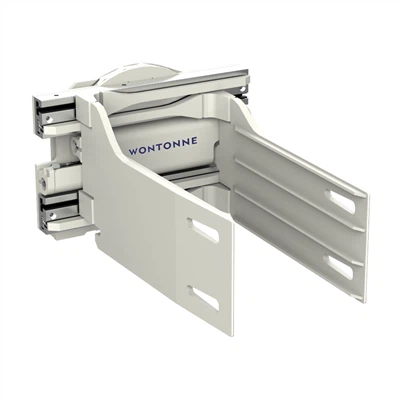
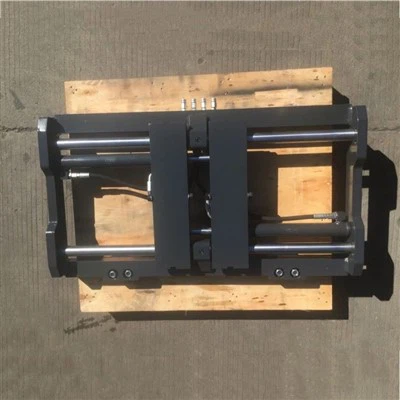
As a supplier of Turnafork Attachments, I understand the importance of proper storage for these valuable pieces of equipment. Turnafork Attachments are designed to enhance the functionality of forklifts, allowing them to handle a wide variety of loads with ease. Whether it's a bale clamp, a carton clamp, or any other type of attachment, ensuring they are stored correctly can significantly extend their lifespan and maintain their performance. In this blog post, I will share some insights on how to store Turnafork Attachments effectively.
Pre - Storage Inspection
Before storing any Turnafork Attachment, a thorough inspection is crucial. This inspection helps identify any existing issues that could worsen during storage. Start by checking the structural integrity of the attachment. Look for any signs of cracks, dents, or excessive wear on the frame, arms, and other components. For example, if you have a Bale Clamp - E Series - Side Shifting, examine the side - shifting mechanism for smooth operation and any signs of damage.
Next, inspect the hydraulic components. Check the hoses for leaks, cracks, or fraying. Ensure that the hydraulic cylinders are in good condition, with no signs of fluid leakage or rod damage. A damaged hydraulic system can lead to poor performance or even complete failure of the attachment when it is put back into use.
Also, examine the wear pads and other contact surfaces. These areas are prone to wear and tear during normal operation. If the wear pads are worn beyond the recommended limit, they should be replaced before storage. This not only helps in maintaining the attachment's performance but also prevents further damage to other parts.
Cleaning the Attachment
Cleaning the Turnafork Attachment before storage is essential. Dirt, debris, and other contaminants can cause corrosion and damage to the attachment over time. Start by removing any loose dirt and debris using a brush or compressed air. Pay special attention to hard - to - reach areas, such as the corners and crevices of the attachment.
For more stubborn dirt and grease, use a suitable cleaning agent. Make sure to follow the manufacturer's instructions when using cleaning agents to avoid damaging the attachment's finish. After cleaning, rinse the attachment thoroughly with clean water and dry it completely. Moisture left on the attachment can lead to rust and corrosion, so it's important to ensure that it is completely dry before storage.
Lubrication
Proper lubrication is another key aspect of storing Turnafork Attachments. Lubricating the moving parts helps prevent rust and corrosion and ensures smooth operation when the attachment is used again. Refer to the manufacturer's manual for the recommended lubricants and lubrication points.
For example, lubricate the pivot points, bushings, and bearings. Apply the lubricant evenly and in the correct amount. Over - lubrication can attract dirt and debris, while under - lubrication can lead to increased wear and friction.
Storage Location
The choice of storage location is vital for the long - term preservation of Turnafork Attachments. Ideally, the storage area should be dry, clean, and well - ventilated. A climate - controlled environment is even better, as it helps maintain a stable temperature and humidity level, reducing the risk of corrosion.
If possible, store the attachments indoors. An indoor storage facility protects the attachments from the elements, such as rain, snow, and direct sunlight. Sunlight can cause the paint to fade and deteriorate over time, while exposure to moisture can lead to rust and corrosion.
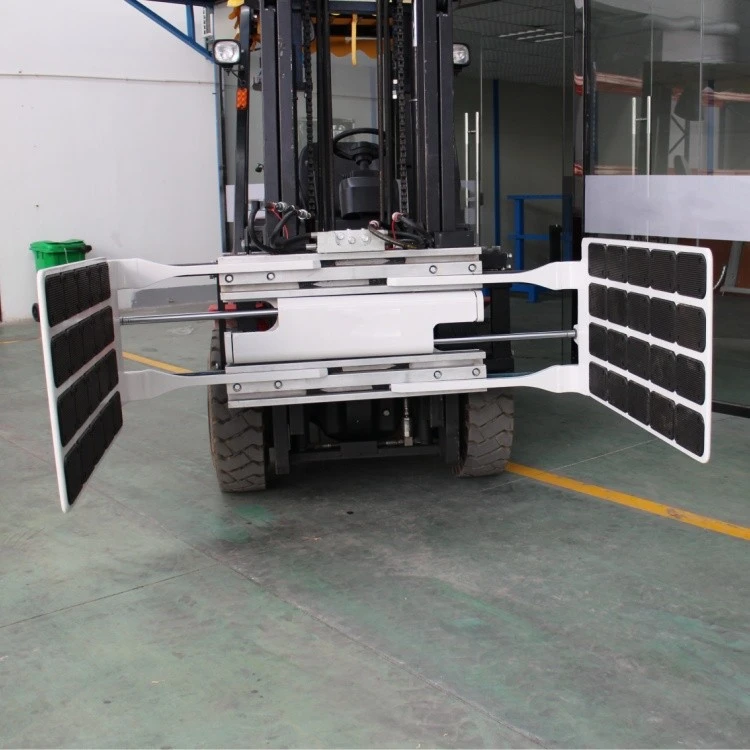

If indoor storage is not an option, outdoor storage can be used, but appropriate precautions must be taken. Cover the attachments with a waterproof and UV - resistant cover. Make sure the cover fits properly and is securely fastened to prevent it from being blown off by the wind.
Storage Position
The position in which the Turnafork Attachment is stored can also affect its condition. Most attachments should be stored in a horizontal position to prevent stress on the structural components. For example, a BCS30E - Bale Clamp should be placed on a flat and stable surface to avoid any bending or warping of the frame.
If the attachment has hydraulic cylinders, it's important to ensure that they are fully retracted. This helps prevent damage to the cylinders and seals during storage. Also, make sure that the attachment is not in contact with any sharp or hard objects that could cause scratches or dents.
Regular Checks During Storage
Even when the Turnafork Attachments are in storage, regular checks are necessary. Inspect the attachments at least once every few months to ensure that they are still in good condition. Check for any signs of rust, corrosion, or damage that may have occurred during storage.
If any issues are detected, address them immediately. For example, if you notice a small rust spot, clean it and apply a rust - inhibiting paint to prevent further corrosion. Regular checks also allow you to identify any potential problems early, reducing the risk of costly repairs or replacements in the future.
Documentation
Keep detailed documentation of the storage process. This includes records of the pre - storage inspection, cleaning, lubrication, and any repairs or replacements made. Documentation is important for several reasons. It helps in tracking the maintenance history of the attachment, which can be useful for warranty claims or when selling the attachment in the future.
Also, having a record of the storage process can help you identify any patterns or issues that may arise over time. For example, if you notice that a particular type of attachment always develops rust in a certain area during storage, you can take additional precautions to prevent it in the future.
Customized Storage Solutions
Depending on the type and size of the Turnafork Attachments, customized storage solutions may be required. For larger attachments, such as Tobacco Carton Clamps, you may need to build a specialized storage rack or platform to ensure proper support and stability.
These customized storage solutions can be designed to maximize the use of space while also protecting the attachments from damage. They can be made from materials such as steel or aluminum, depending on the weight and size of the attachments.
Conclusion
Proper storage of Turnafork Attachments is essential for maintaining their performance and extending their lifespan. By following the steps outlined in this blog post, including pre - storage inspection, cleaning, lubrication, choosing the right storage location and position, and conducting regular checks, you can ensure that your attachments are in good condition when they are needed again.
If you are in the market for high - quality Turnafork Attachments or need more information on storage and maintenance, we are here to help. Our team of experts can provide you with the best advice and products to meet your needs. Contact us today to start a discussion about your procurement requirements.
References
- Manufacturer's manuals for Turnafork Attachments
- Industry best practices for equipment storage and maintenance