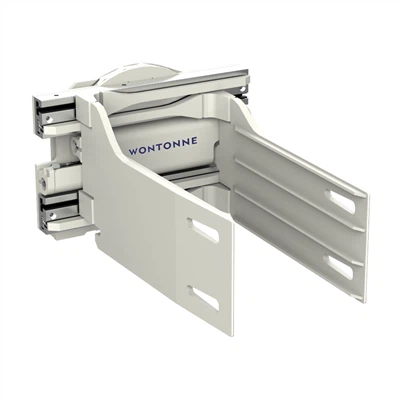
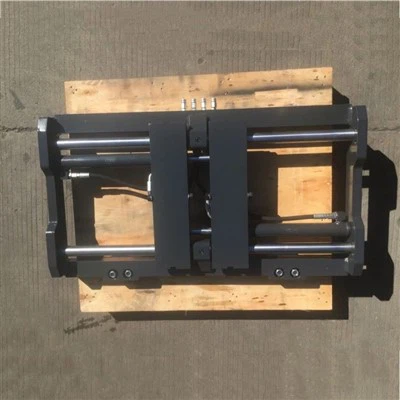
In the industrial landscape, the performance of equipment under various environmental conditions is a critical factor that directly impacts productivity and efficiency. No - Arm Clamps, a product line we are proud to supply, are often subjected to a wide range of operating environments, including high - temperature settings. Understanding how these clamps perform in such conditions is essential for industries that rely on them for material handling and other operations.


The Basics of No - Arm Clamps
No - Arm Clamps are specialized tools designed for gripping and holding objects securely. They are commonly used in forklift applications, among others, and come in different types such as the Forklift Block Clamp, Forklift Bale Clamp Attachment, and Turnaload Clamp. These clamps are engineered to provide a reliable and efficient solution for handling different materials, from blocks and bales to other irregularly shaped items.
The design of No - Arm Clamps typically involves a hydraulic system that powers the clamping action. The hydraulic cylinders generate the force required to grip the load firmly, ensuring stability during transportation and handling. The materials used in the construction of these clamps are carefully selected to withstand the rigors of industrial use, including exposure to high - temperature environments.
Effects of High - Temperature Environments on No - Arm Clamps
Hydraulic System Performance
One of the most significant aspects affected by high temperatures is the hydraulic system of No - Arm Clamps. Hydraulic fluids are sensitive to temperature changes. As the temperature rises, the viscosity of the hydraulic fluid decreases. This reduction in viscosity can lead to several problems.
Firstly, it may cause internal leakage within the hydraulic cylinders. When the fluid is less viscous, it can more easily seep past the seals and other internal components of the cylinders. This leakage not only reduces the efficiency of the clamping force but also leads to a loss of hydraulic power. As a result, the clamps may not be able to grip the load as firmly as required, increasing the risk of the load slipping during handling.
Secondly, high temperatures can accelerate the oxidation of hydraulic fluids. Oxidation produces sludge and varnish, which can clog the small passages and valves in the hydraulic system. This clogging restricts the flow of fluid, further reducing the performance of the hydraulic system. In severe cases, it can even cause the hydraulic system to fail completely, rendering the No - Arm Clamp inoperable.
Material Degradation
The materials used in the construction of No - Arm Clamps are also susceptible to high - temperature damage. For example, the rubber seals in the hydraulic system are made of elastomeric materials. High temperatures can cause these materials to harden, crack, or lose their elasticity. When the seals deteriorate, they are no longer able to prevent fluid leakage, which as mentioned earlier, affects the performance of the clamp.
The metal components of the clamps, such as the arms and frames, can also be affected. Prolonged exposure to high temperatures can cause thermal expansion, which may lead to dimensional changes in the components. These changes can disrupt the proper alignment of the clamps, affecting their ability to grip the load evenly. In addition, high temperatures can weaken the metal over time, reducing its strength and durability.
Performance Adaptations and Solutions
Hydraulic Fluid Selection
To mitigate the effects of high temperatures on the hydraulic system, selecting the right hydraulic fluid is crucial. There are specialized high - temperature hydraulic fluids available in the market. These fluids are formulated to maintain their viscosity over a wider temperature range, reducing the risk of internal leakage due to viscosity changes. They also have better oxidation resistance, which helps to prevent the formation of sludge and varnish in the hydraulic system.
Regular monitoring and maintenance of the hydraulic fluid are also essential. This includes checking the fluid level, temperature, and quality at regular intervals. If the fluid shows signs of degradation, it should be replaced promptly to ensure the continued performance of the hydraulic system.
Cooling Systems
Installing cooling systems can be an effective way to manage the temperature of the No - Arm Clamps in high - temperature environments. There are several types of cooling systems that can be used.
One option is a radiator - based cooling system. Similar to the cooling systems in automobiles, a radiator can be integrated into the hydraulic circuit of the No - Arm Clamp. As the hot hydraulic fluid passes through the radiator, it dissipates heat to the surrounding air, reducing its temperature before it re - enters the hydraulic system.
Another approach is the use of a water - cooling system. Water has a high heat capacity, making it an effective medium for heat transfer. A water - cooled heat exchanger can be installed in the hydraulic system to cool the fluid. This system circulates water around the hydraulic fluid, absorbing the heat and carrying it away.
Seal and Material Upgrades
Using high - temperature - resistant seals can significantly improve the performance of No - Arm Clamps in high - temperature environments. There are specialized rubber compounds available that are designed to withstand elevated temperatures without losing their elasticity or degrading. These seals can prevent fluid leakage and ensure the proper functioning of the hydraulic system.
For the metal components, heat - treated or high - strength alloys can be used. These materials have better resistance to thermal expansion and high - temperature weakening. By upgrading the materials used in the construction of the clamps, their durability and performance in high - temperature conditions can be enhanced.
Real - World Performance and Case Studies
In industries such as foundries and steel mills, No - Arm Clamps are often used in high - temperature environments. For example, in a foundry, these clamps are used to handle hot castings. Despite the challenges posed by the high temperatures, with the proper adaptations and maintenance, No - Arm Clamps can still perform effectively.
One case study involved a steel mill that was using No - Arm Clamps to handle hot steel billets. Initially, they faced issues with the hydraulic system due to high - temperature exposure. The clamps were experiencing frequent internal leakage, and the clamping force was inconsistent. After implementing a combination of solutions, including switching to high - temperature hydraulic fluid and upgrading the rubber seals, the performance of the clamps improved significantly. The internal leakage was reduced, and the clamping force became more reliable, leading to a more efficient material - handling process.
Conclusion
In conclusion, while high - temperature environments pose significant challenges to the performance of No - Arm Clamps, with the right strategies and adaptations, these clamps can still operate effectively. By carefully selecting hydraulic fluids, implementing cooling systems, and upgrading materials, the negative effects of high temperatures can be minimized.
As a supplier of No - Arm Clamps, we understand the importance of providing products that can perform reliably in various environments. Our team of experts is constantly researching and developing new solutions to enhance the performance of our clamps in high - temperature conditions. We are committed to helping our customers overcome the challenges associated with high - temperature operations and ensuring the smooth running of their industrial processes.
If you are interested in learning more about our No - Arm Clamps or discussing how they can be optimized for your high - temperature applications, we encourage you to reach out to us. Our sales team is ready to assist you with any questions you may have and to provide you with the best solutions for your material - handling needs.
References
- "Hydraulic Systems in High - Temperature Environments: Challenges and Solutions" - Industrial Hydraulics Journal
- "Material Degradation in High - Temperature Industrial Equipment" - Journal of Materials Science and Engineering
- Case studies from foundries and steel mills on the performance of No - Arm Clamps in high - temperature conditions.