

When it comes to navigating icy roads, the performance of vehicles can be severely compromised. As a tire attachment supplier, I have witnessed firsthand the crucial role that tire attachments play in enhancing vehicle safety and performance on such treacherous terrains. In this blog, I will delve into the performance of tire attachments on icy roads, exploring their mechanisms, benefits, and different types available in the market.
Understanding the Challenges of Icy Roads
Icy roads present a unique set of challenges for drivers. The low friction coefficient between the tires and the road surface significantly reduces traction, making it difficult to accelerate, brake, and steer effectively. This lack of traction can lead to skidding, loss of control, and an increased risk of accidents. Additionally, ice can cause uneven tire wear and damage, further exacerbating the driving conditions.
How Tire Attachments Improve Performance on Icy Roads
Tire attachments are designed to address the challenges posed by icy roads by increasing traction and improving vehicle stability. They work by providing additional grip on the road surface, allowing the tires to maintain better contact and reducing the likelihood of skidding. Here are some of the key ways in which tire attachments enhance performance on icy roads:
1. Increased Traction
One of the primary functions of tire attachments is to increase traction on icy surfaces. They achieve this by providing additional points of contact with the road, which helps to distribute the vehicle's weight more evenly and improve grip. Some tire attachments, such as tire chains, feature metal links or studs that dig into the ice, providing a more secure foothold. Others, like tire socks, are made of high-friction materials that grip the road surface and enhance traction.
2. Improved Braking
Braking on icy roads can be extremely challenging, as the lack of traction can cause the tires to lock up and the vehicle to skid. Tire attachments can help to improve braking performance by increasing the friction between the tires and the road. This allows the vehicle to stop more quickly and safely, reducing the risk of collisions. For example, tire chains can provide additional braking force by digging into the ice, while tire socks can help to prevent the tires from slipping during braking.
3. Enhanced Steering Control
Steering on icy roads can be difficult, as the lack of traction can cause the vehicle to slide or drift. Tire attachments can help to improve steering control by providing more grip and stability. This allows the driver to maintain better control of the vehicle's direction and reduce the risk of accidents. For instance, tire chains can help to prevent the tires from slipping when turning, while tire socks can provide a more stable platform for steering.
4. Reduced Tire Wear
Icy roads can cause significant wear and tear on tires, as the constant slipping and sliding can damage the tread and sidewalls. Tire attachments can help to reduce tire wear by providing additional protection and support. They can also help to distribute the vehicle's weight more evenly, reducing the stress on the tires and extending their lifespan.
Types of Tire Attachments for Icy Roads
There are several types of tire attachments available in the market, each with its own unique features and benefits. Here are some of the most common types of tire attachments used on icy roads:
1. Tire Chains
Tire chains are one of the most popular types of tire attachments for icy roads. They consist of a series of metal links that are wrapped around the tires to provide additional traction. Tire chains are available in different sizes and styles, depending on the type of vehicle and the driving conditions. They are relatively easy to install and remove, making them a convenient option for drivers. However, tire chains can be noisy and can cause damage to the road surface if used on dry pavement.
2. Tire Socks
Tire socks are another type of tire attachment that is commonly used on icy roads. They are made of high-friction materials, such as polyester or nylon, and are designed to fit over the tires like a sock. Tire socks provide additional traction by gripping the road surface and reducing the likelihood of skidding. They are lightweight and easy to install, making them a popular choice for drivers who need a quick and convenient solution for icy roads. However, tire socks may not be as durable as tire chains and may need to be replaced more frequently.
3. Studded Tires
Studded tires are tires that have metal studs embedded in the tread. The studs provide additional traction on icy roads by digging into the ice and providing a more secure foothold. Studded tires are typically more expensive than regular tires, but they offer superior performance on icy roads. However, studded tires can cause damage to the road surface and are not legal in all areas.
4. PTT30D Tyre Clamp
The PTT30D Tyre Clamp is a specialized tire attachment that is designed to provide additional traction and stability on icy roads. It features a unique clamping mechanism that securely attaches to the tire, providing a more stable platform for driving. The PTT30D Tyre Clamp is made of high-quality materials and is designed to withstand the harsh conditions of icy roads. It is easy to install and remove, making it a convenient option for drivers.
5. Sliding Arm Type
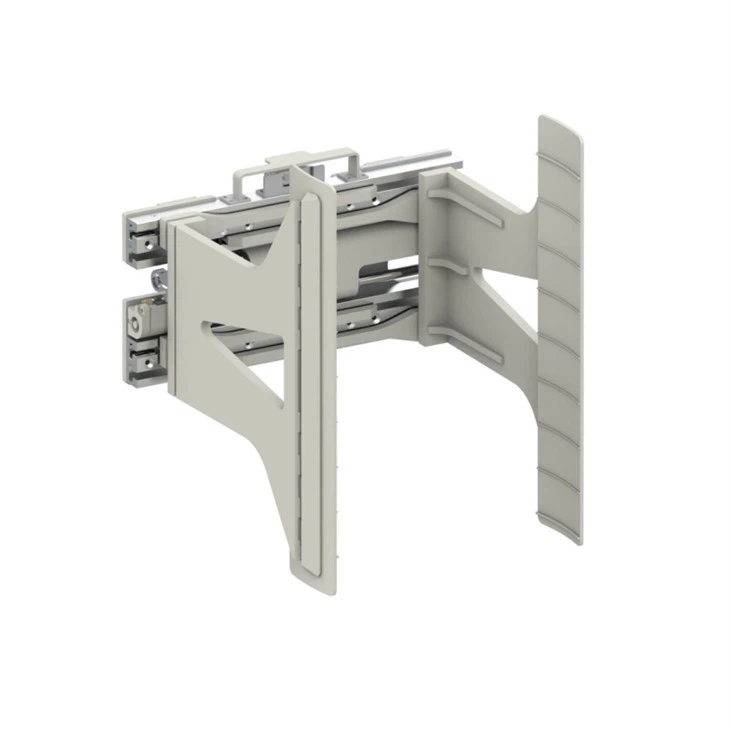
The Sliding Arm Type is another type of tire attachment that is commonly used on icy roads. It features a sliding arm mechanism that allows the attachment to adjust to different tire sizes and shapes. The Sliding Arm Type provides additional traction and stability by gripping the tire firmly and preventing it from slipping. It is made of high-quality materials and is designed to withstand the harsh conditions of icy roads. It is easy to install and remove, making it a convenient option for drivers.

6. PTS30D Sliding Arm Type
The PTS30D Sliding Arm Type is a specialized tire attachment that is designed to provide additional traction and stability on icy roads. It features a sliding arm mechanism that allows the attachment to adjust to different tire sizes and shapes. The PTS30D Sliding Arm Type provides additional traction and stability by gripping the tire firmly and preventing it from slipping. It is made of high-quality materials and is designed to withstand the harsh conditions of icy roads. It is easy to install and remove, making it a convenient option for drivers.
Choosing the Right Tire Attachment for Icy Roads
When choosing a tire attachment for icy roads, it is important to consider several factors, including the type of vehicle, the driving conditions, and the level of traction required. Here are some tips to help you choose the right tire attachment for your needs:
1. Consider the Type of Vehicle
Different types of vehicles require different types of tire attachments. For example, passenger cars may require a different type of tire attachment than trucks or SUVs. It is important to choose a tire attachment that is compatible with your vehicle's make and model.
2. Evaluate the Driving Conditions
The driving conditions on icy roads can vary depending on the location and the time of year. Some areas may experience more severe ice and snow than others, while some roads may be more prone to icing than others. It is important to evaluate the driving conditions in your area and choose a tire attachment that is suitable for those conditions.
3. Determine the Level of Traction Required
The level of traction required on icy roads can vary depending on the type of driving you will be doing. If you will be driving on steep hills or in areas with heavy snow and ice, you may need a tire attachment that provides a higher level of traction. On the other hand, if you will be driving on flat roads or in areas with light snow and ice, you may be able to get by with a tire attachment that provides a lower level of traction.
4. Consider the Ease of Installation and Removal
Some tire attachments are easier to install and remove than others. If you will be using the tire attachment frequently, it is important to choose one that is easy to install and remove. This will save you time and hassle when you need to put on or take off the tire attachment.
5. Read Reviews and Compare Prices
Before purchasing a tire attachment, it is important to read reviews from other drivers and compare prices from different suppliers. This will help you to make an informed decision and choose a tire attachment that offers the best value for your money.
Conclusion
Tire attachments play a crucial role in enhancing vehicle safety and performance on icy roads. They provide additional traction, improve braking and steering control, and reduce tire wear. There are several types of tire attachments available in the market, each with its own unique features and benefits. When choosing a tire attachment for icy roads, it is important to consider several factors, including the type of vehicle, the driving conditions, and the level of traction required. By choosing the right tire attachment, you can ensure that your vehicle is safe and reliable on icy roads.
If you are interested in learning more about our tire attachments or would like to discuss your specific needs, please feel free to contact us. We are a leading supplier of tire attachments and are committed to providing our customers with the highest quality products and services. Our team of experts is available to answer any questions you may have and to help you choose the right tire attachment for your vehicle.
References
- "Tire Chains: A Guide to Choosing and Using Them." Consumer Reports, 2023.
- "Tire Socks: How They Work and When to Use Them." AAA, 2023.
- "Studded Tires: Are They Worth the Cost?" Edmunds, 2023.





