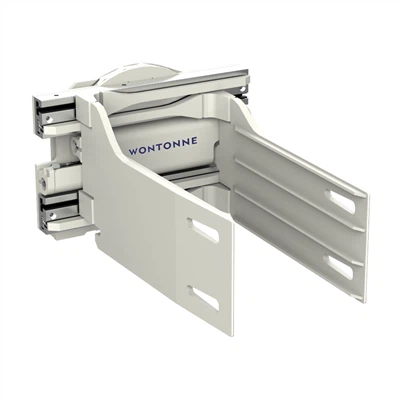
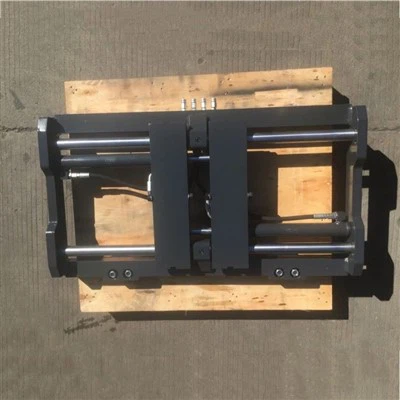
Forklift rotators are invaluable tools in various industries, enabling the efficient handling and rotation of loads. As a leading forklift rotator supplier, we understand the importance of being able to adjust the rotation speed according to different operational requirements. In this blog post, we will explore the methods and considerations for adjusting the rotation speed of a forklift rotator.
Understanding the Basics of Forklift Rotators
Before delving into the speed adjustment process, it's essential to have a basic understanding of how forklift rotators work. A forklift rotator is a hydraulic attachment that can be mounted on a forklift. It uses hydraulic power to rotate loads, providing flexibility in material handling operations. The rotation speed is primarily determined by the flow rate of the hydraulic fluid and the design of the rotator's hydraulic system.
Factors Affecting Rotation Speed
Several factors can influence the rotation speed of a forklift rotator. Firstly, the hydraulic pump capacity plays a crucial role. A pump with a higher flow rate can supply more hydraulic fluid to the rotator, resulting in a faster rotation speed. Secondly, the size and weight of the load being rotated also matter. Heavier and larger loads may require more power to rotate, which can slow down the rotation speed. Additionally, the condition of the hydraulic hoses, valves, and seals can affect the fluid flow and, consequently, the rotation speed.
Methods to Adjust the Rotation Speed
1. Hydraulic Flow Control Valves
One of the most common ways to adjust the rotation speed is by using hydraulic flow control valves. These valves are installed in the hydraulic circuit of the forklift rotator. By adjusting the valve, you can regulate the flow rate of the hydraulic fluid entering the rotator. A higher flow rate will increase the rotation speed, while a lower flow rate will slow it down.
Most modern forklift rotators come with adjustable flow control valves. To make the adjustment, you typically need to locate the valve on the hydraulic system. It may be a manual valve that you can turn with a wrench or a more advanced electronic valve that can be adjusted using a control panel. When making the adjustment, it's important to make small changes and test the rotation speed after each adjustment to ensure that you achieve the desired speed.
2. Hydraulic Pump Adjustment
In some cases, you may need to adjust the hydraulic pump itself to change the rotation speed. This method is more complex and usually requires professional knowledge and tools. However, if your forklift has a pump with adjustable settings, you can increase or decrease the pump's flow rate.
Before attempting to adjust the pump, it's crucial to refer to the forklift's user manual. The manual will provide specific instructions on how to access and adjust the pump settings. It's also important to note that improper pump adjustment can cause damage to the hydraulic system, so it's recommended to have a qualified technician perform this task.
3. Load Management
As mentioned earlier, the load size and weight can affect the rotation speed. If you find that the rotation speed is too slow when handling a particular load, you may consider reducing the load weight or size. For example, if you are rotating a large pallet of goods, you can split the pallet into smaller loads. This will reduce the amount of power required to rotate the load, allowing the rotator to operate at a faster speed.
Considerations When Adjusting the Rotation Speed
1. Safety First
Safety should always be the top priority when adjusting the rotation speed of a forklift rotator. Make sure that the forklift is parked on a stable surface and that the engine is turned off before making any adjustments to the hydraulic system. Wear appropriate safety gear, such as gloves and safety glasses, to protect yourself from potential hydraulic fluid leaks or other hazards.
2. Compatibility
When adjusting the rotation speed, ensure that the adjustment is compatible with the forklift's hydraulic system and the rotator itself. Some forklift models may have specific limitations on the flow rate and pressure that the hydraulic system can handle. Using a rotation speed that exceeds these limitations can cause damage to the equipment and pose a safety risk.
3. Testing and Calibration
After making any adjustments, it's important to test the rotation speed and calibrate it if necessary. You can do this by rotating a sample load and measuring the time it takes to complete a full rotation. Compare the measured speed with the desired speed and make further adjustments if needed.

Our Forklift Rotator Products
At our company, we offer a wide range of high - quality forklift rotators, including the G Series Hollow-out Rotator, the RRB70D D Series Rotator, Hollow-out Type, and the RRB20D D Series Rotator, Hollow-out Type. These rotators are designed with advanced hydraulic systems that allow for easy speed adjustment. They are also built to withstand heavy - duty use and provide reliable performance in various industrial environments.
Conclusion
Adjusting the rotation speed of a forklift rotator is an important skill that can improve the efficiency and productivity of your material handling operations. By understanding the factors that affect the rotation speed and using the appropriate adjustment methods, you can ensure that the rotator operates at the optimal speed for different loads. If you have any questions about adjusting the rotation speed of our forklift rotators or are interested in purchasing a rotator, please feel free to contact us for further discussion and procurement negotiation.
References
- Forklift Operator's Manuals
- Hydraulic System Technical Guides
- Industry Standards for Forklift Attachments