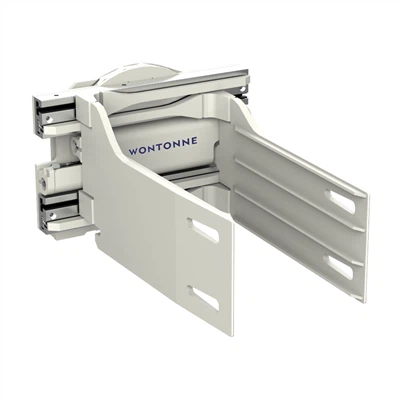
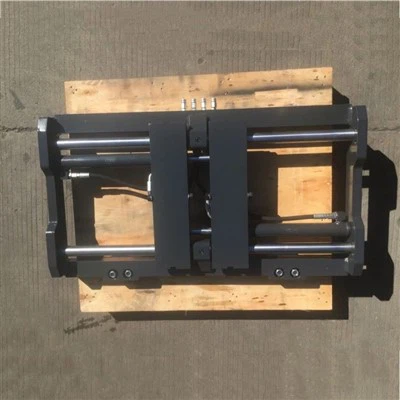
Determining the number of forklift bins required for a warehouse is a critical aspect of efficient warehouse management. As a forklift bin supplier, I understand the significance of this calculation in optimizing storage space, streamlining operations, and enhancing overall productivity. In this blog post, I will guide you through the process of calculating the number of forklift bins needed for your warehouse, taking into account various factors that influence this calculation.
Understanding Your Warehouse Requirements
Before diving into the calculations, it is essential to have a clear understanding of your warehouse requirements. This includes the type of goods you store, their dimensions, weight, and volume. Additionally, consider the frequency of access to these goods, the available storage space, and any specific handling requirements.
For instance, if you store bulky items such as large machinery parts, you will need larger forklift bins with higher weight capacities. On the other hand, if you deal with small, lightweight items like electronic components, smaller bins may be more suitable. Understanding these requirements will help you choose the right type of forklift bins for your warehouse.
Types of Forklift Bins
There are several types of forklift bins available in the market, each designed to meet specific storage and handling needs. Some common types include:
- Forklift Hook Bins: These bins are equipped with hooks that allow them to be easily attached to the forks of a forklift. They are ideal for transporting and storing heavy or bulky items. Forklift Hook Bins are available in various sizes and capacities to suit different applications.
- Drop Bottom Bins: Drop bottom bins feature a hinged bottom that can be opened to release the contents quickly. They are commonly used for applications where fast unloading is required, such as in recycling facilities or construction sites. Drop Bottom Bins come in different configurations and are available with or without lids.
- Forklift Waste Bins: As the name suggests, these bins are specifically designed for collecting and disposing of waste materials. They are often used in industrial settings, warehouses, and manufacturing plants. Forklift Waste Bins are available in different sizes and styles, including open-top and covered options.
Calculating the Number of Forklift Bins
Once you have determined the type of forklift bins that best suit your needs, the next step is to calculate the number of bins required. The following steps will guide you through the calculation process:
Step 1: Determine the Total Volume of Goods
The first step is to calculate the total volume of goods that need to be stored in the warehouse. This can be done by multiplying the length, width, and height of each item and then summing up the volumes of all the items. If you have a large number of items, you may need to group them by size and type to simplify the calculation.
For example, let's say you have 100 boxes of different sizes. You can group them into three categories: small boxes (20 cm x 20 cm x 20 cm), medium boxes (30 cm x 30 cm x 30 cm), and large boxes (40 cm x 40 cm x 40 cm). Calculate the volume of each category and then sum them up to get the total volume of goods.
Step 2: Consider the Bin Capacity
Next, you need to consider the capacity of the forklift bins you have chosen. The capacity of a bin is usually measured in cubic feet or cubic meters. Make sure to choose bins with a capacity that is suitable for the size and volume of your goods.


For instance, if you have determined that the total volume of goods is 100 cubic meters and you have chosen bins with a capacity of 5 cubic meters each, you will need 20 bins (100 cubic meters / 5 cubic meters per bin).
Step 3: Account for Storage Efficiency
In addition to the volume of goods and the bin capacity, you also need to account for storage efficiency. Storage efficiency refers to the percentage of the bin's capacity that can be effectively utilized. This is influenced by factors such as the shape of the goods, the way they are stacked, and the presence of any void spaces.
As a general rule, it is recommended to assume a storage efficiency of around 70% to 80%. This means that if you have chosen bins with a capacity of 5 cubic meters each, you can expect to effectively utilize only 3.5 to 4 cubic meters of each bin.
Using the previous example, if you assume a storage efficiency of 70%, you will need 29 bins (100 cubic meters / (5 cubic meters per bin x 0.7)).
Step 4: Factor in Future Growth
When calculating the number of forklift bins, it is also important to factor in future growth. Consider the expected increase in the volume of goods over the next few years and choose bins that can accommodate this growth. This will help you avoid the need for frequent bin replacements or expansions in the future.
Other Considerations
In addition to the above steps, there are several other factors that you need to consider when calculating the number of forklift bins needed for your warehouse:
- Available Storage Space: Make sure to consider the available storage space in your warehouse when choosing the size and number of bins. Ensure that there is enough room for the bins to be maneuvered by the forklift and that they do not obstruct the flow of traffic.
- Handling Requirements: Consider the handling requirements of your goods, such as the frequency of access, the need for special handling equipment, and the ease of loading and unloading. Choose bins that are designed to meet these requirements and that can be easily integrated into your existing warehouse operations.
- Budget: Finally, consider your budget when choosing the number and type of forklift bins. While it is important to invest in high-quality bins that meet your needs, you also need to ensure that they are within your budget. Compare the prices of different bins and suppliers to find the best value for your money.
Conclusion
Calculating the number of forklift bins needed for a warehouse is a complex process that requires careful consideration of various factors. By following the steps outlined in this blog post and taking into account the specific requirements of your warehouse, you can make an informed decision and choose the right number and type of bins for your needs.
As a forklift bin supplier, I am committed to providing high-quality bins that are designed to meet the diverse needs of our customers. If you have any questions or need further assistance in calculating the number of forklift bins for your warehouse, please do not hesitate to contact us. We would be happy to help you find the best solution for your storage and handling needs.