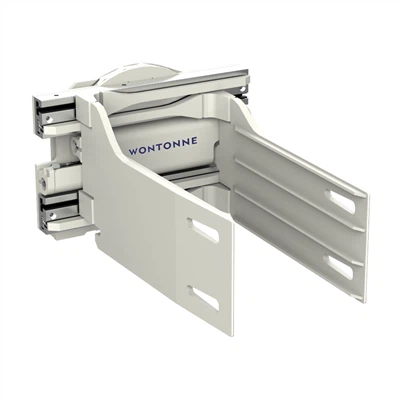
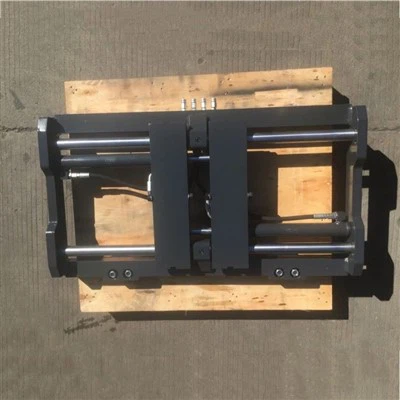
As a professional forklift cage supplier, we understand the critical importance of ensuring the stability of forklift cages during operation. A stable forklift cage not only enhances work efficiency but also significantly reduces the risk of accidents, ensuring the safety of operators and the protection of goods. In this blog, we will share some key strategies and considerations that can help you maintain the stability of your forklift cage.
Understanding the Basics of Forklift Cage Stability
Before delving into the methods of ensuring stability, it's essential to understand the factors that affect it. The stability of a forklift cage is primarily determined by its design, the load it carries, and the operating environment.
The design of the forklift cage plays a crucial role. A well - designed cage should have a low center of gravity, which makes it less likely to tip over. The frame structure should be robust and able to withstand the forces exerted during operation. Our Forklift Goods Cages are engineered with these principles in mind, featuring a sturdy construction and an optimized center of gravity to provide maximum stability.
The load carried by the cage also impacts its stability. Unevenly distributed loads can cause the cage to become unbalanced, increasing the risk of tipping. Additionally, overloading the cage beyond its rated capacity can compromise its stability. It is important to always follow the load capacity guidelines provided by the manufacturer.
The operating environment is another significant factor. Rough or uneven surfaces, slopes, and strong winds can all affect the stability of the forklift cage. Operators should be aware of these environmental conditions and take appropriate precautions.
Pre - operation Checks
Conducting thorough pre - operation checks is the first step in ensuring the stability of a forklift cage.
- Inspect the Cage Structure: Check for any signs of damage, such as cracks, bent bars, or loose welds. A damaged cage can weaken its structural integrity and lead to instability during operation.
- Verify Fork Attachment: Make sure that the cage is properly attached to the forklift forks. The attachment mechanisms should be secure and free from any defects. Incorrect attachment can cause the cage to shift or fall during lifting.
- Check Load Restraints: Ensure that the load is properly secured within the cage. Use appropriate straps, nets, or other restraining devices to prevent the load from moving or shifting during transit. This helps to keep the center of gravity stable.
Proper Loading and Unloading Techniques
Proper loading and unloading are essential for maintaining the stability of the forklift cage.
- Load Placement: When loading the cage, distribute the load evenly. Try to keep the center of the load aligned with the center of the cage. For larger or heavier loads, divide them into smaller, more manageable sections and place them symmetrically within the cage. This helps to prevent one side of the cage from becoming heavier than the other, which could lead to imbalance.
- Loading Sequence: If you are loading multiple items, start with the heavier and larger items at the bottom of the cage. This lowers the center of gravity and increases stability. Add lighter items on top in a way that maintains the overall balance of the load.
- Unloading: During unloading, follow the reverse sequence of loading. Remove the lighter items first and then gradually work your way down to the heavier ones. This helps to maintain the cage's balance throughout the unloading process.
Operator Training and Safety Procedures
Well - trained operators are essential for ensuring the stability of forklift cages.
- Training Programs: Provide comprehensive training to all forklift operators. Training should cover safety procedures, proper operating techniques, and the importance of cage stability. Operators should be familiar with the specific features and limitations of the forklift cages they are using.
- Safety Protocols: Establish strict safety protocols for operating forklift cages. This includes wearing appropriate personal protective equipment (PPE), such as helmets and safety harnesses when working at height. Operators should also be trained to handle emergency situations, such as sudden shifts in load or unexpected environmental conditions.
- Regular Refresher Courses: Conduct regular refresher courses to keep operators up - to - date with the latest safety standards and operating techniques. This helps to reinforce good practices and prevent complacency.
Maintenance and Inspection
Regular maintenance and inspection are crucial for keeping forklift cages in good working condition and ensuring their stability.
- Scheduled Maintenance: Develop a maintenance schedule for the forklift cages. This should include regular cleaning, lubrication of moving parts, and inspection of the cage structure. Regular maintenance helps to identify and address potential issues before they become major problems.
- Periodic Inspections: In addition to daily pre - operation checks, perform periodic inspections of the forklift cages. This can be done on a monthly or quarterly basis, depending on the frequency of use. During these inspections, check for wear and tear, corrosion, and any other signs of damage that could affect stability.
- Repair and Replacement: If any damage or wear is detected during inspection, repair or replace the affected parts immediately. Do not operate a forklift cage with known defects, as this can pose a serious safety risk.
Environmental Considerations
The operating environment can have a significant impact on the stability of forklift cages.
- Surface Conditions: When operating on rough or uneven surfaces, reduce the speed of the forklift to minimize the risk of the cage tipping. If possible, level the surface before using the forklift. Avoid operating on slopes that exceed the recommended limits for the forklift and cage combination.
- Weather Conditions: Be cautious when operating in windy conditions. Strong winds can exert lateral forces on the cage, increasing the risk of tipping. If the wind speed is too high, consider suspending operations until the conditions improve.
In conclusion, ensuring the stability of a forklift cage during operation requires a comprehensive approach that includes proper design, pre - operation checks, correct loading and unloading techniques, well - trained operators, regular maintenance, and consideration of the operating environment. As a forklift cage supplier, we are committed to providing high - quality products and supporting our customers with the knowledge and resources they need to ensure safe and stable operation.


If you are interested in our Forklift Safety Access Cage or Goods Cages, or if you have any questions about forklift cage stability, we invite you to contact us for more information and to discuss your procurement needs.
References
- Osada, Y., & Nishii, K. (2007). Safety of Material Handling Equipment: Forklifts and Their Attachments. Elsevier.
- American Society of Mechanical Engineers (ASME). (2019). B56.1 - Safety Standard for Low - Lift and High - Lift Trucks.
- Health and Safety Executive (HSE). (2018). Workplace Transport: Work Equipment and Passengers in Forklift Trucks.