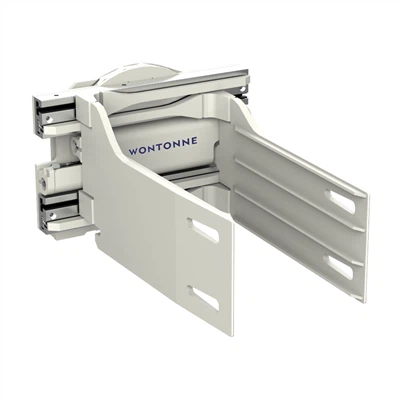
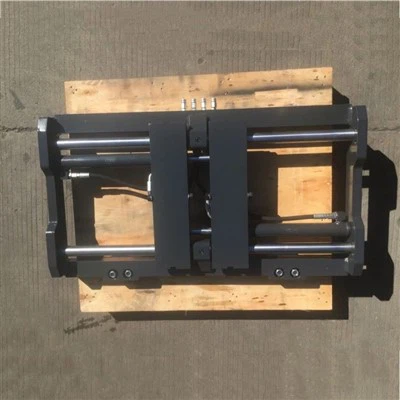
Handling forklift goods cages in a crowded warehouse can be a real challenge. As a supplier of Forklift Goods Cages, I've seen firsthand the issues that come up in these tight spaces. In this blog, I'll share some tips and tricks on how to manage these cages effectively, ensuring safety and efficiency.
First off, let's talk about why it's so important to handle these cages properly. In a crowded warehouse, space is at a premium. One wrong move with a forklift and its goods cage can lead to accidents, damage to inventory, and even injuries. That's why having a good strategy in place is crucial.
Pre - Operation Checks
Before you even start using the forklift with the goods cage, there are some essential checks you need to do. First, make sure the forklift is in good working condition. Check the brakes, steering, and hydraulic systems. A malfunctioning forklift can be extremely dangerous, especially when carrying a loaded goods cage.
Next, inspect the goods cage itself. Look for any signs of damage, like bent bars or loose welds. A damaged cage can compromise the safety of the load and the operator. You can find high - quality Forklift Goods Cages that are built to last and undergo strict quality control.
Navigating in a Crowded Warehouse
When you're in a crowded warehouse, visibility is often limited. You need to be extra cautious when moving the forklift with the goods cage. Use your mirrors constantly to check for other forklifts, pedestrians, or obstacles. It's also a good idea to slow down your speed. Remember, it's better to take a little longer to get the job done than to rush and cause an accident.
Another important thing is to plan your route in advance. Look at the layout of the warehouse and figure out the best way to get from point A to point B. Avoid narrow aisles if possible, as they can be difficult to maneuver in, especially with a large goods cage. If you have to use a narrow aisle, make sure you have enough clearance on both sides.
Loading and Unloading
Loading and unloading the goods cage is a critical step. When loading, make sure the load is evenly distributed inside the cage. An uneven load can cause the forklift to tip over, especially when turning or going up a ramp. Use straps or other securing devices to keep the load in place.


When unloading, be careful not to drop the load. If the goods are heavy, use a proper lifting technique. You can also use a Forklift Safety Access Cage if you need to access the load at a higher level. This cage provides a safe platform for the operator to work from.
Communication
Communication is key in a crowded warehouse. Make sure you and other forklift operators are on the same page. Use hand signals or a two - way radio to communicate your intentions. If there are pedestrians in the area, make sure they are aware of your presence. You can use a horn or other warning devices to alert them.
Training
Proper training is essential for anyone operating a forklift with a goods cage. Make sure all operators are trained on how to handle the forklift safely, how to load and unload the cage, and how to navigate in a crowded warehouse. Regular refresher courses can also help keep the operators' skills up - to - date.
Maintenance
Regular maintenance of the forklift and the goods cage is crucial. The forklift should be serviced according to the manufacturer's recommendations. The goods cage should also be inspected regularly for wear and tear. You can find a wide range of Goods Cages that are easy to maintain and have a long service life.
Dealing with Obstacles
In a crowded warehouse, you're bound to encounter obstacles. Whether it's a stack of pallets or a piece of equipment, you need to know how to deal with them. If possible, move the obstacle out of the way. If not, you may need to adjust your route. Always be prepared to stop and reassess the situation if necessary.
Storage of Goods Cages
When the goods cages are not in use, they need to be stored properly. Make sure they are stored in a designated area where they won't get in the way of other operations. Stack them neatly to save space, but make sure they are stable and won't fall over.
Emergency Preparedness
Even with all the precautions in place, emergencies can still happen. Make sure you have an emergency plan in place. This should include procedures for dealing with accidents, fires, or other emergencies. All operators should be familiar with the emergency plan and know what to do in case of an incident.
Conclusion
Handling forklift goods cages in a crowded warehouse is a complex task, but with the right approach, it can be done safely and efficiently. By following these tips, you can minimize the risk of accidents, protect your inventory, and keep your operators safe.
If you're in the market for high - quality forklift goods cages, we're here to help. We offer a wide range of products that are designed to meet your specific needs. Whether you need a small cage for light loads or a large one for heavy - duty applications, we've got you covered. Contact us to start a discussion about your requirements and let's work together to find the best solution for your warehouse.
References
- Forklift safety guidelines provided by industry standards organizations.
- Experience and knowledge gained from supplying Forklift Goods Cages to various warehouses.