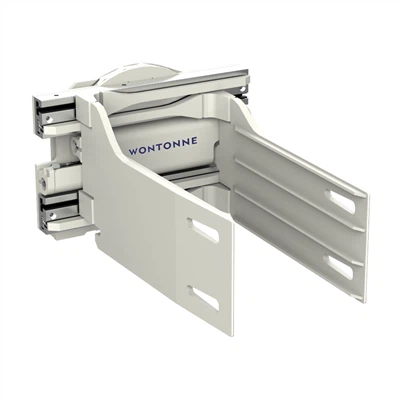
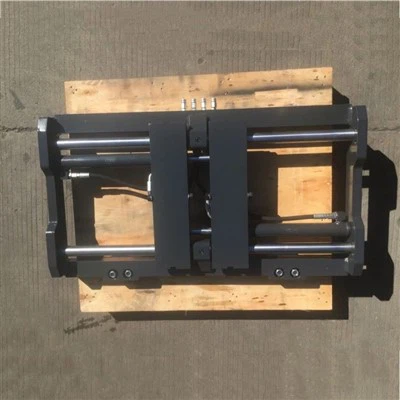
Hey there! As a supplier of forklift forks, I'm stoked to share with you a detailed guide on how to install forklift forks. Whether you're a seasoned pro in the material handling industry or just getting started, having the right knowledge about fork installation is super important. It not only ensures the safety of your operations but also extends the lifespan of your forklift and its attachments.
Pre - installation Checks
Before you even think about installing those forks, there are a few things you gotta check. First off, make sure you've got the right type of forklift forks for your tractor. You can find a wide range of Forklift Forks for Tractor on our website. These forks are designed to fit specific tractor models, so double - check the compatibility.
Inspect the forks thoroughly. Look for any signs of damage like cracks, bends, or excessive wear. A damaged fork can be a major safety hazard, so if you spot any issues, don't use it. Also, check the mounting points on your forklift. Make sure they're clean and free of any debris or rust. Rust can weaken the connection between the forks and the forklift, leading to instability during operation.
Tools You'll Need
To install forklift forks, you'll need a few basic tools. A good set of wrenches is a must. You'll use them to loosen and tighten the bolts that hold the forks in place. A torque wrench is also super useful. It helps you tighten the bolts to the correct torque specification, which is crucial for a secure fit. Additionally, you might need a pry bar to help align the forks during installation.
Step - by - Step Installation Process
Step 1: Position the Forklift
Park your forklift on a flat, stable surface. Make sure the parking brake is engaged and the engine is turned off. Lower the mast to its lowest position. This will make it easier to access the mounting points and reduce the risk of the forklift tipping over during the installation process.
Step 2: Remove the Old Forks (if applicable)
If you're replacing old forks, start by removing them. Use your wrenches to loosen the bolts that hold the forks to the forklift. Depending on your forklift model, there may be two or more bolts on each side. Once the bolts are loose, carefully pull the old forks out of the mounting brackets. Be careful not to drop them, as they can be heavy and cause injury.
Step 3: Prepare the New Forks
Take your new forklift forks and check the mounting holes. Make sure they match the mounting points on your forklift. If there are any protective covers on the forks, remove them. You can also apply a thin layer of anti - seize compound to the bolts. This will prevent them from seizing up over time and make future removal easier.


Step 4: Align the Forks
Lift one of the new forks and position it near the mounting bracket on the forklift. Use your pry bar to help align the holes in the fork with the holes in the mounting bracket. This can be a bit tricky, especially if the forks are heavy. Take your time and make sure the alignment is correct.
Step 5: Insert the Bolts
Once the holes are aligned, insert the bolts through the mounting holes in the fork and the mounting bracket. Use your wrenches to hand - tighten the bolts. Don't fully tighten them yet, as you'll need to adjust the position of the fork slightly.
Step 6: Repeat for the Other Fork
Do the same process for the other fork. Make sure both forks are at the same height and are parallel to each other. You can use a measuring tape to check the distance between the two forks. They should be evenly spaced to ensure proper load distribution.
Step 7: Tighten the Bolts
Now it's time to use your torque wrench. Refer to your forklift's manual for the correct torque specification. Tighten each bolt to the specified torque. Start with the bolts on one side and then move to the other side. Make sure to tighten the bolts in a criss - cross pattern. This helps ensure that the forks are evenly tightened and reduces the risk of uneven stress on the mounting points.
Post - installation Checks
After you've installed the forks, do a final check. Make sure the forks are securely attached and there's no play or movement. Lift the mast slightly and see if the forks stay in place. If they seem loose or wobbly, double - check the bolts and tighten them if necessary.
Also, check the alignment of the forks again. They should be straight and parallel to each other. If they're not, you may need to adjust them. You can do this by loosening the bolts slightly and using your pry bar to re - align the forks.
Different Types of Forklift Forks
There are different types of forklift forks available, each designed for specific applications. For example, Forklift Fork Spreader is great for handling wide loads. It allows you to adjust the distance between the forks, giving you more flexibility in your material handling operations.
Forklift Roller Forks are another option. These forks have rollers on the top surface, which makes it easier to load and unload pallets. They reduce friction and make the handling process smoother.
Maintenance Tips
Once you've installed your forklift forks, proper maintenance is key. Regularly inspect the forks for wear and tear. Clean them after each use to remove any dirt or debris. Lubricate the moving parts, such as the pivot points, to keep them functioning smoothly.
If you notice any signs of damage or excessive wear, replace the forks immediately. Don't take any chances with safety. Also, make sure to follow the manufacturer's recommended maintenance schedule for your forklift and its attachments.
Why Choose Our Forklift Forks
As a supplier of forklift forks, we pride ourselves on providing high - quality products. Our forks are made from top - grade materials, ensuring durability and reliability. We offer a wide range of forks to suit different forklift models and applications. Whether you need standard forks, spreaders, or roller forks, we've got you covered.
Our team of experts is always ready to help you choose the right forks for your needs. We can also provide you with installation and maintenance tips to ensure you get the most out of your forklift forks.
Contact Us for Purchase
If you're interested in purchasing forklift forks, we'd love to hear from you. We offer competitive prices and excellent customer service. Whether you're looking for a single fork or a set of forks for your entire fleet, we can help. Contact us today to discuss your requirements and get a quote. We're committed to providing you with the best products and services in the industry.
References
- Forklift Safety Manuals from Major Forklift Manufacturers
- Industry Standards for Forklift Fork Installation and Maintenance