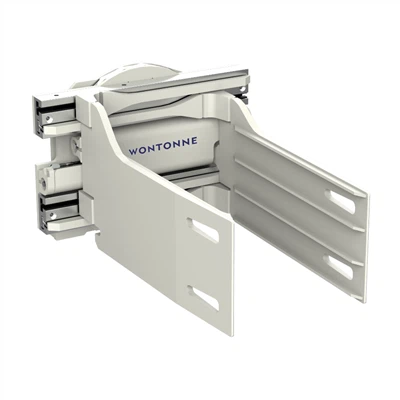
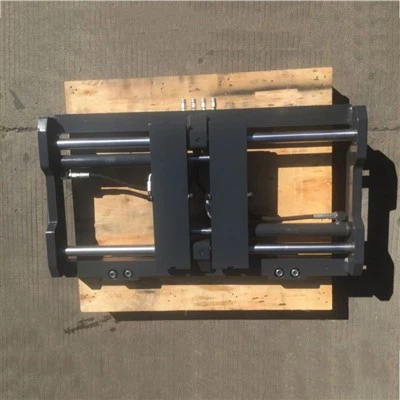
Hey there, folks! If you're in the business of forklift operations, you know how crucial it is to have the right equipment. As a proud supplier of Forklift Goods Cages, I'm here to walk you through the process of installing these nifty cages on a forklift. It's not as complicated as it might seem, and with the right steps, you'll have your forklift ready to handle all sorts of goods safely and efficiently.
Why Forklift Goods Cages?
First off, let's talk about why you need Forklift Goods Cages in the first place. These cages are designed to provide a secure way to transport goods using a forklift. Whether you're moving small parts, tools, or larger items, a good quality cage can prevent items from falling off during transit, reducing the risk of damage to the goods and potential injuries to workers.
We offer a wide range of Forklift Goods Cages that are built to last. They're made from high - quality materials, ensuring durability and reliability in even the toughest working environments. And if you need to access elevated areas, our Forklift Safety Access Cage is the perfect solution, providing a safe platform for workers.
Tools You'll Need
Before you start the installation process, gather the necessary tools. You'll typically need a wrench set, a socket set, and a torque wrench. These tools will help you loosen and tighten bolts and nuts during the installation. Make sure your tools are in good condition and the right size for the job. A poorly fitting tool can strip bolts or cause other problems, so it's worth taking the time to double - check.
Pre - installation Checks
Before you even start attaching the cage to the forklift, there are a few important checks you need to do. First, inspect the forklift itself. Check the forks for any signs of damage, such as cracks or bends. Damaged forks can compromise the stability of the cage and the safety of the entire operation. Also, make sure the forklift's hydraulic system is working properly. A faulty hydraulic system can cause the forks to drop unexpectedly, which is extremely dangerous.
Next, inspect the Forklift Goods Cage. Look for any loose parts, sharp edges, or signs of damage. If you find any issues, contact us right away. We offer replacement parts and can help you get your cage in top - notch condition.
Installation Steps
Step 1: Position the Cage
The first step in installing the Forklift Goods Cage is to position it correctly on the forklift forks. Make sure the cage is centered on the forks. This will ensure that the weight is evenly distributed and the cage is stable during operation. You may need to adjust the width of the forks to fit the cage properly. Most forklifts have an adjustable fork width feature, so use it to your advantage.
Step 2: Attach the Cage to the Forks
Once the cage is in position, it's time to attach it to the forks. Most Forklift Goods Cages come with a mounting system that uses bolts and nuts. Align the holes in the cage with the holes in the forks. This can be a bit tricky, so you might need an extra pair of hands to hold the cage steady while you insert the bolts.
Use your wrench or socket set to tighten the bolts. But don't just tighten them as hard as you can. Over - tightening can damage the bolts or the cage. Instead, use a torque wrench to tighten the bolts to the manufacturer's recommended torque specifications. This will ensure that the cage is securely attached without being over - stressed.
Step 3: Check the Stability
After attaching the cage, give it a gentle shake to check its stability. The cage should be firmly attached to the forks and not move around too much. If you notice any excessive movement, double - check the bolts to make sure they're tightened properly.
Step 4: Test the Forklift
Before you start using the forklift with the newly installed cage, it's important to do a test run. Lift the forks slowly and observe how the cage behaves. Make sure it doesn't shift or wobble. Lower the forks and repeat the process a few times. If everything seems to be in order, you're good to go.
Maintenance Tips
Once you've installed your Forklift Goods Cage, proper maintenance is key to ensuring its long - term performance. Regularly inspect the cage for any signs of wear and tear. Check the bolts and nuts for tightness and replace any that are loose or damaged. Clean the cage regularly to remove dirt and debris, which can cause corrosion over time.
Why Choose Our Goods Cages
We're not just any supplier of Forklift Goods Cages. Our cages are designed with safety and functionality in mind. We use the latest manufacturing techniques to ensure that each cage meets the highest quality standards. And if you're not sure which cage is right for your needs, our customer service team is always here to help. We can answer your questions, provide product recommendations, and even offer installation advice.


Our Goods Cages come in a variety of sizes and configurations to suit different forklift models and applications. Whether you're in a warehouse, a construction site, or a manufacturing plant, we have a cage that will fit your requirements.
Contact Us for Your Purchase
If you're interested in purchasing Forklift Goods Cages or need more information about our products, don't hesitate to get in touch. We're committed to providing our customers with the best products and services. Whether you're a small business or a large corporation, we can work with you to find the right solution for your forklift needs.
So, what are you waiting for? Upgrade your forklift operations with our high - quality Forklift Goods Cages today.
References
- Forklift safety guidelines provided by industry standards.
- Manufacturer's installation and maintenance manuals for Forklift Goods Cages.