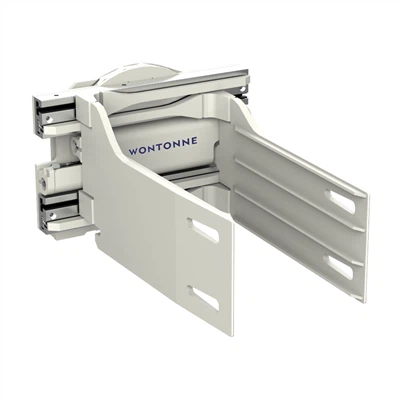
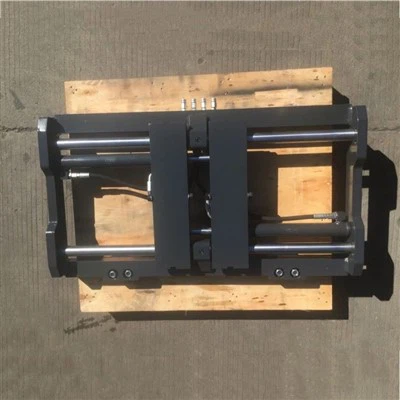
Hey there! I'm a supplier of Pallet Converters, and I'm stoked to share with you how to install these nifty devices. Pallet converters are super useful if you're in the business of moving goods around. They let you switch between different types of pallets without having to manually transfer the loads. It's a real time - saver and can boost your efficiency big time.
Pre - installation Checks
Before you even start the installation process, there are a few things you need to do. First off, make sure you've got all the parts that came with your pallet converter. Check the package carefully and compare the parts with the list in the instruction manual. You don't want to start the installation only to realize you're missing a crucial piece.
Next, take a good look at the forklift where you'll be installing the pallet converter. The forklift needs to be in good working condition. Check the forks for any signs of damage, like cracks or bends. The hydraulic system should also be functioning properly. If there are any issues with the forklift, get them fixed before you proceed with the installation.
Tools You'll Need
You're gonna need a set of tools to get the job done. Here's a basic list:

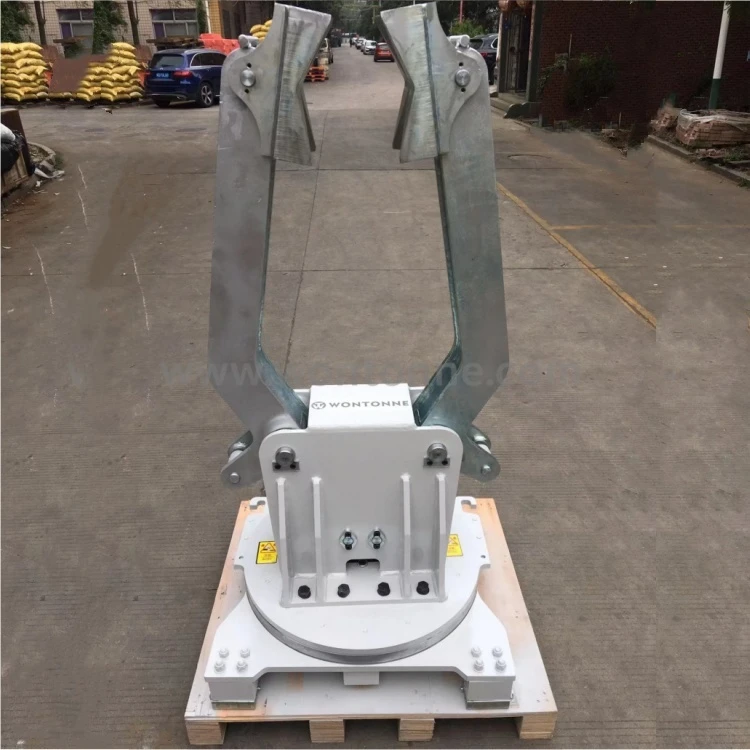
- Socket wrenches: Different sizes are required to loosen and tighten bolts.
- A torque wrench: This is important to ensure that you tighten the bolts to the correct torque specified in the manual. Using a torque wrench prevents over - or under - tightening, which can lead to problems later on.
- A pry bar: It can come in handy if you need to adjust the position of the pallet converter slightly.
- Safety equipment: Don't forget your safety glasses and gloves. Safety should always be your top priority.
Step - by - Step Installation Process
Step 1: Position the Forklift
Park the forklift on a flat, stable surface. Make sure the engine is turned off and the parking brake is engaged. Lower the forks all the way down to the ground. This gives you a stable base to work from and reduces the risk of the forklift tipping over during the installation.
Step 2: Attach the Mounting Brackets
The mounting brackets are what connect the pallet converter to the forklift. Take the mounting brackets and position them on the forklift forks. Align the holes in the brackets with the holes in the forks. Use the socket wrenches to insert and tighten the bolts. Make sure to use the torque wrench to tighten the bolts to the recommended torque. This ensures a secure connection between the brackets and the forks.
Step 3: Connect the Hydraulic Hoses
The pallet converter is powered by the forklift's hydraulic system. Locate the hydraulic ports on the forklift and the pallet converter. Connect the hydraulic hoses from the pallet converter to the corresponding ports on the forklift. Be careful when connecting the hoses to avoid any dirt or debris getting into the system. Once the hoses are connected, make sure they are properly secured with hose clamps.
Step 4: Install the Pallet Converter
With the mounting brackets in place and the hydraulic hoses connected, it's time to install the pallet converter. Lift the pallet converter using the forklift forks. Carefully position it over the mounting brackets. Lower the pallet converter slowly until it sits securely on the brackets. Align the holes in the pallet converter with the holes in the brackets and insert the bolts. Again, use the torque wrench to tighten the bolts to the correct torque.
Step 5: Test the Installation
Once the pallet converter is installed, it's time to test it. Start the forklift engine and operate the hydraulic controls to test the movement of the pallet converter. Make sure it can open and close smoothly and that it can lift and lower loads without any issues. Check for any signs of leaks in the hydraulic system. If everything seems to be working fine, you're good to go.
Additional Considerations
If you're looking for other forklift attachments to enhance your operations, we also offer some great options. For example, Forged Cable Clamps are useful for handling cables and wires safely. Hydraulic Tilt Bucket can be a great addition if you need to move loose materials like sand or gravel. And if you're in the sanitation industry, Forklift Sanitation Forks are designed to handle waste containers with ease.
Troubleshooting
Even after a successful installation, you might encounter some problems. If the pallet converter doesn't move smoothly, it could be due to air in the hydraulic system. You may need to bleed the system to remove the air. If there are leaks in the hydraulic hoses, check the connections and tighten them if necessary. If the problem persists, it's best to consult a professional.
Conclusion
Installing a pallet converter isn't overly complicated if you follow the steps carefully. By doing a proper pre - installation check, using the right tools, and following the step - by - step process, you can have your pallet converter up and running in no time. And if you're interested in other forklift attachments, we've got you covered.
If you're looking to purchase a pallet converter or any of our other products, don't hesitate to reach out. We're here to help you with all your material handling needs. Whether you're a small business or a large corporation, we can provide you with high - quality products and excellent customer service. Let's have a chat about how we can improve your operations with our top - notch pallet converters and other attachments.
References
- Pallet Converter Installation Manual
- Forklift Operator's Manual