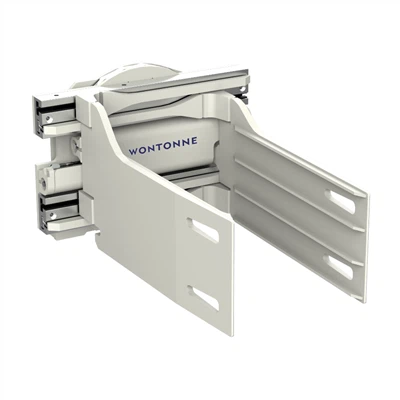
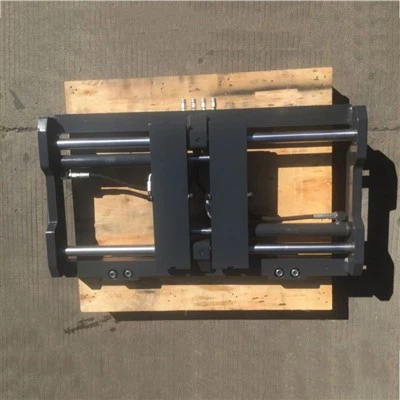
As a trusted supplier of Forklift Goods Cages, I understand the importance of maintaining these essential pieces of equipment. Forklift goods cages are widely used in warehouses, distribution centers, and various industrial settings to safely transport and store goods. Proper maintenance not only ensures the longevity of the cages but also enhances workplace safety. In this blog, I will share some valuable tips on how to maintain forklift goods cages effectively.
Regular Inspections
Regular inspections are the cornerstone of forklift goods cage maintenance. These inspections should be carried out on a frequent basis, preferably before each use. Start by visually examining the cage for any signs of damage, such as cracks, bent bars, or loose welds. Pay close attention to the joints and connections, as these areas are more prone to wear and tear. Check the floor of the cage for any holes or weak spots that could pose a safety risk.
Inspect the doors and gates of the cage to ensure they open and close smoothly. The latches and locks should be in good working condition and able to securely fasten the doors. If you notice any issues during the inspection, it is crucial to address them immediately. Minor problems can quickly escalate into major safety hazards if left unattended.
Cleaning and Lubrication
Keeping the forklift goods cages clean is essential for their proper functioning. Dirt, debris, and grease can accumulate on the cages over time, which can affect their structural integrity and performance. Use a high - pressure washer or a hose to clean the cages regularly. Make sure to remove any stubborn dirt or grime from the bars and joints.
After cleaning, dry the cages thoroughly to prevent rust and corrosion. Rust can weaken the metal structure of the cages and compromise their safety. Applying a rust - resistant coating can also help protect the cages from the elements.
In addition to cleaning, lubrication is also important. Lubricate the moving parts of the cages, such as hinges, latches, and wheels. This will reduce friction and wear, ensuring that the parts operate smoothly. Use a high - quality lubricant that is suitable for the type of metal used in the cages.
Proper Storage
When not in use, forklift goods cages should be stored properly. Store the cages in a dry, clean, and well - ventilated area. Avoid storing them in areas where they are exposed to moisture, extreme temperatures, or direct sunlight, as these conditions can cause damage to the cages.
Stack the cages carefully to prevent them from toppling over or getting damaged. Make sure the cages are stable and secure during storage. If possible, use a storage rack or a designated area specifically for storing forklift goods cages.
Training and Operator Awareness
Proper training of forklift operators is crucial for the maintenance of forklift goods cages. Operators should be trained on how to handle the cages safely and correctly. They should know how to load and unload the cages without causing damage. Overloading the cages can put excessive stress on the structure, leading to premature wear and potential failure.
Operators should also be aware of the importance of regular inspections and maintenance. Encourage them to report any issues or concerns they notice during the use of the cages immediately. By promoting a culture of safety and maintenance awareness among operators, you can significantly reduce the risk of cage - related accidents and extend the lifespan of the cages.
Addressing Repairs Promptly
If any damage is detected during an inspection or use, it is essential to address the repairs promptly. Do not attempt to use a damaged cage as it can pose a serious safety risk. Depending on the extent of the damage, you may be able to perform minor repairs in - house. However, for major repairs, it is advisable to seek the assistance of a professional.
When performing repairs, use high - quality replacement parts that are compatible with the original cage. Improperly installed or low - quality parts can compromise the safety and performance of the cage. After the repairs are completed, conduct a thorough inspection to ensure that the cage is in good working condition.
Documentation
Maintaining proper documentation is an important aspect of forklift goods cage maintenance. Keep a record of all inspections, cleanings, lubrications, and repairs. This documentation can be useful for tracking the maintenance history of the cages, identifying recurring problems, and demonstrating compliance with safety regulations.
The documentation should include the date of the inspection or maintenance activity, the name of the person who performed it, and a description of any issues found and actions taken. This information can also be valuable for insurance purposes and when it comes time to replace the cages.
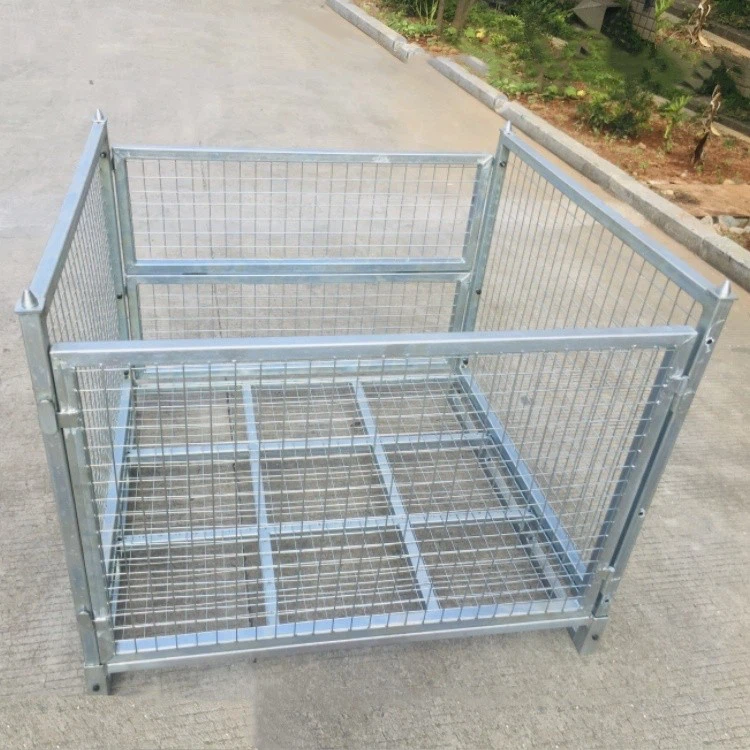

Importance of Quality Goods Cages
Investing in high - quality Goods Cages from the start can significantly reduce the maintenance requirements. High - quality cages are typically made from stronger materials and are more resistant to wear and tear. They are also designed with better construction techniques, which means they are less likely to develop problems over time.
At our company, we offer a wide range of Forklift Goods Cages that are built to the highest standards. Our cages are made from high - grade steel and are rigorously tested to ensure their safety and durability. We also provide Forklift Safety Access Cage options that are designed to meet the specific needs of different industries.
Conclusion
Maintaining forklift goods cages is essential for ensuring workplace safety and the longevity of the equipment. By following the tips outlined in this blog, including regular inspections, cleaning, lubrication, proper storage, operator training, prompt repairs, and documentation, you can keep your forklift goods cages in optimal condition.
If you are in the market for high - quality forklift goods cages or need more information on their maintenance, we are here to help. Our team of experts can provide you with the guidance and support you need to make the right choices for your business. Contact us today to start a conversation about your forklift goods cage requirements.
References
- Industrial Forklift Safety Guidelines, Occupational Safety and Health Administration (OSHA)
- Forklift Equipment Maintenance Best Practices, National Safety Council