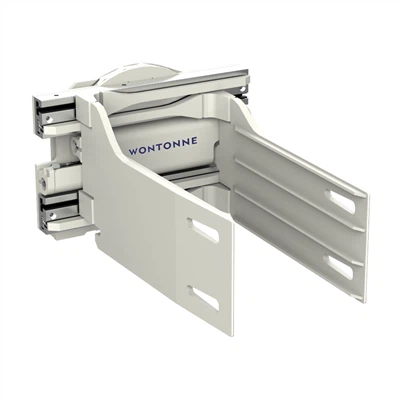
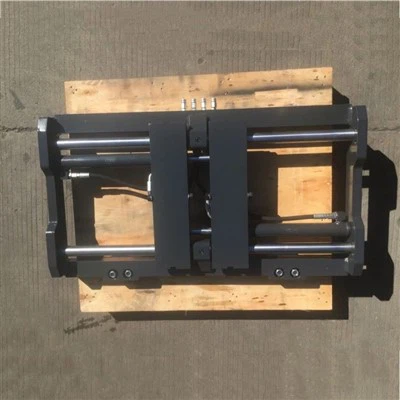
Hey there! As a supplier of push pull forklifts, I've seen firsthand the importance of operating these machines safely. In this blog, I'll share some tips and tricks on how to do just that.
Pre - operation Checks
Before you even think about firing up a push pull forklift, you've gotta do a thorough pre - operation check. This is like checking your car before a long drive. First off, take a look at the forklift's exterior. Check for any visible damage, like dents or cracks on the frame, mast, or forks. A damaged forklift can be a safety hazard, and it might not perform as it should.
Next, check the tires. Make sure they're properly inflated. Under - inflated tires can affect the forklift's stability and handling. You don't want to be in the middle of a job and have a tire go flat, right? Also, look for any signs of excessive wear on the tires, such as bald spots or cuts.
The hydraulic system is another crucial part. Check the hydraulic fluid level. Low fluid can cause the lift to malfunction, and it might not be able to lift or lower loads properly. If the fluid looks dirty or has a strange smell, it could be a sign of a bigger problem, and you should get it checked out by a professional.
Don't forget about the brakes and steering. Test the brakes to make sure they're responsive. If the brakes feel spongy or don't stop the forklift quickly, there's an issue. The steering should be smooth and easy to control. If it's hard to turn the wheel or if there's a lot of play in the steering, it needs to be fixed.
Operator Training
You can't just hop on a push pull forklift and start driving. Proper operator training is a must. A trained operator knows how to handle the forklift safely and efficiently. They understand the controls, the limitations of the machine, and how to react in different situations.
When it comes to training, it should cover both theoretical and practical aspects. In the theoretical part, operators learn about the forklift's components, how the hydraulic system works, and safety regulations. This knowledge helps them understand why certain safety procedures are in place.
The practical training is where operators get hands - on experience. They learn how to start and stop the forklift, how to lift and lower loads, and how to maneuver the machine in different environments. It's important to practice in a safe area, away from traffic and other hazards, until the operator is confident in their skills.
Load Handling
One of the main jobs of a push pull forklift is to handle loads. And this is where a lot of safety issues can arise if not done correctly. First of all, you need to know the weight capacity of the forklift. Overloading the forklift is extremely dangerous. It can cause the forklift to tip over, and it can also damage the machine.
When picking up a load, make sure the forks are centered under the load. This helps to distribute the weight evenly and keeps the forklift stable. If the load is off - center, it can create an imbalance, and the forklift might tip.
When lifting the load, do it slowly and smoothly. Sudden movements can cause the load to shift, which is a recipe for disaster. Once the load is lifted, keep it as low as possible. The higher the load, the more unstable the forklift becomes.
When moving the load, be aware of your surroundings. Watch out for obstacles, other vehicles, and pedestrians. Use your horn to alert others when you're approaching an intersection or when visibility is poor.
Operating in Different Environments
Push pull forklifts are used in a variety of environments, and each one presents its own challenges. In a warehouse, for example, you've got narrow aisles and lots of racking. You need to be extra careful when maneuvering in these tight spaces. Make sure you have enough clearance on both sides of the forklift to avoid hitting the racks.
Outdoor environments can be even more challenging. Uneven ground, wet surfaces, and strong winds can all affect the forklift's stability. If the ground is uneven, drive slowly and carefully. Avoid going over bumps or potholes at high speeds.


In wet conditions, the tires have less traction, so you need to be extra cautious when braking and turning. And if there's a strong wind, it can push the forklift and the load, making it harder to control. In extreme weather conditions, it might be best to stop operating the forklift until the conditions improve.
Maintenance
Regular maintenance is key to keeping a push pull forklift safe. Just like any other machine, it needs to be serviced regularly to ensure that all components are working properly. This includes changing the oil, filters, and checking the battery.
A well - maintained forklift is less likely to break down, and it's also safer to operate. If you notice any strange noises, vibrations, or other issues while operating the forklift, stop using it immediately and have it checked by a professional.
Types of Push Pull Forklifts
We offer a range of push pull forklifts, each with its own features and capabilities. For example, our Forklift Multi - Purpose Push is a versatile option that can handle different types of loads. It's designed to be easy to operate and is suitable for a variety of applications.
The PAS20E Standard Push Pull - Sheet Save Types is another great choice. It's specifically designed for sheet handling, and it offers excellent performance and reliability.
Our RPS20D Inverta Push is a high - end option that comes with advanced features. It's perfect for heavy - duty applications and offers superior control and precision.
Conclusion
Operating a push pull forklift safely is all about being prepared, trained, and careful. By following these tips, you can reduce the risk of accidents and ensure that your forklift operates smoothly and efficiently.
If you're in the market for a push pull forklift, or if you have any questions about our products, we'd love to hear from you. Contact us to start a procurement discussion and find the perfect push pull forklift for your needs.
References
- Forklift Safety Handbook, Occupational Safety and Health Administration (OSHA)
- Manuals of Push Pull Forklifts, Manufacturer's Documentation