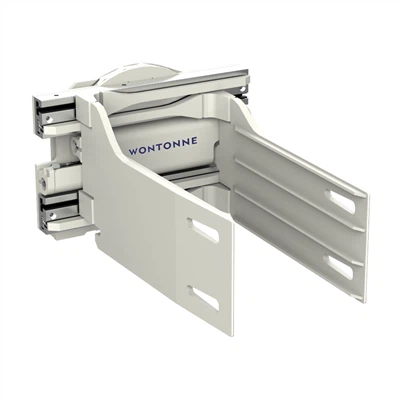
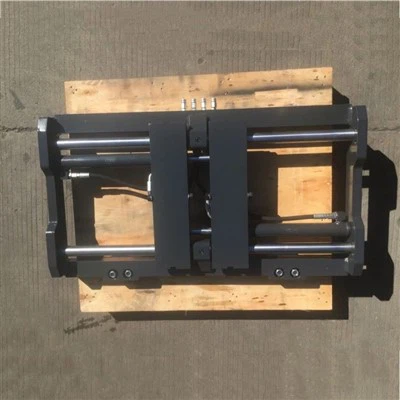
Hey there! As a Roll Prong supplier, I've seen firsthand how frustrating it can be when these handy tools start to loosen up. Roll Prongs are super useful for handling all sorts of cylindrical loads, but if they're not secure, it can lead to all kinds of problems. So, in this blog, I'm gonna share some tips on how to prevent Roll Prongs from loosening.


Understanding the Problem
First off, let's talk about why Roll Prongs might loosen in the first place. There are a few common reasons. One of the main culprits is vibration. When you're using a forklift with Roll Prongs to move heavy loads, the constant jostling and shaking can gradually cause the prongs to come loose. Another factor is wear and tear. Over time, the components of the Roll Prongs can start to degrade, which can also lead to loosening. And let's not forget about improper installation. If the Roll Prongs aren't installed correctly in the first place, they're more likely to loosen up down the line.
Regular Inspections
One of the best ways to prevent Roll Prongs from loosening is to conduct regular inspections. You should check your Roll Prongs before and after each use. Look for any signs of wear, such as cracks, dents, or excessive rust. Also, make sure all the bolts and fasteners are tight. If you notice any issues, it's important to address them right away. Don't wait until the problem gets worse.
During your inspections, pay close attention to the connection points between the Roll Prongs and the forklift. This is where most of the stress is concentrated, so it's crucial that these connections are secure. You can use a torque wrench to ensure that all the bolts are tightened to the manufacturer's specifications. If you're not sure what the correct torque settings are, you can refer to the product manual or contact the manufacturer.
Proper Installation
As I mentioned earlier, proper installation is key to preventing Roll Prongs from loosening. When you're installing your Roll Prongs, make sure you follow the manufacturer's instructions carefully. This includes using the correct tools and hardware. Don't try to cut corners or use makeshift solutions. If you're not confident in your ability to install the Roll Prongs correctly, it's a good idea to have a professional do it for you.
Another important aspect of installation is alignment. The Roll Prongs need to be properly aligned with the forklift's forks to ensure even weight distribution. If the prongs are misaligned, it can put extra stress on certain parts of the equipment, which can lead to loosening. Take the time to double-check the alignment before you start using the Roll Prongs.
Lubrication
Lubrication is another important factor in preventing Roll Prongs from loosening. Applying a high-quality lubricant to the moving parts of the Roll Prongs can help reduce friction and wear. This can also prevent the components from seizing up, which can cause the prongs to loosen.
When choosing a lubricant, make sure it's compatible with the materials used in the Roll Prongs. You should also follow the manufacturer's recommendations for lubrication intervals. Over-lubricating can be just as bad as under-lubricating, so it's important to use the right amount.
Load Management
Proper load management is essential for preventing Roll Prongs from loosening. Make sure you're not overloading the prongs. Each set of Roll Prongs has a maximum weight capacity, and you should never exceed this limit. Overloading can put excessive stress on the prongs and the forklift, which can lead to loosening and other problems.
In addition to not overloading the prongs, you should also make sure the load is evenly distributed. Uneven weight distribution can cause the prongs to tilt or shift, which can lead to loosening. When you're loading the Roll Prongs, take the time to position the load correctly and secure it in place.
Training
Finally, proper training is crucial for preventing Roll Prongs from loosening. All operators should be trained on how to use the Roll Prongs safely and correctly. This includes how to install, inspect, and maintain the equipment. Training should also cover proper load management techniques.
By providing your operators with the right training, you can reduce the risk of accidents and equipment damage. It can also help ensure that the Roll Prongs are used in the most efficient and effective way possible.
Conclusion
Preventing Roll Prongs from loosening is all about taking a proactive approach. By conducting regular inspections, installing the prongs correctly, lubricating the moving parts, managing the load properly, and providing proper training, you can significantly reduce the risk of loosening and other problems.
If you're in the market for high-quality Roll Prongs, be sure to check out our Roll Prong offerings. We also have other great forklift attachments, such as the Forklift Road Sweeper and the Forklift Glass Handler. If you have any questions or would like to discuss your specific needs, don't hesitate to reach out. We're here to help you find the best solutions for your forklift operations.
References
- Manufacturer's product manuals for Roll Prongs
- Industry standards and guidelines for forklift attachments