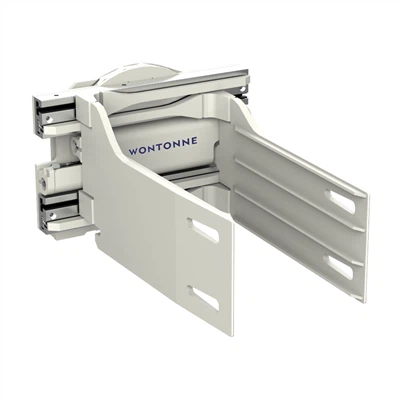
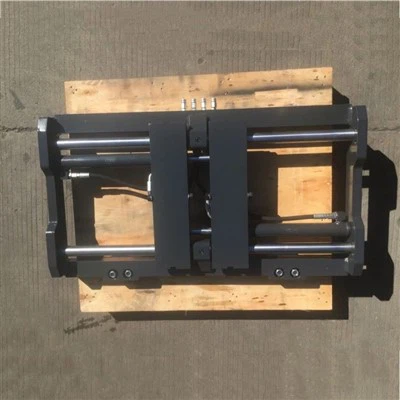
As a supplier of foam rubber clamps, I've seen firsthand how improper storage can lead to all sorts of issues, especially deformation. Foam rubber clamps are used in a variety of applications, from industrial settings to DIY projects. Keeping them in good shape is crucial for their performance and longevity. In this blog, I'll share some practical tips on how to store these clamps to prevent deformation.


Understanding Why Deformation Happens
Before we dive into storage solutions, it's important to understand what causes foam rubber clamps to deform. The main culprits are pressure, temperature, and humidity. When these clamps are stored under heavy objects or in a cramped space, the constant pressure can squeeze the foam, changing its shape permanently. Extreme temperatures, either too hot or too cold, can also affect the structure of the foam. High humidity can make the foam absorb moisture, which weakens it over time.
Choosing the Right Storage Location
One of the first steps in proper storage is picking the right spot. You want a place that's cool, dry, and well-ventilated. Avoid areas that are near heaters, radiators, or direct sunlight, as the heat can cause the foam to expand and lose its shape. Basements and attics might seem like convenient storage spaces, but they're often prone to high humidity levels and temperature fluctuations. Instead, consider a storage closet or a dedicated tool storage area in your garage. Just make sure it's not in a corner where the clamps can get crushed.
Using Storage Containers
Investing in good-quality storage containers can make a huge difference. Look for containers that are made of sturdy plastic and have airtight lids. This helps to keep out moisture, dust, and pests. You can also use dividers inside the containers to keep the clamps organized and prevent them from rubbing against each other. Label the containers clearly with the type and size of the clamps inside, so you can easily find what you need. If you have a large number of clamps, consider using stackable containers to save space.
Storing Clamps in an Uncompressed State
One of the most important things to remember is to store your foam rubber clamps in an uncompressed state. This means not stacking heavy objects on top of them or leaving them in a position where they're constantly being bent or squashed. If you're using a storage container, arrange the clamps so that they're lying flat and not touching each other. You can also use foam inserts or padding to provide extra support and prevent movement during storage.
Hanging Storage Options
If you're short on shelf space, hanging storage can be a great option. You can use hooks or brackets on the wall to hang your clamps. Make sure the hooks are strong enough to support the weight of the clamps and that they're placed at a height where the clamps won't get in the way. This also makes it easy to see and access the clamps you need. You can group the clamps by size or type for better organization. Some people even use pegboards to hang their clamps, which gives you a lot of flexibility in terms of arrangement.
Regularly Checking and Rotating Clamps
It's a good idea to regularly check your stored clamps for any signs of deformation or damage. Even if you're following all the right storage practices, it's still possible for something to go wrong. Check the shape of the foam, the condition of the rubber, and the functionality of any moving parts. If you notice any issues, you can take action before the problem gets worse. It's also a good idea to rotate the clamps every few months. This means moving the ones that are at the back of the storage container to the front and vice versa. This helps to ensure that all the clamps are exposed to the same storage conditions and reduces the risk of long-term deformation.
Special Considerations for Different Types of Clamps
Not all foam rubber clamps are the same, and some might require special storage considerations. For example, if you have Multi-Purpose Block Clamps, they might have more complex shapes and moving parts. Make sure to clean them thoroughly before storing and lubricate any moving parts if necessary. If you have BCR20E - Bale Clamp or BCS20E - Bale Clamp, these are typically used in heavier-duty applications and might be larger in size. They need to be stored in a way that supports their weight and doesn't cause any stress on the clamps.
Training Your Staff
If you're running a business and have employees who handle the foam rubber clamps, it's important to train them on proper storage procedures. Make sure they understand the importance of keeping the clamps in good condition and the steps they need to take to prevent deformation. Provide clear instructions and guidelines, and make it a part of your standard operating procedures. This will help to ensure that everyone in your organization is on the same page when it comes to storage.
Conclusion
Proper storage of foam rubber clamps is essential to prevent deformation and ensure their long-term performance. By choosing the right storage location, using the appropriate containers, storing the clamps in an uncompressed state, and regularly checking and rotating them, you can keep your clamps in top shape. Remember to also consider the special needs of different types of clamps and train your staff on proper storage procedures.
If you're in the market for high-quality foam rubber clamps, we're here to help. We've got a wide range of clamps to suit different needs and applications. Whether you're looking for a small clamp for a DIY project or a heavy-duty clamp for an industrial setting, we've got you covered. Contact us to start a conversation about your clamp requirements and let's work together to find the perfect solution for you.
References
- General knowledge from years of experience as a foam rubber clamp supplier.
- Industry best practices for storing rubber and foam products.