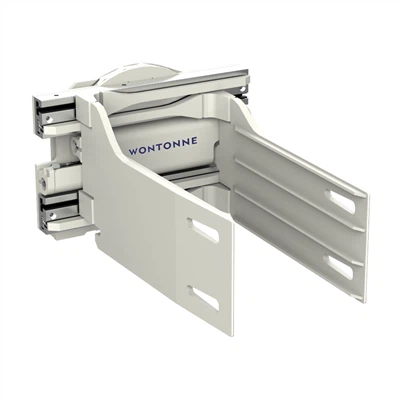
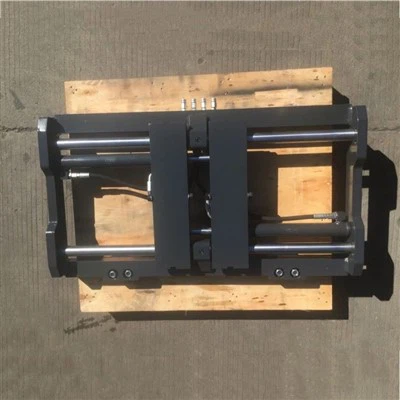
Hey there! As a supplier of Goods Cages, I know firsthand how important it is to train employees to use these cages safely. In this blog post, I'm gonna share some tips and strategies to help you ensure your team can handle Goods Cages without any hitches.
Why Safety Training is a Must
First off, let's talk about why safety training for using Goods Cages is so crucial. These cages are used to transport all sorts of goods, and if not used properly, they can pose serious risks. Accidents can lead to injuries to employees, damage to the goods, and even harm to the workplace environment. By providing proper training, you're not only protecting your employees but also safeguarding your business from potential losses.
Pre - Training Preparation
Before you start the actual training, there are a few things you need to do. First, gather all the necessary materials. This includes the user manuals for the Goods Cages. These manuals are like the Bibles for using the cages correctly. They contain all the technical details, weight limits, and safety instructions.


Next, assess your employees' current knowledge and skills. You can do this through a simple questionnaire or a short interview. This will help you tailor the training to their specific needs. For example, if some employees have prior experience with forklift attachments, you can focus more on the unique features of the Goods Cages.
The Training Process
1. Classroom Training
The first step in the training process is usually classroom training. Here, you'll introduce the employees to the basics of Goods Cages. Explain what they are, what they're used for, and the different types available. You can also show some videos of how the cages are supposed to be used correctly and incorrectly.
During this session, emphasize the importance of following safety guidelines. Talk about things like weight limits. Overloading a Goods Cage can cause it to tip over, which is extremely dangerous. Also, discuss the proper way to secure the goods inside the cage. Loose items can fall out and cause injuries.
2. Hands - on Training
After the classroom session, it's time for hands - on training. This is where the employees get to actually use the Goods Cages. Start with some simple tasks, like loading and unloading light - weight items.
Show them how to properly attach the cage to the forklift. Make sure they understand the locking mechanisms and how to check if the cage is securely attached. Demonstrate how to position the forklift correctly when moving the cage to avoid any collisions.
As they gain more confidence, gradually increase the complexity of the tasks. For example, have them transport heavier items or move the cage in a more congested area. But always be there to supervise and correct any mistakes.
3. Training on Different Types of Goods Cages
There are different types of Goods Cages, such as Forklift Goods Cages and Forklift Safety Access Cages. Each type has its own unique features and usage scenarios.
For Forklift Goods Cages, focus on their capacity and how to stack goods efficiently. These cages are mainly used for transporting large quantities of goods. On the other hand, Forklift Safety Access Cages are designed for employees to access high - up areas safely. Train the employees on how to use the safety harnesses and other safety features associated with these cages.
4. Emergency Procedures
No training is complete without covering emergency procedures. Teach the employees what to do in case of an accident, such as a cage tipping over or a forklift malfunction. This includes how to stop the forklift safely, how to call for help, and how to provide first - aid if necessary.
Conduct regular emergency drills so that the employees are prepared for real - life situations. These drills will help them stay calm and act quickly in case of an emergency.
Reinforcing Safety Training
Training is not a one - time thing. You need to reinforce the safety training regularly. You can do this by having short safety meetings every week or month. During these meetings, review the key safety points, and share any new safety information or best practices.
Encourage the employees to report any safety concerns or near - misses. This will help you identify potential problems before they turn into serious accidents. You can also offer incentives for employees who follow the safety guidelines consistently. This could be something as simple as a gift card or extra time off.
Maintenance and Inspection
Part of using Goods Cages safely also involves proper maintenance and inspection. Train the employees on how to perform basic inspections before and after each use. They should check for any signs of damage, such as cracks or loose parts.
Explain the importance of reporting any issues immediately. Regular maintenance of the cages will ensure their longevity and safe operation. You can also have a schedule for professional inspections to catch any hidden problems.
Conclusion
Training employees to use Goods Cages safely is a continuous process. It requires a combination of classroom training, hands - on experience, and regular reinforcement. By following the steps outlined in this blog post, you can ensure that your employees are well - equipped to handle the Goods Cages safely and efficiently.
If you're interested in purchasing high - quality Goods Cages or need more information about our products, feel free to reach out. We're always here to help you find the right solutions for your business needs.
References
- Forklift and Attachment Manufacturer's Manuals
- Occupational Safety and Health Administration (OSHA) Guidelines on Forklift Attachments
- Industry Best Practices for Using Forklift Goods Cages