Hey there! As a supplier of forklift forks, I've seen firsthand how crucial it is to train operators properly on using these essential tools. Forklifts are a staple in warehouses, construction sites, and various industrial settings, and the forks are what make them so versatile. In this blog, I'll share some tips on how to train operators on using forklift forks effectively and safely.
Understanding the Basics
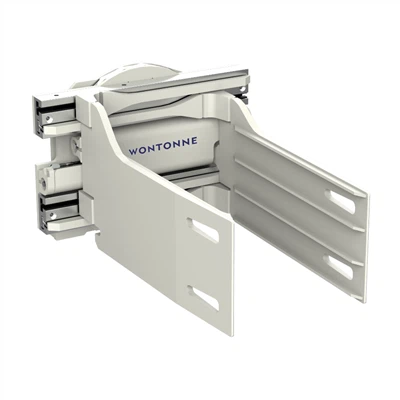
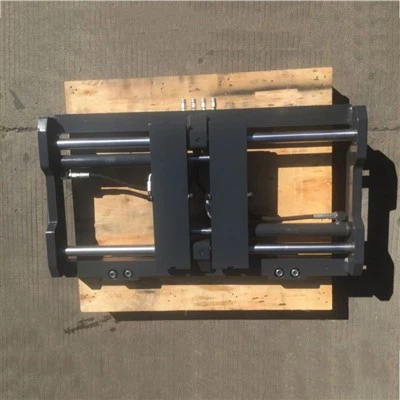
Before diving into the training, it's important for operators to understand the different types of forklift forks available. We offer a wide range of options, including High Strength Steel Forklift Glass Handler With Mechanical American Technology Design, Forklift Roller Forks, and Forklift Fork Extensions. Each type has its own unique features and is designed for specific applications.
For example, the high-strength steel glass handler is perfect for moving large glass panels safely. Its mechanical American technology design ensures a secure grip and smooth operation. On the other hand, forklift roller forks are great for handling long and heavy loads, as the rollers reduce friction and make it easier to move the load. Forklift fork extensions, as the name suggests, extend the length of the forks, allowing operators to handle larger or longer loads.
Pre-Operational Checks
One of the first things operators should learn is how to perform pre-operational checks on the forklift and its forks. This includes inspecting the forks for any signs of damage, such as cracks, bends, or excessive wear. They should also check the fork tips for sharp edges or deformities, as these can damage the load or cause safety hazards.
Operators should also ensure that the forks are properly attached to the forklift and that the locking mechanism is secure. They should check the hydraulic system for any leaks or malfunctions, as this can affect the lifting capacity and stability of the forklift. Additionally, they should check the tires for proper inflation and tread depth, as this can impact the forklift's maneuverability and safety.


Proper Fork Placement
Proper fork placement is crucial for safe and efficient operation. Operators should always position the forks evenly under the load, ensuring that the load is centered and balanced. They should avoid overloading the forks or placing the load too far forward or backward, as this can cause the forklift to tip over.
When inserting the forks into the load, operators should do so slowly and carefully, making sure that the forks are fully inserted and that the load is resting securely on the forks. They should also avoid hitting the load or the surrounding objects with the forks, as this can cause damage to the load or the forklift.
Lifting and Lowering the Load
Once the forks are properly placed under the load, operators can begin lifting the load. They should use the hydraulic controls to raise the forks slowly and steadily, keeping the load level and balanced. They should avoid sudden or jerky movements, as this can cause the load to shift or fall.
When lowering the load, operators should do so slowly and carefully, making sure that the load is placed safely on the ground or on the storage rack. They should also avoid dropping the load or releasing the forks too quickly, as this can cause damage to the load or the forklift.
Maneuvering with Load
Maneuvering a forklift with a load requires skill and caution. Operators should always drive at a safe speed, especially when turning or reversing. They should also avoid sudden stops or starts, as this can cause the load to shift or fall.
When turning, operators should use the proper turning radius and avoid cutting corners, as this can cause the forklift to tip over. They should also be aware of their surroundings and avoid driving too close to other objects or people.
Safety Precautions
Safety should always be the top priority when operating a forklift. Operators should wear appropriate personal protective equipment, such as hard hats, safety glasses, and steel-toed boots. They should also follow all safety rules and regulations, including speed limits, load capacity limits, and safety distances.
Operators should also be trained on how to respond to emergencies, such as forklift tip-overs, fires, or electrical malfunctions. They should know how to use the emergency stop button and how to evacuate the area safely.
Ongoing Training and Evaluation
Training is not a one-time event. Operators should receive ongoing training and evaluation to ensure that they are using the forklift forks safely and efficiently. This can include refresher courses, safety meetings, and on-the-job training.
Supervisors should also conduct regular inspections and evaluations of the forklift and its forks to ensure that they are in good working condition. They should also provide feedback and coaching to operators, helping them to improve their skills and performance.
Conclusion
Training operators on using forklift forks is essential for safe and efficient operation. By understanding the different types of forklift forks, performing pre-operational checks, using proper fork placement, lifting and lowering the load safely, maneuvering with the load, and following safety precautions, operators can reduce the risk of accidents and injuries.
As a forklift forks supplier, we are committed to providing high-quality products and excellent customer service. If you have any questions or need more information about our forklift forks or training services, please don't hesitate to contact us. We'd be happy to help you find the right solution for your needs.
References
- OSHA (Occupational Safety and Health Administration). Forklift Safety Standards.
- Forklift Manufacturer's Manuals.
- Industry Best Practices for Forklift Operation.