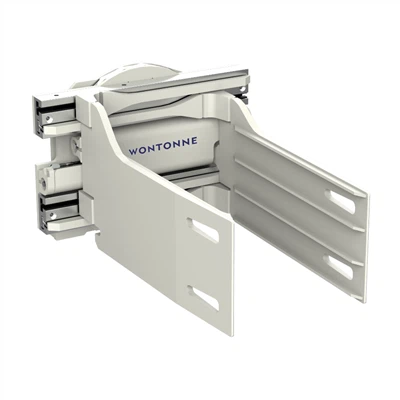
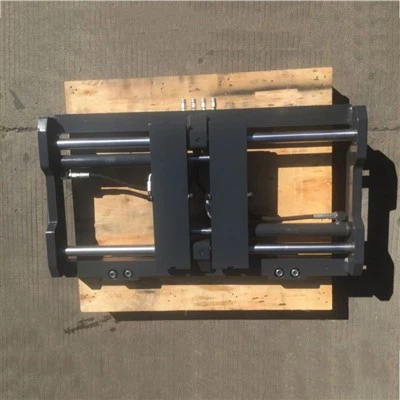
As a seasoned supplier of carton clamps, I understand the importance of proper transportation for these essential forklift attachments. Carton clamps are designed to handle cartons, boxes, and other similar loads safely and efficiently, minimizing the risk of damage during handling. However, transporting these clamps requires careful planning and execution to ensure they arrive at their destination in perfect condition. In this blog post, I'll share some valuable insights on how to transport carton clamps effectively.
Pre - transportation Preparation
Before you even start thinking about the actual transport, thorough preparation is key. First, you need to conduct a detailed inspection of the carton clamps. Check for any signs of damage, loose parts, or wear and tear. Make sure all hydraulic hoses are properly connected and secured, and that there are no leaks. This inspection will not only help you identify any issues that need to be addressed before transport but also provide a baseline for the condition of the clamps.
Next, you should clean the carton clamps. Remove any dirt, debris, or residues from the surface. A clean clamp is not only more presentable but also less likely to cause problems during transport. For example, dirt can get into moving parts and cause damage over time, and residues can attract moisture, leading to rust.
Documentation is another crucial aspect of pre - transportation preparation. Gather all the necessary paperwork, including the product manual, warranty information, and any certificates related to the carton clamps. This documentation will be useful for both you and the recipient of the clamps. It can help in case of any questions about the product's operation or maintenance, and it also serves as proof of the product's origin and quality.
Packaging the Carton Clamps
Proper packaging is essential to protect the carton clamps during transport. Start by using high - quality packaging materials. A sturdy wooden crate is often a great choice as it provides good protection against impacts and can be easily handled. Line the crate with foam or other cushioning materials to absorb shocks.
If the carton clamps have any protruding parts or sharp edges, make sure to cover them with protective caps or padding. This will prevent these parts from getting damaged and also reduce the risk of injury to the handlers.
For hydraulic components, it's important to take extra precautions. Seal the hydraulic ports to prevent any leakage of hydraulic fluid during transport. You can use specialized port plugs or caps for this purpose. Also, make sure to secure any loose hydraulic hoses so that they don't get tangled or damaged.
Choosing the Right Transport Method
The choice of transport method depends on several factors, including the distance of the transport, the size and weight of the carton clamps, and the urgency of delivery.
Road Transport
Road transport is a popular option for short - to medium - distance deliveries. It offers flexibility as you can directly deliver the carton clamps to the customer's location. When using a truck for transport, make sure the truck bed is clean and free of any sharp objects that could damage the packaging. Secure the crate containing the carton clamps firmly to the truck bed using straps or chains. This will prevent the crate from shifting during transit, which could lead to damage.
Rail Transport
For longer - distance transport within a country or region, rail transport can be a cost - effective option. However, it may require additional handling at the loading and unloading points. When using rail transport, ensure that the carton clamps are packaged in a way that can withstand the vibrations and movements associated with rail travel. Coordinate with the rail company to ensure proper handling and storage of the shipment.
Air Transport
If time is of the essence, air transport may be the best choice. It is the fastest way to deliver carton clamps, especially for international shipments. However, air transport can be more expensive. When shipping by air, you need to comply with the airline's regulations regarding packaging, weight, and size. The packaging should be lightweight yet strong enough to protect the clamps during flight.
Loading and Unloading
Loading and unloading the carton clamps require careful attention to detail. Use appropriate lifting equipment, such as forklifts or cranes, to handle the crates. Make sure the lifting equipment is in good working condition and that the operators are trained and experienced.
When loading the clamps onto the transport vehicle, place the crate in a stable position. Avoid stacking heavy objects on top of the crate, as this could cause damage to the carton clamps inside.
During unloading, follow the same safety procedures. Inspect the crate for any signs of damage during transit. If there is any visible damage, document it immediately and contact the transport company and the customer.
Tracking the Shipment
Once the carton clamps are on their way, it's important to track the shipment. Most transport companies offer tracking services that allow you to monitor the progress of the delivery. This will give you and the customer peace of mind and also help you anticipate any potential delays.

If there are any issues with the shipment, such as a delay or a change in the delivery schedule, communicate with the customer promptly. Provide them with regular updates and work together to find a solution.
Conclusion
Transporting carton clamps requires careful planning and execution at every step. From pre - transportation preparation to tracking the shipment, each stage plays a crucial role in ensuring the clamps arrive at their destination in perfect condition.
As a supplier, we are committed to providing high - quality carton clamps and ensuring a smooth transportation process. If you are interested in our Carton Clamp – Forklift Attachment For Safe, Damage - Free Carton Handling, CCS20E Carton Clamps - Forklift Attachment, or other Carton Clamps - Forklift Attachment, please feel free to reach out to us for more information and to start the procurement negotiation process. We look forward to working with you to meet your material handling needs.
References
- Forklift Attachment Handbook
- Packaging and Shipping Guidelines for Industrial Equipment