How to use forklift goods cages in a multi - level warehouse
In a multi - level warehouse, forklift goods cages play a crucial role in enhancing efficiency, safety, and organization. As a supplier of Forklift Goods Cages, I have witnessed firsthand how these tools can transform the operations within such facilities. In this blog, I will share some practical insights on how to effectively use forklift goods cages in a multi - level warehouse.
Understanding Forklift Goods Cages
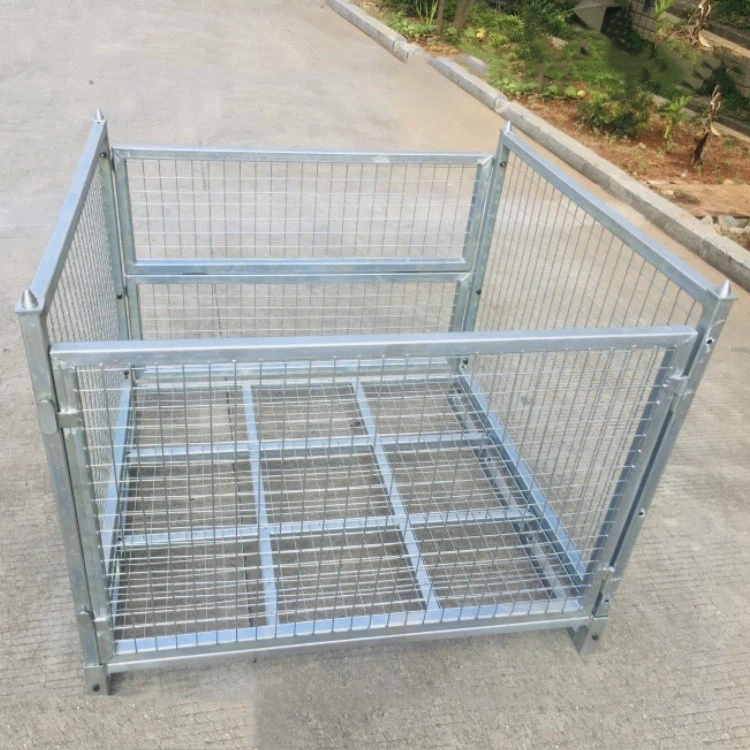
Before delving into their usage, it's essential to understand what forklift goods cages are. Forklift goods cages are sturdy, enclosed structures designed to be attached to the forks of a forklift. They come in various sizes and configurations to accommodate different types of goods. There are general Goods Cages for storing and transporting a wide range of items, and specialized ones like the Forklift Safety Access Cage which is used when workers need to access elevated areas safely.
Pre - operation Checks
- Inspection of the Cage
- Before using a forklift goods cage, a thorough inspection is necessary. Check for any signs of damage such as bent bars, loose welds, or broken doors. A damaged cage can pose a significant safety risk during operation.
- Ensure that all the safety features, such as locking mechanisms and guardrails, are in proper working condition. For example, the door latch should be able to securely hold the door closed during lifting and movement.
- Compatibility with the Forklift
- Confirm that the forklift goods cage is compatible with the forklift being used. Check the weight capacity of both the cage and the forklift. Overloading either the cage or the forklift can lead to instability and potential accidents.
- Make sure the forks fit properly into the cage's fork pockets. A loose fit can cause the cage to shift during lifting, which is extremely dangerous.
Loading the Goods Cage
- Proper Distribution of Weight
- When loading the goods into the cage, it is vital to distribute the weight evenly. Uneven weight distribution can cause the forklift to become unbalanced, increasing the risk of tipping over. Place heavier items at the bottom and towards the center of the cage.
- For example, if you are loading boxes of different weights, arrange the heavier boxes in the middle and stack the lighter ones on top. This helps maintain the stability of the forklift during lifting and movement.
- Securing the Goods
- Once the goods are loaded, secure them to prevent movement during transportation. Use straps, ropes, or other suitable fastening devices. This not only protects the goods from damage but also ensures the safety of the operator and other workers in the warehouse.
- For loose items, consider using a net or a partition inside the cage to keep them in place.
Operating the Forklift with the Goods Cage
- Lifting and Lowering
- When lifting the goods cage, do it slowly and steadily. Sudden movements can cause the goods to shift or the cage to sway, which is a safety hazard. Use the forklift's controls carefully to raise the cage to the desired height.
- Similarly, when lowering the cage, control the descent speed to prevent any impact on the goods or the cage itself. Make sure the cage is placed on a stable surface before releasing the forks.
- Navigating in the Warehouse
- In a multi - level warehouse, there are often narrow aisles and obstacles. When moving with the goods cage, be extra cautious. Keep a safe distance from walls, racks, and other equipment.
- Use the forklift's horn to signal your presence when approaching intersections or blind spots. This helps prevent collisions with other forklifts or pedestrians in the warehouse.
- When going up or down ramps, maintain a slow and steady speed. Ensure that the forklift is properly aligned with the ramp to avoid any side - slipping.
Using the Forklift Goods Cage for Elevated Access
- Worker Safety
- If the Forklift Safety Access Cage is being used for workers to access elevated areas, ensure that the workers are wearing appropriate safety gear, such as harnesses. The harness should be attached to a secure point inside the cage.
- Before lifting the cage with workers inside, conduct a safety briefing. Instruct the workers on how to stay balanced and what to do in case of an emergency.
- Accessing Shelves and Racks
- When using the cage to access items on high shelves or racks, position the forklift carefully. Make sure the cage is at the correct height and angle to allow easy access to the desired items.
- Workers inside the cage should use tools like reach poles or step stools safely to retrieve the items. Avoid over - reaching, which can cause the cage to become unbalanced.
Storage and Maintenance of Forklift Goods Cages
- Proper Storage
- When not in use, store the forklift goods cages in a designated area. Keep them away from areas where they can be damaged by other equipment or vehicles.
- Stack the cages carefully if space is limited, ensuring that they are stable and won't fall over.
- Regular Maintenance
- Schedule regular maintenance for the forklift goods cages. This includes cleaning, lubricating moving parts, and checking for any signs of wear and tear.
- Replace any damaged parts immediately to ensure the continued safety and functionality of the cages.
Conclusion
Using forklift goods cages in a multi - level warehouse requires careful planning, proper training, and strict adherence to safety protocols. By following the steps outlined above, you can ensure the efficient and safe use of these valuable tools. Whether you are using general Goods Cages for transporting goods or specialized Forklift Safety Access Cages for elevated access, the key is to prioritize safety at all times.

If you are interested in purchasing high - quality Forklift Goods Cages for your multi - level warehouse, we are here to assist you. Our cages are designed to meet the highest safety and quality standards. Contact us to start a procurement discussion and find the perfect solution for your warehouse needs.
References
- Forklift Safety Manuals from major forklift manufacturers.
- Industry standards and guidelines for warehouse safety and equipment usage.