What are the best practices for operating with forklift forks?
As a dedicated forklift forks supplier, I've witnessed firsthand the pivotal role that proper forklift fork operation plays in various industries. Forklifts are indispensable workhorses in warehouses, construction sites, and manufacturing plants, and the forks are their most critical tools. In this blog, I'll share some of the best practices for operating with forklift forks to ensure safety, efficiency, and longevity of both the equipment and the goods being handled.
Pre - operation Checks
Before you even start the forklift, a thorough pre - operation check of the forks is essential. Inspect the forks for any signs of damage, such as cracks, bends, or excessive wear. Cracks can lead to sudden fork failure during operation, which can cause serious accidents and damage to the load. Bends in the forks can affect the balance and stability of the load, increasing the risk of it tipping over. Excessive wear can weaken the forks and reduce their load - carrying capacity.
Check the fork tips for sharp edges or damage. Sharp edges can puncture or damage the pallets or the goods being handled. Ensure that the forks are securely attached to the forklift carriage. Loose forks can shift during operation, causing the load to become unstable. Also, verify that the fork width is appropriate for the load. Using forks that are too wide or too narrow can lead to improper load distribution and instability.
Loading and Unloading
When loading a forklift with forks, always approach the load slowly and carefully. Align the forks with the pallet or the load evenly. This ensures that the weight is distributed evenly across the forks, reducing the risk of the load tipping. Insert the forks fully into the pallet or under the load. If the forks are not inserted deeply enough, the load may shift or fall off during lifting.


Lift the load smoothly. Avoid sudden jerks or rapid movements, as these can cause the load to become unstable. Keep the load as low to the ground as possible while in transit. This lowers the center of gravity of the forklift - load combination, increasing stability. When turning, slow down and be aware of the swing radius of the load. A wide load can require more space to turn safely.
Unloading is also a critical process. Lower the load gently onto the intended surface. Ensure that the surface is flat, stable, and capable of supporting the weight of the load. Once the load is on the surface, retract the forks slowly to avoid damaging the load or the surface.
Fork Maintenance
Regular maintenance of forklift forks is crucial for their safe and efficient operation. Clean the forks regularly to remove dirt, debris, and any corrosive substances. Corrosion can weaken the forks over time, reducing their strength and load - carrying capacity.
Lubricate the moving parts of the forks, such as the pivot points and the attachment mechanism. Proper lubrication reduces friction, which can prevent premature wear and tear. Inspect the forks at regular intervals for any signs of damage or wear. Replace any damaged or worn - out forks immediately.
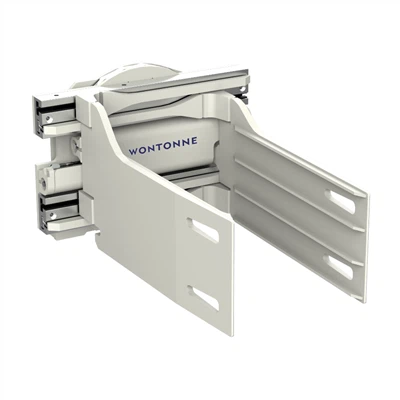
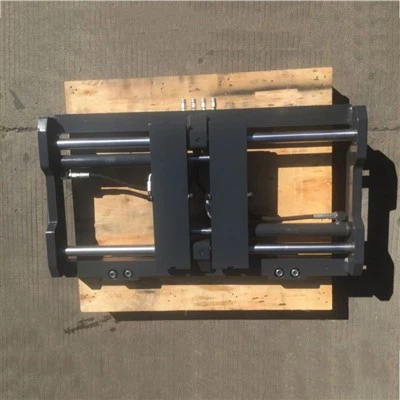
If you need specialized forklift forks, we offer a wide range of products. For example, our High Strength Steel Forklift Glass Handler With Mechanical American Technology Design is designed specifically for handling glass, providing a safe and efficient solution. Our Forklift Forks for Tractor are suitable for use with tractors, offering versatility in different working environments. And our Forklift Fork Extensions can increase the reach and capacity of your existing forklift forks.
Operator Training
Proper operator training is one of the most important best practices for operating with forklift forks. Operators should be trained on the correct use of the forklift, including how to handle the forks safely. They should understand the load - carrying capacity of the forks and the forklift, as well as the limitations of the equipment.
Training should cover pre - operation checks, loading and unloading procedures, and forklift maneuvering. Operators should also be trained on how to respond to emergencies, such as a load shifting or a fork failure. Regular refresher courses can help keep operators up - to - date with the latest safety procedures and best practices.
Safety Precautions
In addition to the above practices, there are several safety precautions that should be followed when operating with forklift forks. Always wear appropriate personal protective equipment (PPE), such as hard hats, safety shoes, and high - visibility vests. This protects the operator from potential hazards, such as falling objects or collisions.
Keep a safe distance from other forklifts and pedestrians. Forklifts can have blind spots, so it's important to be aware of your surroundings at all times. Use warning signals, such as horns or lights, when approaching intersections or when backing up.
Do not overload the forks. Exceeding the load - carrying capacity can cause the forks to bend or break, leading to a dangerous situation. Also, avoid using the forks for tasks they are not designed for, such as prying or pushing heavy objects.
Storage of Forklifts and Forks
When not in use, store the forklift in a designated area. Park the forklift on a level surface and engage the parking brake. Lower the forks to the ground to prevent damage and reduce the risk of the forklift tipping over.
Store the spare forks in a clean, dry place. Keep them organized and protected from damage. If possible, store the forks in a rack or on a pallet to prevent them from being damaged by other equipment or by being dropped.
In conclusion, operating with forklift forks safely and efficiently requires a combination of pre - operation checks, proper loading and unloading techniques, regular maintenance, operator training, and strict safety precautions. By following these best practices, you can minimize the risk of accidents, protect your equipment and your goods, and improve the overall productivity of your operations.
If you're interested in purchasing high - quality forklift forks or need more information about our products, feel free to reach out to us. We're committed to providing the best solutions for your forklift needs.
References
- Occupational Safety and Health Administration (OSHA). Forklift Safety Standards.
- Forklift Manufacturers' Association (FMA). Best Practices for Forklift Operation.
- Industry - specific safety guidelines and regulations related to forklift use.