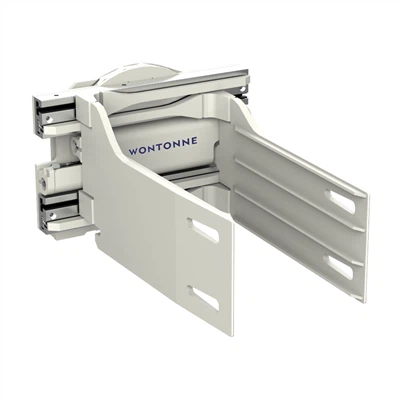
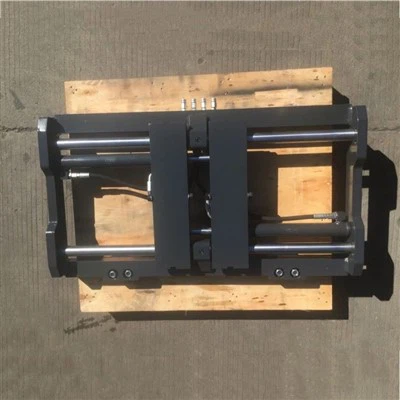
Side shifters are essential attachments in the material handling industry, offering enhanced flexibility and efficiency in moving loads. As a leading side shifters supplier, I have witnessed firsthand the transformative impact these devices can have on various operations. In this blog post, I will share some of the best practices for using side shifters to maximize their performance and longevity.
Understanding Side Shifters
Before delving into the best practices, it's crucial to understand what side shifters are and how they work. Side shifters are hydraulic attachments that allow forklift operators to move the forks horizontally without repositioning the entire forklift. This feature enables precise load placement, reduces the need for multiple maneuvers, and improves overall productivity.
There are two main types of side shifters: the D Series Side Shifters and the F Series Sideshifters. The D Series Side Shifters are known for their robust construction and high load capacity, making them ideal for heavy-duty applications. On the other hand, the F Series Sideshifters are designed for lighter loads and offer a more compact and cost-effective solution.
Best Practices for Using Side Shifters
1. Pre-Operational Checks
Before using a side shifter, it's essential to conduct a thorough pre-operational check. This includes inspecting the side shifter for any signs of damage, such as cracks, leaks, or loose fittings. Check the hydraulic hoses for any signs of wear or damage and ensure that they are properly connected. Additionally, inspect the forks for any signs of wear or damage and ensure that they are securely attached to the side shifter.
2. Proper Installation
Proper installation of the side shifter is crucial for its safe and efficient operation. Ensure that the side shifter is installed according to the manufacturer's instructions and that all bolts and fittings are tightened to the recommended torque. Improper installation can lead to premature wear and tear, reduced performance, and even safety hazards.
3. Load Capacity
It's important to understand the load capacity of the side shifter and ensure that it is not exceeded. Overloading the side shifter can cause damage to the attachment, the forklift, and the load. Always refer to the manufacturer's specifications for the maximum load capacity of the side shifter and ensure that the load is evenly distributed across the forks.
4. Precise Load Placement
One of the main advantages of using a side shifter is the ability to make precise load placements. When using the side shifter, take your time and make small, incremental adjustments to ensure that the load is placed exactly where you want it. Avoid making sudden or jerky movements, as this can cause the load to shift or become unstable.
5. Maintenance and Lubrication
Regular maintenance and lubrication are essential for the proper functioning of the side shifter. Follow the manufacturer's recommended maintenance schedule and ensure that all components are properly lubricated. This includes the hydraulic cylinders, pivot points, and any other moving parts. Regular maintenance can help prevent premature wear and tear, reduce the risk of breakdowns, and extend the lifespan of the side shifter.
6. Operator Training
Proper operator training is crucial for the safe and efficient use of side shifters. Ensure that all operators are trained on the proper use and maintenance of the side shifter and that they understand the safety procedures. Operators should be familiar with the controls of the side shifter and know how to perform basic troubleshooting.
7. Safety Precautions
When using a side shifter, it's important to follow all safety precautions. This includes wearing appropriate personal protective equipment (PPE), such as safety glasses, gloves, and hard hats. Ensure that the work area is clear of any obstacles and that there is adequate space for the forklift and the side shifter to operate safely. Avoid operating the side shifter in hazardous conditions, such as on uneven surfaces or in areas with poor visibility.
Benefits of Using Side Shifters
Using side shifters offers several benefits, including:
1. Increased Productivity
Side shifters allow operators to make precise load placements without repositioning the entire forklift, which can significantly reduce the time and effort required to move loads. This can lead to increased productivity and efficiency in the workplace.
2. Improved Safety
By allowing operators to make precise load placements, side shifters can help reduce the risk of accidents and injuries. This is especially important in busy warehouses and distribution centers where there is a high volume of traffic.
3. Enhanced Flexibility
Side shifters offer enhanced flexibility in moving loads, allowing operators to handle a wider range of load sizes and shapes. This can help businesses adapt to changing customer demands and improve their competitiveness in the market.
4. Reduced Wear and Tear
By reducing the need for multiple maneuvers, side shifters can help reduce the wear and tear on the forklift and the load. This can lead to lower maintenance costs and longer equipment lifespan.
Conclusion
Side shifters are valuable attachments that can significantly improve the productivity, safety, and flexibility of material handling operations. By following the best practices outlined in this blog post, you can ensure that your side shifters are used safely and efficiently, and that they provide maximum performance and longevity.
If you're interested in learning more about our D Series Sideshifters or F Series Sideshifters, or if you have any questions about using side shifters, please don't hesitate to contact us. Our team of experts is always available to provide you with the information and support you need to make the right decision for your business.


References
- Manufacturer's specifications for D Series Side Shifters and F Series Sideshifters.
- OSHA regulations for forklift safety and operation.
- Industry best practices for material handling equipment maintenance and operation.