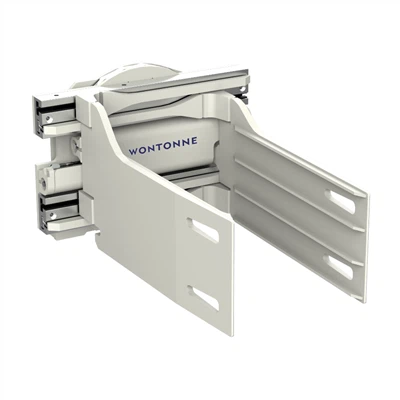
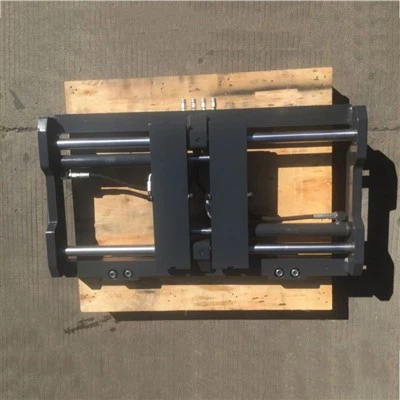
As a seasoned supplier of forklift cages, I've witnessed firsthand the critical role that effective communication plays in ensuring the safety and efficiency of operations when using a forklift cage. In this blog, I'll delve into the essential communication requirements for an operator in a forklift cage, drawing on my years of experience in the industry.
Pre - Operation Communication
Operator - Supervisor Communication
Before any forklift cage operation commences, the operator must communicate with the supervisor. This initial exchange sets the stage for a safe and successful task. The operator should receive clear instructions regarding the nature of the job, including the location where the cage will be used, the type of materials or personnel to be transported, and any specific safety protocols to follow.
For example, if the forklift cage is being used in a busy warehouse with multiple ongoing operations, the supervisor needs to inform the operator about potential hazards such as moving machinery, pedestrian traffic, or low - hanging obstacles. The operator, in turn, should communicate any concerns they may have, such as the condition of the forklift or the cage, or their level of familiarity with the task at hand.
Operator - Maintenance Team Communication
Another crucial pre - operation communication is between the operator and the maintenance team. The operator should report any previous issues or malfunctions they've noticed with the forklift cage or the forklift itself. This could include problems with the cage's locking mechanisms, the integrity of the cage structure, or any unusual noises or vibrations from the forklift.
The maintenance team, on the other hand, should provide the operator with information about the cage's maintenance history, including when it was last inspected, serviced, and any recent repairs. This communication helps to ensure that the forklift cage is in optimal working condition before it is used. For instance, if the cage was recently repaired, the maintenance team should inform the operator about the parts that were replaced and any limitations or special considerations associated with the repair.
In - Operation Communication
Operator - Ground Personnel Communication
During the operation, clear communication between the operator in the forklift cage and the ground personnel is essential. The operator should use visual and auditory signals to indicate their intentions. For example, they can use hand signals to communicate when they are about to lift, lower, or move the cage. These signals should be standardized and well - understood by all ground personnel.
Auditory signals, such as a horn or a whistle, can also be used to alert ground personnel of the cage's movement, especially in noisy environments. The operator should also maintain constant visual contact with the ground personnel to ensure that they are aware of their presence and actions.
Ground personnel, in turn, should communicate any hazards or obstacles in the path of the forklift cage to the operator. This could include unexpected debris on the floor, other moving equipment, or personnel in the area. They can use hand signals, radios, or other communication devices to convey this information.
Operator - Other Forklift Operators Communication
In a workplace where multiple forklifts are in operation, communication between forklift operators is vital. The operator in the forklift cage should be aware of the position and movement of other forklifts in the area. They can use radios or other communication systems to coordinate their movements with other operators.
For example, if two forklifts are approaching an intersection, the operators should communicate to determine who has the right - of - way. This helps to prevent collisions and ensures the smooth flow of traffic in the workplace. Additionally, if one operator notices a potential hazard that could affect other forklifts, they should immediately communicate this information to the relevant parties.
Post - Operation Communication
Operator - Supervisor Communication
After the operation is completed, the operator should communicate with the supervisor to report on the outcome of the task. This includes details about any issues or challenges they encountered during the operation, such as difficulties in maneuvering the cage, problems with the equipment, or any safety concerns.
The supervisor can use this information to evaluate the effectiveness of the operation, identify areas for improvement, and make any necessary adjustments to future operations. For example, if the operator reports that the cage was difficult to access in a particular location, the supervisor can consider re - evaluating the storage or placement of the cage in the future.
Operator - Maintenance Team Communication
The operator should also communicate with the maintenance team after the operation. They should report any new issues or damage that occurred during the use of the forklift cage. This could include scratches, dents, or any signs of wear and tear on the cage or the forklift.
The maintenance team can then schedule the necessary repairs or maintenance tasks to ensure that the equipment is ready for future use. This communication also helps to maintain an accurate record of the cage's condition over time, which is important for safety and compliance purposes.
Importance of Communication Training
To ensure that all communication requirements are met effectively, it is essential to provide comprehensive communication training to all personnel involved in forklift cage operations. This training should cover the use of standardized signals, the proper use of communication devices, and the importance of clear and timely communication.
For example, new operators should be trained on the specific hand signals and auditory signals used in the workplace, as well as how to use radios or other communication systems. Ground personnel should also receive training on how to communicate hazards and obstacles to the forklift operator.
Our Role as a Forklift Cage Supplier
As a forklift cage supplier, we understand the importance of these communication requirements. We not only provide high - quality Forklift Goods Cages and Forklift Safety Access Cages but also offer support and guidance on ensuring effective communication in forklift cage operations.
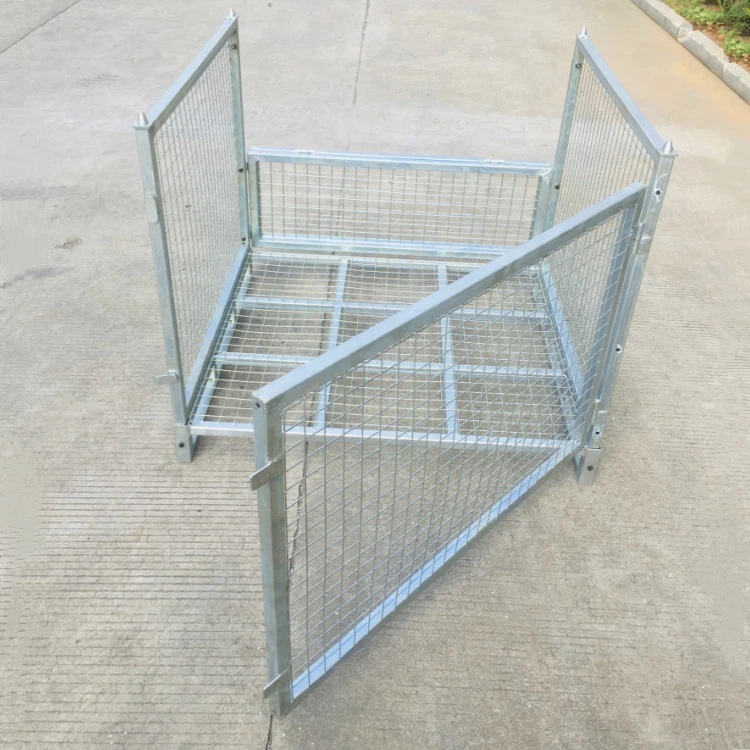

Our cages are designed with safety in mind, and we can provide information on best practices for communication to our customers. We also offer Goods Cages that are built to withstand the rigors of daily use, which helps to minimize the chances of equipment - related communication issues.
Conclusion
Effective communication is the cornerstone of safe and efficient forklift cage operations. From pre - operation to post - operation, clear and timely communication between the operator, supervisors, maintenance teams, ground personnel, and other forklift operators is essential. By understanding and implementing these communication requirements, workplaces can significantly reduce the risk of accidents and improve overall productivity.
If you're in the market for high - quality forklift cages and need more information on how to ensure effective communication in your operations, we're here to help. Reach out to us to discuss your specific needs and let's work together to create a safer and more efficient workplace.
References
- Occupational Safety and Health Administration (OSHA). Guidelines for Forklift Operations.
- National Institute for Occupational Safety and Health (NIOSH). Forklift Safety Research and Recommendations.
- Industry - specific safety standards and regulations related to forklift cage operations.