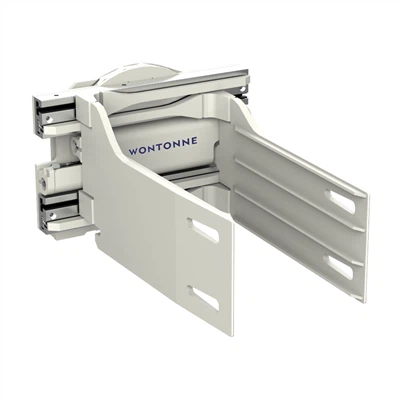
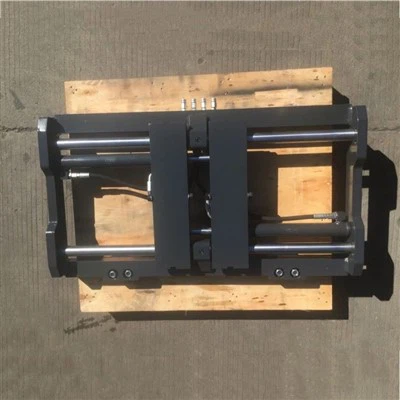
Side shifters are essential attachments in material handling operations, allowing for lateral movement of loads, which enhances efficiency and precision. As a side shifters supplier, I often receive inquiries about the installation costs of these valuable tools. In this blog post, I'll delve into the factors that influence the installation costs of side shifters and provide insights to help you make informed decisions.
Understanding Side Shifters
Before discussing installation costs, it's important to understand what side shifters are and how they work. Side shifters are hydraulic attachments that can be fitted to forklifts, reach trucks, and other material handling equipment. They enable the operator to move the load horizontally without repositioning the entire vehicle, which saves time and reduces the risk of product damage.
There are different types of side shifters available in the market, each with its own features and specifications. For example, our D Series Side Shifters are known for their durability and high load capacity, making them suitable for heavy-duty applications. The SSS25F Sideshifters are designed for medium-duty operations, offering a balance between performance and cost. And the E Series Sideshifters are lightweight and compact, ideal for applications where space is limited.
Factors Affecting Installation Costs
The installation costs of side shifters can vary significantly depending on several factors. Here are some of the key factors that you need to consider:
1. Type of Side Shifter
As mentioned earlier, different types of side shifters have different features and specifications, which can affect the installation costs. For example, a heavy-duty side shifter with a high load capacity may require more complex installation procedures and additional components, such as stronger mounting brackets and larger hydraulic hoses. On the other hand, a lightweight and compact side shifter may be easier to install and require fewer components.


2. Compatibility with the Equipment
The compatibility of the side shifter with your existing material handling equipment is another important factor to consider. If the side shifter is not compatible with your equipment, it may require modifications or additional parts to ensure a proper fit. This can increase the installation costs significantly. Therefore, it's crucial to choose a side shifter that is specifically designed for your equipment model and make.
3. Installation Location
The location where the side shifter will be installed can also affect the installation costs. If the installation is taking place in a remote or hard-to-reach location, it may require additional transportation and labor costs. In addition, if the installation site has limited space or difficult working conditions, it may require more time and effort to complete the installation, which can also increase the costs.
4. Labor Costs
The labor costs associated with the installation of side shifters can vary depending on the complexity of the installation and the experience of the installation team. A professional installation team with extensive experience in installing side shifters will typically charge more than a less experienced team. However, it's important to remember that paying for a professional installation can ensure that the side shifter is installed correctly and safely, which can save you money in the long run by reducing the risk of downtime and costly repairs.
5. Additional Components and Accessories
In some cases, you may need to purchase additional components and accessories to complete the installation of the side shifter. For example, you may need to purchase hydraulic hoses, fittings, and mounting brackets. The cost of these additional components and accessories can add up quickly, so it's important to factor them into your budget when calculating the total installation costs.
Estimating the Installation Costs
Based on the factors mentioned above, it's difficult to provide an exact estimate of the installation costs of side shifters. However, I can provide you with a general range of costs to give you an idea of what to expect.
On average, the installation costs of side shifters can range from $500 to $2,000, depending on the type of side shifter, the compatibility with your equipment, the installation location, the labor costs, and the additional components and accessories required. For example, a basic side shifter for a small forklift may cost around $500 to install, while a heavy-duty side shifter for a large reach truck may cost up to $2,000 to install.
It's important to note that these are just rough estimates, and the actual installation costs may be higher or lower depending on your specific requirements and circumstances. Therefore, it's always a good idea to get a detailed quote from a professional installation team before making a decision.
Tips for Reducing Installation Costs
If you're looking to reduce the installation costs of side shifters, here are some tips that you can follow:
1. Choose the Right Side Shifter
As mentioned earlier, choosing the right side shifter for your equipment is crucial to ensuring a proper fit and reducing the need for modifications or additional parts. Therefore, it's important to do your research and choose a side shifter that is specifically designed for your equipment model and make.
2. Compare Quotes from Different Installation Teams
Before hiring an installation team, it's a good idea to compare quotes from different companies to ensure that you're getting the best value for your money. Make sure to ask for a detailed breakdown of the costs, including the labor costs, the cost of the side shifter, and the cost of any additional components and accessories.
3. Consider DIY Installation
If you have the necessary skills and experience, you may be able to install the side shifter yourself. However, it's important to note that installing a side shifter can be a complex and dangerous task, so it's important to follow the manufacturer's instructions carefully and take all necessary safety precautions. In addition, if you make a mistake during the installation, it could void the warranty of the side shifter and cause serious damage to your equipment.
4. Plan Ahead
If you're planning to install a side shifter, it's important to plan ahead and make sure that you have all the necessary components and accessories before the installation begins. This can help to reduce the installation time and costs by avoiding delays and additional trips to the hardware store.
Conclusion
In conclusion, the installation costs of side shifters can vary significantly depending on several factors, including the type of side shifter, the compatibility with your equipment, the installation location, the labor costs, and the additional components and accessories required. By understanding these factors and following the tips mentioned above, you can make informed decisions and reduce the installation costs of side shifters.
If you're interested in purchasing a side shifter or have any questions about the installation costs, please don't hesitate to contact us. Our team of experts will be happy to assist you and provide you with a detailed quote based on your specific requirements. We look forward to hearing from you and helping you improve the efficiency and productivity of your material handling operations.
References
- Forklift Attachments Handbook, Material Handling Industry of America
- Hydraulic Systems and Components, Parker Hannifin Corporation