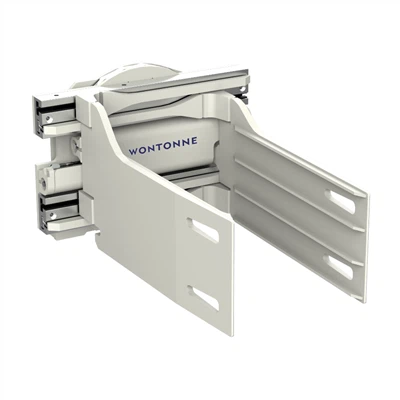
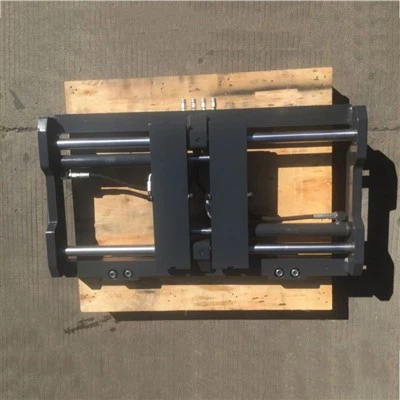
Hey there! As a side shifters supplier, I've had my fair share of experiences with these nifty attachments. Side shifters are super useful in the material handling industry, allowing operators to move loads horizontally without repositioning the entire forklift. But like any piece of equipment, they've got their limitations. Let's dive in and take a closer look.
1. Load Capacity Limitations
One of the most significant limitations of side shifters is their impact on the forklift's load capacity. When you attach a side shifter to a forklift, you're essentially adding extra weight to the front end. This additional weight reduces the forklift's overall load-bearing capacity.
For example, if a forklift has a rated capacity of 5,000 pounds without a side shifter, adding a side shifter might reduce that capacity to 4,500 pounds or even less, depending on the model and design of the side shifter. This means you can't lift as heavy loads as you could without the side shifter.
It's crucial for operators and warehouse managers to be aware of these capacity reductions. Overloading a forklift with a side shifter can lead to instability, which is a major safety hazard. It can also cause premature wear and tear on the forklift and the side shifter itself. So, always check the manufacturer's specifications to determine the new load capacity when using a side shifter.
2. Reduced Reach and Clearance
Side shifters can also limit the forklift's reach and clearance. The additional width of the side shifter means that there's less space between the forks and the sides of the load or the surrounding environment. This can make it more challenging to maneuver the forklift in tight spaces.
For instance, in a narrow aisle warehouse, the side shifter might prevent the forklift from getting as close to the racking as it could without the attachment. This could result in longer picking times and reduced efficiency.
Moreover, the side shifter's height can also affect the forklift's clearance. If the side shifter is too tall, it might hit overhead obstacles, such as sprinkler systems or low ceilings. This can damage the equipment and pose a safety risk to the operator.
3. Maintenance and Repair Challenges
Maintaining and repairing side shifters can be more complex and costly compared to standard forklift operations. Side shifters have additional hydraulic components, such as cylinders and hoses, which are prone to leaks and failures.
Hydraulic leaks can be messy and can contaminate the warehouse floor. They can also lead to a loss of hydraulic pressure, which can affect the side shifter's performance. Repairing these leaks often requires specialized tools and knowledge, which means you might need to hire a professional technician.
In addition, the moving parts of the side shifter, such as the slides and bearings, can wear out over time. Regular maintenance, including lubrication and inspection, is essential to prevent premature wear. However, this maintenance can be time-consuming and may require the forklift to be taken out of service.
4. Compatibility Issues
Not all side shifters are compatible with every forklift model. There are different mounting styles, hydraulic connections, and load capacities to consider. Installing an incompatible side shifter can lead to poor performance and safety issues.


For example, if the mounting brackets don't fit properly, the side shifter might not be securely attached to the forklift. This can cause the side shifter to shift or even detach during operation, which is extremely dangerous.
It's important to work with a reputable supplier who can help you select the right side shifter for your forklift. At our company, we offer a wide range of side shifters, including the G Series Fork Positioner, F Series Sideshifters, and FPS30G Fork Positioner. Our team of experts can assist you in finding the perfect fit for your specific needs.
5. Cost Considerations
Side shifters can be a significant investment. In addition to the purchase price, there are also installation costs, maintenance costs, and potential repair costs to consider.
The initial cost of a side shifter can vary depending on the size, capacity, and features. High-quality side shifters with advanced hydraulic systems and durable construction tend to be more expensive. However, it's important to remember that a cheaper side shifter might not offer the same level of performance and reliability.
Installation costs can also add up, especially if the forklift needs to be modified to accommodate the side shifter. And as mentioned earlier, maintenance and repair costs can be ongoing expenses. So, it's essential to factor in all these costs when deciding whether to invest in a side shifter.
6. Operator Training Requirements
Using a side shifter requires additional operator training. Operators need to learn how to operate the side shifter safely and efficiently. They need to understand the limitations of the side shifter and how it affects the forklift's performance.
For example, operators need to know how to adjust the side shifter's position to align the forks with the load properly. They also need to be aware of the reduced load capacity and how to handle loads safely within those limits.
Providing comprehensive operator training can be time-consuming and costly for companies. However, it's a necessary investment to ensure the safety of the operators and the efficient operation of the forklift and the side shifter.
Conclusion
Despite these limitations, side shifters are still valuable tools in the material handling industry. They can improve productivity and efficiency in many applications, such as loading and unloading trucks, stacking pallets, and picking orders in warehouses.
If you're considering purchasing a side shifter, it's important to weigh the benefits against the limitations. Evaluate your specific needs and requirements, and work with a trusted supplier who can help you choose the right side shifter for your forklift.
At our company, we're committed to providing high-quality side shifters and excellent customer service. We understand the challenges that come with using side shifters, and we're here to help you overcome them. If you have any questions or are interested in purchasing a side shifter, please don't hesitate to contact us. We'd be happy to discuss your needs and provide you with a customized solution.
Let's work together to make your material handling operations safer and more efficient!
References
- Forklift Operator's Manuals
- Side Shifter Manufacturer's Specifications
- Industry Research Reports on Material Handling Equipment