Hey there! As a push pull forklift supplier, I'm super stoked to dive into the main components of these nifty machines. Push pull forklifts are game - changers in the material handling world, and understanding their components can help you make the best choice for your business.
Let's start with the frame. It's like the backbone of the push pull forklift. The frame is designed to support all the other components and withstand the stresses of daily operation. It needs to be sturdy and well - built because it has to handle the weight of the load, the power unit, and all the moving parts. A good frame is made from high - quality steel, which gives it the strength and durability it needs. Whether you're working in a warehouse, a distribution center, or a manufacturing plant, a solid frame ensures that your forklift can keep going strong.
Next up is the power unit. There are a few different types of power units for push pull forklifts. You've got electric, diesel, and propane options. Electric power units are great for indoor use. They're quiet, produce zero emissions, and are relatively easy to maintain. Diesel power units, on the other hand, pack a lot of power. They're ideal for outdoor applications where you need to move heavy loads over longer distances. Propane power units offer a nice middle ground. They're cleaner than diesel and more powerful than electric in some cases. The choice of power unit really depends on your specific needs and the environment in which the forklift will be used.
Now, let's talk about the mast. The mast is the vertical assembly that allows the forklift to lift and lower loads. It's a crucial component because it determines how high you can lift your goods. There are different types of masts, such as single - stage, two - stage, and three - stage masts. Single - stage masts are the simplest and are usually used for lower lifting heights. Two - stage and three - stage masts can lift loads much higher, which is great for tall warehouses. The mast is operated by hydraulic cylinders, which use hydraulic fluid to create the force needed to raise and lower the load.
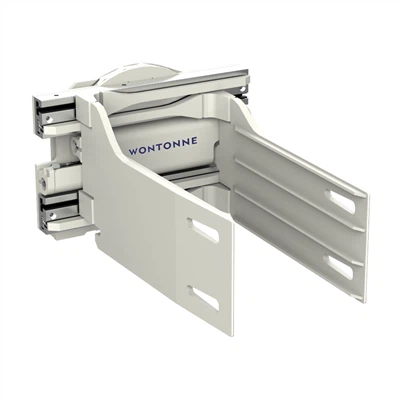
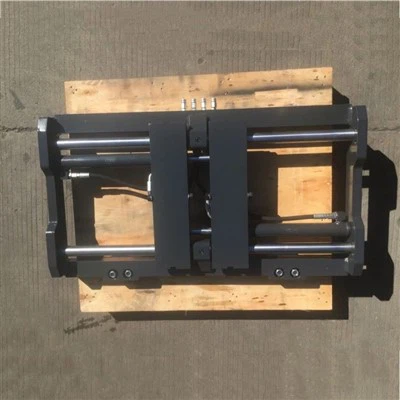
The push pull attachment is, of course, a key part of these forklifts. This attachment is what sets push pull forklifts apart from regular forklifts. It allows you to handle loads that are on slip sheets instead of pallets. Slip sheets are thinner and lighter than pallets, which means you can save on storage space and transportation costs. There are different types of push pull attachments available. For example, the Quick Fork Mount Push Pull - Sheet Save Types is designed to be easily mounted on the forks of the forklift and is great for handling various types of slip - sheeted loads. The Bag Load Push attachment is specifically designed for handling bags, such as those used in the agricultural or food industries. And the Quick Fork Mount Push Pull is a versatile option that can be used in a wide range of applications.
The hydraulic system is another vital component. It's responsible for powering the mast, the push pull attachment, and other moving parts of the forklift. The hydraulic system consists of a hydraulic pump, hydraulic cylinders, valves, and hoses. The pump creates pressure in the hydraulic fluid, which is then used to move the cylinders. The valves control the flow of the fluid, and the hoses transport the fluid throughout the system. A well - maintained hydraulic system is essential for the smooth operation of the forklift. If there are any leaks or malfunctions in the hydraulic system, it can lead to reduced performance and even safety issues.
The operator's compartment is also an important part of the push pull forklift. It needs to be comfortable and ergonomic so that the operator can work efficiently for long periods. The compartment usually includes a seat, a steering wheel, pedals, and a control panel. The seat should be adjustable to fit different operators, and the controls should be easy to reach and operate. Good visibility is also crucial, so the operator can see the load and the surrounding area clearly.
The wheels and tires are often overlooked but are essential for the movement of the forklift. There are different types of wheels and tires available, depending on the application. Solid tires are great for indoor use because they're durable and puncture - resistant. Pneumatic tires, on the other hand, are better for outdoor use because they provide a smoother ride and better traction on uneven surfaces.
The control system is what allows the operator to control the movement and functions of the forklift. It includes the steering controls, the lift and lower controls, and the controls for the push pull attachment. The control system should be intuitive and easy to use, so the operator can quickly and accurately perform the required tasks.
In addition to these main components, there are also safety features on push pull forklifts. These include seat belts, horn, lights, and warning signs. Safety should always be a top priority when operating a forklift, and these features help to ensure the well - being of the operator and those around the forklift.


So, there you have it - the main components of a push pull forklift. Whether you're in the market for a new forklift or just want to learn more about these machines, understanding these components can help you make an informed decision. If you're interested in purchasing a push pull forklift or have any questions about our products, feel free to reach out to us. We're here to help you find the perfect forklift for your business needs.
References:
- General knowledge from the material handling industry
- Product manuals and specifications of push pull forklifts