In the industrial landscape, cranes are indispensable workhorses, facilitating the movement of heavy loads across various sectors. As a crane supplier, I've witnessed firsthand the critical role these machines play in construction, manufacturing, and logistics. However, cranes face a multitude of threats that can compromise their performance, safety, and longevity. Understanding these threats is crucial for operators, maintenance teams, and decision - makers to ensure the smooth and safe operation of these vital pieces of equipment.
1. Mechanical Wear and Tear
One of the most common and persistent threats to cranes is mechanical wear and tear. Cranes are constantly subjected to high - stress operations, such as lifting, lowering, and moving heavy loads. The repeated use of components like cables, pulleys, gears, and hydraulic systems leads to gradual deterioration.
Cables, for instance, are under immense tension during lifting operations. Over time, the friction between the cable and the pulleys causes the outer layer of the cable to fray. This not only weakens the cable but also increases the risk of sudden breakage, which can be catastrophic. Similarly, gears in the crane's transmission system experience significant wear due to the high torque and rotational forces. Worn - out gears can lead to inefficient power transfer, increased noise, and eventually, mechanical failure.
To mitigate the effects of mechanical wear and tear, regular maintenance is essential. This includes lubricating moving parts, inspecting cables for signs of damage, and replacing worn - out components in a timely manner. At our company, we offer comprehensive maintenance services and high - quality replacement parts to ensure that our customers' cranes remain in optimal condition.
2. Environmental Factors
Cranes are often exposed to harsh environmental conditions, which can have a detrimental impact on their performance and durability. Extreme temperatures, humidity, and corrosive substances are some of the key environmental threats.
In cold climates, the performance of hydraulic fluids can be severely affected. Low temperatures can cause the fluid to thicken, reducing its flow rate and making it difficult for the hydraulic system to operate smoothly. This can lead to slower lifting and lowering speeds, as well as increased energy consumption. On the other hand, high temperatures can cause the fluid to thin out, resulting in reduced lubrication and increased wear on hydraulic components.
Humidity and exposure to water can also lead to corrosion, especially in areas where the crane's metal surfaces are not properly protected. Corrosion weakens the structural integrity of the crane, making it more susceptible to failure. In coastal areas or industrial settings where there are corrosive chemicals in the air, the problem is even more pronounced.
To combat environmental threats, cranes need to be designed and constructed with appropriate materials and protective coatings. For example, using stainless steel or galvanized components can help prevent corrosion. Additionally, we offer climate - controlled storage solutions and specialized coatings for our cranes to enhance their resistance to environmental factors.
3. Operator Error
Operator error is another significant threat to cranes. Inexperienced or careless operators can make mistakes that lead to accidents, damage to the crane, and even endanger the lives of workers on the site.
Overloading is a common operator error. Every crane has a specified maximum load capacity, and exceeding this limit can put excessive stress on the crane's structure and components. This can cause structural failure, such as the collapse of the boom or the breakage of cables. Operators may also misjudge the weight of the load or fail to consider the dynamic forces involved during lifting operations.
Improper operation of the crane's controls can also lead to problems. For example, sudden starts and stops can cause the load to swing uncontrollably, increasing the risk of collisions with other objects or workers. Incorrect positioning of the crane can also result in instability, especially on uneven ground.
To address operator error, proper training is crucial. We provide comprehensive training programs for crane operators, covering topics such as load capacity, safe operation procedures, and emergency response. Our training courses are designed to ensure that operators have the knowledge and skills necessary to operate cranes safely and efficiently.
4. Electrical System Failures
Modern cranes rely heavily on electrical systems for control, monitoring, and operation. Electrical system failures can disrupt the normal functioning of the crane and pose a significant safety risk.
Faulty wiring, loose connections, and damaged electrical components can cause short circuits, power outages, or erratic behavior of the crane's controls. In some cases, electrical failures can also lead to fires, which can be extremely dangerous in an industrial environment.
The electrical systems in cranes are also vulnerable to electromagnetic interference (EMI) from other equipment on the site. EMI can disrupt the signals in the control system, causing the crane to malfunction.
Regular inspection and maintenance of the electrical system are essential to prevent failures. This includes checking for loose connections, testing electrical components, and ensuring proper grounding. We offer advanced diagnostic tools and electrical system maintenance services to keep our customers' cranes' electrical systems in top condition.
5. Regulatory and Compliance Issues
The crane industry is subject to a wide range of regulations and standards aimed at ensuring safety and environmental protection. Failure to comply with these regulations can result in fines, legal liabilities, and reputational damage.

Regulatory requirements cover various aspects of crane operation, including design, manufacturing, installation, maintenance, and operator training. For example, cranes must meet specific safety standards regarding load capacity, stability, and emergency stop systems. There are also regulations governing the disposal of hazardous materials used in cranes, such as hydraulic fluids and batteries.
Staying up - to - date with the latest regulations and ensuring compliance can be a challenge for crane owners and operators. At our company, we have a team of experts who are well - versed in the relevant regulations and can assist our customers in ensuring that their cranes meet all the necessary requirements.
6. Technological Obsolescence
As technology advances at a rapid pace, cranes face the threat of technological obsolescence. Newer models of cranes often come with advanced features such as improved control systems, higher load capacities, and better energy efficiency.
Older cranes may lack these features, making them less competitive in the market. They may also be less reliable and more expensive to operate and maintain. For example, older cranes may have less sophisticated safety systems, increasing the risk of accidents.
To address the issue of technological obsolescence, we offer upgrade services for our customers' existing cranes. We can retrofit older cranes with the latest technology, such as advanced control systems and monitoring devices, to improve their performance and safety.
Conclusion
In conclusion, cranes face a wide range of threats, including mechanical wear and tear, environmental factors, operator error, electrical system failures, regulatory and compliance issues, and technological obsolescence. As a crane supplier, it is our responsibility to help our customers identify and address these threats to ensure the safe and efficient operation of their cranes.
We offer a comprehensive range of products and services to meet the diverse needs of our customers. From high - quality cranes and replacement parts to maintenance services, operator training, and crane upgrades, we are committed to providing the best solutions in the industry.
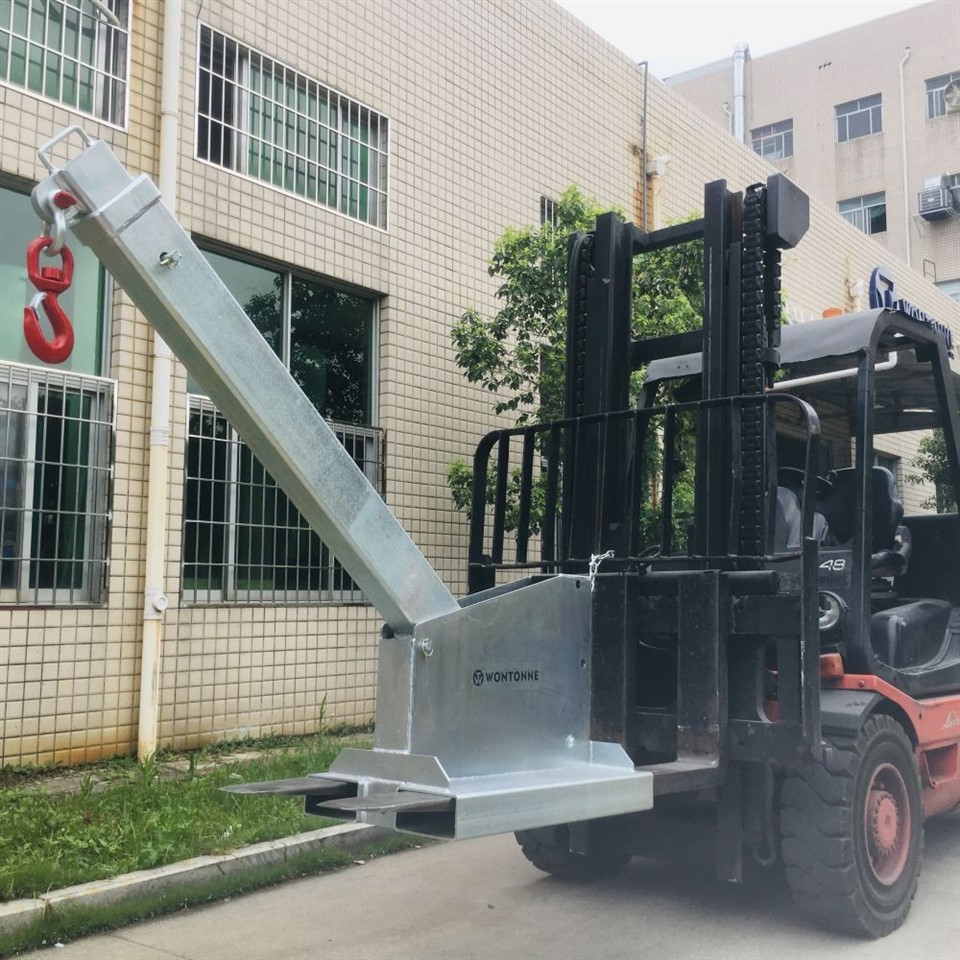
If you are in the market for a new crane or need maintenance, training, or upgrade services for your existing equipment, we invite you to [Contact us for procurement and negotiation]. Our team of experts is ready to assist you in finding the right solutions for your specific requirements. We also offer a wide range of crane attachments, such as the Forklift Mounted Jib Crane and Forklift Crane Hook Attachment, which can enhance the functionality of your cranes.
References
- "Crane Safety Handbook", Industrial Press Inc.
- "Environmental Impact on Heavy Machinery", Journal of Industrial Engineering
- "Electrical Systems in Cranes: Design and Maintenance", IEEE Transactions on Industrial Electronics