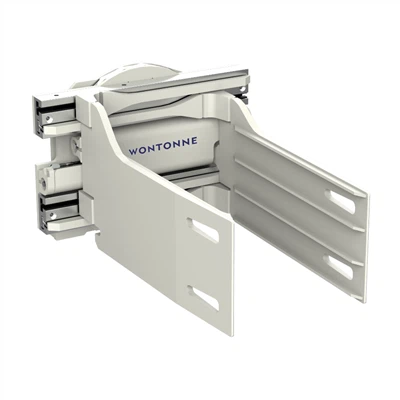
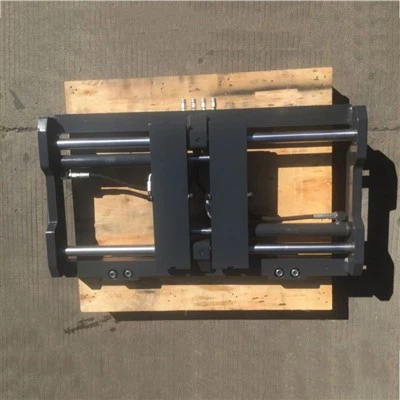
Push pull forklifts are indispensable tools in various industries, known for their efficiency in handling loads on slip sheets. As a trusted push pull forklift supplier, we understand the importance of proper maintenance to ensure the longevity and optimal performance of these machines. In this blog post, we will delve into the maintenance requirements for a push pull forklift, providing you with valuable insights to keep your equipment in top - notch condition.
Regular Visual Inspections
One of the most fundamental maintenance steps is conducting regular visual inspections. Before each use, operators should visually examine the push pull forklift for any signs of damage or wear. Check the hydraulic hoses for leaks, cracks, or abrasions. Damaged hoses can lead to hydraulic fluid loss, which not only affects the performance of the forklift but also poses a safety hazard. Inspect the forks and the push - pull attachment for any signs of bending, cracking, or excessive wear. Bent forks can cause uneven load distribution, increasing the risk of load instability during operation.
The structural components of the forklift, such as the frame and mast, should also be inspected. Look for any signs of corrosion, dents, or weld failures. Corrosion can weaken the structural integrity of the forklift over time, while dents and weld failures can compromise its safety. Additionally, check the tires for proper inflation and any signs of damage, such as cuts or excessive tread wear. Under - inflated or damaged tires can affect the forklift's maneuverability and stability.
Hydraulic System Maintenance
The hydraulic system is the heart of a push pull forklift, responsible for powering the lifting, pushing, and pulling functions. Regular maintenance of the hydraulic system is crucial to ensure smooth operation. First and foremost, check the hydraulic fluid level regularly. Low fluid levels can cause the hydraulic pump to overheat and lead to premature component failure. Use the recommended hydraulic fluid specified by the manufacturer, as different forklifts may require different types of fluids.
Change the hydraulic fluid and filter at the intervals recommended by the manufacturer. Over time, the hydraulic fluid can become contaminated with dirt, debris, and moisture, which can damage the hydraulic components. A clogged filter can also restrict the flow of hydraulic fluid, reducing the efficiency of the system. When changing the fluid and filter, follow the proper procedures to avoid introducing contaminants into the system.
Inspect the hydraulic cylinders for leaks and proper operation. The cylinders are responsible for extending and retracting the forks and the push - pull attachment. Any signs of leakage around the cylinder seals should be addressed immediately. Leaking seals can cause a loss of hydraulic pressure, resulting in reduced lifting capacity and poor performance.
Lubrication
Proper lubrication is essential for the smooth operation of the moving parts in a push pull forklift. Lubricate the pivot points, joints, and bearings regularly according to the manufacturer's recommendations. Use the appropriate lubricants for each component. For example, some components may require grease, while others may need oil.
Lubrication reduces friction between moving parts, which in turn reduces wear and tear. It also helps to prevent corrosion and extends the lifespan of the components. Neglecting lubrication can lead to increased energy consumption, premature component failure, and costly repairs.
Electrical System Maintenance
The electrical system of a push pull forklift powers the lights, horn, control panels, and other electrical components. Inspect the battery regularly for proper charge and electrolyte levels (if it is a lead - acid battery). A weak or dead battery can prevent the forklift from starting or cause electrical malfunctions. Clean the battery terminals to prevent corrosion, which can interfere with the electrical connection.


Check the wiring harnesses for any signs of damage, such as frayed wires or loose connections. Damaged wiring can cause short circuits, electrical fires, or component failures. Ensure that all electrical switches and controls are functioning properly. Faulty switches can lead to erratic operation of the forklift, posing a safety risk.
Attachment Maintenance
As a push pull forklift supplier, we offer a variety of attachments, such as Standard Push Pull - Sheet Save Types, PPS20E Standard Push Pull - Without Sheet Save Types, and Bag Load Push. These attachments require specific maintenance.
Inspect the attachment for any signs of damage, such as bent or broken parts. Clean the attachment regularly to remove dirt, debris, and product residue. This is especially important for attachments used in industries where there is a lot of dust or sticky substances. Lubricate the moving parts of the attachment, such as the rollers and hinges, to ensure smooth operation.
Operator Training and Safety
Proper operator training is an integral part of forklift maintenance. Well - trained operators are more likely to operate the forklift correctly, which reduces the risk of damage and premature wear. Operators should be trained on the proper use of the push pull forklift, including how to handle different types of loads, how to operate the controls safely, and how to perform basic pre - use inspections.
Safety is also a top priority. Ensure that operators wear the appropriate personal protective equipment (PPE), such as hard hats, safety shoes, and high - visibility vests. Provide a safe working environment for the forklift operation, including clear aisles, proper lighting, and well - marked load - storage areas.
Scheduled Maintenance and Records
Establish a scheduled maintenance program for your push pull forklift. This program should include regular inspections, fluid changes, filter replacements, and other maintenance tasks at specific intervals. Following a scheduled maintenance program helps to prevent breakdowns and ensures that the forklift is always in good working condition.
Keep detailed records of all maintenance activities, including the date of maintenance, the type of maintenance performed, and any parts that were replaced. These records can be used to track the maintenance history of the forklift, identify any recurring problems, and plan for future maintenance needs.
Conclusion
Maintaining a push pull forklift is a comprehensive process that involves regular inspections, hydraulic system maintenance, lubrication, electrical system checks, attachment maintenance, operator training, and scheduled maintenance. By following these maintenance requirements, you can extend the lifespan of your forklift, improve its performance, and reduce the risk of breakdowns and costly repairs.
As a leading push pull forklift supplier, we are committed to providing high - quality equipment and support to our customers. If you are interested in purchasing a push pull forklift or need further information on maintenance or other aspects, we encourage you to contact us for a procurement discussion. Our team of experts is ready to assist you in finding the right solution for your material - handling needs.
References
- Forklift Maintenance Manuals from leading manufacturers
- Industry standards and guidelines for forklift maintenance