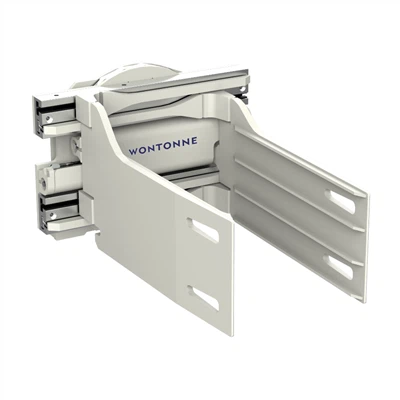
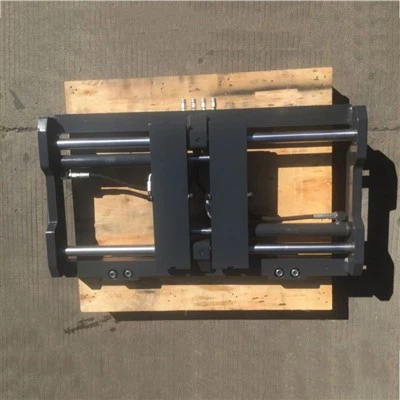
Hey there! As a supplier of Forklift Waste Bins, I often get asked about the options for forklift waste bin liners. It's a crucial topic because the right liner can make a huge difference in terms of efficiency, cost - effectiveness, and overall waste management. So, let's dive right into it and explore the various options available.
Types of Forklift Waste Bin Liners
Plastic Liners
Plastic liners are probably the most common choice for forklift waste bins. They come in different thicknesses, typically measured in mils. Thinner liners, around 1 - 2 mils, are great for lightweight waste like paper, cardboard, and some types of packaging materials. They're cost - effective and easy to handle. You can find them in large rolls, and they're usually pre - perforated for easy tearing off.
On the other hand, thicker plastic liners, say 3 - 6 mils, are more suitable for heavier waste such as metal scraps, glass fragments, or wet waste. The extra thickness provides better resistance to punctures and tears, ensuring that the waste doesn't leak out during handling. Some plastic liners are also treated with anti - static properties, which is useful when dealing with waste that generates static electricity, like electronic components.
Biodegradable Liners
In recent years, there's been a growing demand for more environmentally friendly options, and biodegradable liners fit the bill. These liners are made from materials that can break down naturally over time, reducing the environmental impact. They're often made from plant - based materials like cornstarch or other renewable resources.
Biodegradable liners are a great choice for businesses that want to show their commitment to sustainability. They work well for organic waste, food scraps, and other types of waste that can be composted. However, it's important to note that they might not be as strong as traditional plastic liners, so they're better suited for lighter waste loads.
Heavy - Duty Fabric Liners
For extremely heavy or sharp waste, heavy - duty fabric liners are a top option. These liners are made from tough materials like canvas or industrial - grade nylon. They can withstand a lot of abuse, including sharp edges and heavy weights.
Heavy - duty fabric liners are often used in industries such as construction, manufacturing, and mining. They're reusable, which can save money in the long run. After use, they can be cleaned and reused multiple times. Some fabric liners also come with reinforced edges and corners to further enhance their durability.
Factors to Consider When Choosing Liners
Waste Type
The type of waste you're dealing with is the most important factor. As mentioned earlier, lightweight waste can be handled with thinner plastic or biodegradable liners, while heavy or sharp waste requires thicker plastic or fabric liners. For example, if you're in the food service industry, biodegradable liners for food waste would be a great choice. But if you're in a metal fabrication shop, heavy - duty plastic or fabric liners would be more appropriate.
Bin Size
The size of your forklift waste bin also matters. Liners need to fit properly inside the bin to prevent any waste from spilling out. Make sure to measure the dimensions of your bin accurately before purchasing liners. Some liners come in standard sizes, while others can be custom - made to fit specific bin dimensions.
Cost
Cost is always a consideration. Plastic liners are generally the most affordable option, especially for large - scale use. Biodegradable liners tend to be a bit more expensive due to the cost of the raw materials and the manufacturing process. Heavy - duty fabric liners are usually the most expensive upfront, but their reusability can offset the initial cost over time.
Compatibility with Forklift Waste Bins
It's essential to ensure that the liners you choose are compatible with your Forklift Waste Bins. Different types of bins may have different requirements. For example, Drop Bottom Bins need liners that can easily be removed when the bottom drops. Liners should also be able to withstand the movement and handling associated with forklift - operated bins.
If you're using Forklift Hook Bins, the liners should not interfere with the hooking mechanism. They should fit snugly inside the bin without getting caught on the hooks.
Maintenance and Disposal
Proper maintenance and disposal of liners are also important. Plastic and biodegradable liners are usually single - use and should be disposed of according to local waste management regulations. Biodegradable liners can often be composted, which is a great way to reduce waste.


Heavy - duty fabric liners, on the other hand, require regular cleaning. You can wash them using industrial - grade detergents and let them dry thoroughly before reuse. This not only extends their lifespan but also ensures that they remain hygienic.
Conclusion
In conclusion, there are several options for forklift waste bin liners, each with its own advantages and disadvantages. The key is to understand your specific needs in terms of waste type, bin size, and budget. Whether you choose plastic, biodegradable, or heavy - duty fabric liners, make sure they're compatible with your forklift waste bins.
If you're looking for high - quality forklift waste bins and suitable liners, we're here to help. We offer a wide range of products to meet your waste management needs. Don't hesitate to reach out to us if you have any questions or if you're interested in discussing your procurement options. We're always happy to have a chat and find the best solutions for you.
References
- Industry research on waste management practices
- Manufacturer specifications for forklift waste bin liners
- Environmental guidelines for waste disposal and liner materials