

Forklift cages are essential equipment in various industrial settings, providing a safe and efficient way to lift workers or goods to elevated positions. As a reputable forklift cage supplier, I understand the importance of adhering to strict regulations when using these cages. In this blog post, I will discuss the key regulations for using a forklift cage to ensure the safety of operators and workers.
1. Operator Training and Certification
One of the most fundamental regulations for using a forklift cage is that the forklift operator must be properly trained and certified. Operating a forklift with a cage attached requires specific skills and knowledge to ensure safe handling. The operator should be trained on the following aspects:

- Forklift Operation: A thorough understanding of basic forklift operation, including controls, steering, and maneuvering, is essential. The operator must be able to operate the forklift safely in different environments and conditions.
- Cage Attachment: The operator should be trained on how to properly attach and detach the forklift cage to the forklift. This includes ensuring that the cage is securely fastened and that all safety mechanisms are in place.
- Load Capacity: Understanding the load capacity of both the forklift and the cage is crucial. Overloading can lead to instability and potential accidents. The operator must be able to calculate the total weight of the cage, the workers or goods inside, and any additional equipment, and ensure that it does not exceed the rated capacity.
- Safety Procedures: The operator should be familiar with all safety procedures related to using the forklift cage. This includes pre - operation inspections, emergency procedures, and safe working practices.
2. Pre - Operation Inspections
Before using a forklift cage, a comprehensive pre - operation inspection must be carried out. This inspection helps to identify any potential safety hazards and ensures that the cage is in good working condition. The following checks should be performed:
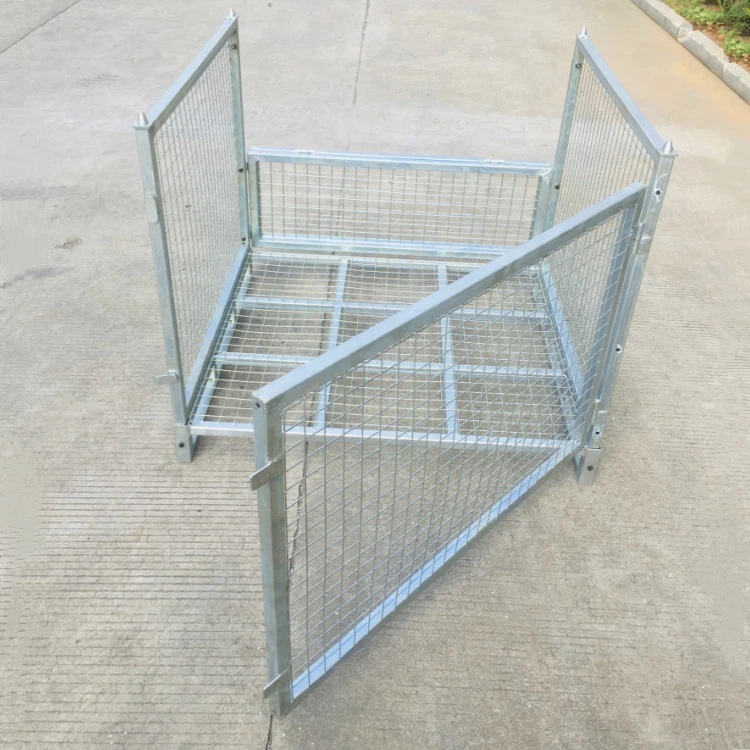
- Cage Structure: Inspect the cage for any signs of damage, such as cracks, bent bars, or loose welds. The structure should be strong and stable to support the intended load.
- Doors and Gates: Ensure that all doors and gates are functioning properly and can be securely locked. They should open and close smoothly without any obstructions.
- Safety Rails: Check that the safety rails around the cage are in place and at the appropriate height. They should be strong enough to prevent workers from falling out.
- Fork Attachments: Examine the fork attachments on the cage to ensure that they fit securely onto the forklift forks. There should be no signs of wear or damage that could affect the attachment's stability.
- Guardrails and Toe Boards: Verify that guardrails and toe boards are installed correctly. Guardrails provide a physical barrier to prevent falls, while toe boards prevent objects from falling off the cage.
3. Load Capacity and Distribution
Proper management of load capacity and distribution is vital when using a forklift cage. As mentioned earlier, the total weight of the cage, the occupants, and any equipment must not exceed the rated capacity of the forklift and the cage. Additionally, the load should be evenly distributed within the cage to maintain stability.
- Occupant Limits: If the cage is designed for carrying workers, there should be a clearly marked maximum number of occupants. Overcrowding can increase the risk of accidents and make it difficult for workers to move safely.
- Goods Placement: When using the cage to transport goods, the goods should be stacked evenly and secured to prevent shifting during lifting and movement. Unevenly distributed loads can cause the forklift to tip over.
4. Workplace Safety
The workplace environment also plays a significant role in ensuring the safe use of forklift cages. The following safety measures should be in place:
- Clear Work Area: The area where the forklift cage will be used should be clear of any obstacles, debris, or other hazards. This includes ensuring that there is enough space for the forklift to maneuver safely.
- Overhead Clearance: Check for adequate overhead clearance to prevent the cage from hitting any structures or objects during lifting. This is especially important in areas with low ceilings or overhead pipes.
- Floor Conditions: The floor should be level, stable, and able to support the weight of the forklift and the cage. Uneven or slippery floors can increase the risk of accidents.
- Communication: There should be clear communication between the forklift operator and the workers in the cage. This can be achieved through the use of hand signals, radios, or other communication devices.
5. Personal Protective Equipment (PPE)
Workers using a forklift cage must wear appropriate personal protective equipment (PPE). This includes:
- Safety Helmets: A safety helmet protects the worker's head from potential impacts, such as falling objects.
- Safety Harnesses: If the cage is used at a significant height, workers should wear safety harnesses that are properly attached to a secure anchor point within the cage. This provides an additional layer of protection in case of a fall.
- Non - Slip Footwear: Non - slip footwear helps to prevent slips and falls, especially when working on the cage's surface.
6. Maintenance and Inspection Schedules
Regular maintenance and inspection of the forklift cage are essential to ensure its continued safe operation. A maintenance schedule should be established, which includes:
- Periodic Inspections: Conduct regular inspections at specified intervals, such as monthly or quarterly, depending on the frequency of use. These inspections should be more comprehensive than pre - operation checks and may involve testing safety mechanisms and structural integrity.
- Repairs and Replacements: Any damaged or worn parts should be repaired or replaced immediately. Using a cage with faulty components can pose a serious safety risk.
- Record Keeping: Keep detailed records of all inspections, maintenance, and repairs. This documentation can be used to demonstrate compliance with regulations and to track the history of the cage's maintenance.
Our Forklift Cage Products
As a forklift cage supplier, we offer a wide range of high - quality forklift cages to meet different industrial needs. Our Forklift Safety Access Cage is designed to provide a safe and secure platform for workers to access elevated areas. It is built with strong materials and features reliable safety mechanisms.
We also have Goods Cages and Forklift Goods Cages that are ideal for transporting various types of goods. These cages are designed to withstand heavy loads and are easy to attach to forklifts.
Contact Us for Procurement
If you are in the market for a reliable forklift cage, we invite you to contact us for procurement. Our team of experts can provide you with detailed information about our products, help you choose the right cage for your specific needs, and answer any questions you may have regarding regulations and safety. We are committed to providing high - quality products and excellent customer service to ensure your operations are safe and efficient.
References
- OSHA (Occupational Safety and Health Administration) regulations on powered industrial trucks and forklift attachments.
- ANSI (American National Standards Institute) standards related to forklift safety and cage design.
- Industry best practices and guidelines from relevant professional organizations.





