Hey there, fellow forklift enthusiasts! As a supplier of top - notch forklift forks, I've seen it all when it comes to the ins and outs of these essential pieces of equipment. One question that pops up quite often is, "What is the correct angle for using forklift forks?" Well, let's dig into it.
First off, why does the angle of the forklift forks even matter? The angle plays a crucial role in the safety and efficiency of your forklift operations. If the forks are at the wrong angle, it can lead to unstable loads, which in turn can cause accidents, damage to goods, and even harm to operators.
When it comes to the general rule of thumb, the correct angle for the forks when approaching a load is usually a slight tilt forward. This forward tilt, typically around 3 - 5 degrees, helps the forks slide smoothly under the load. It allows the forks to get a good grip on the pallets or whatever you're lifting without jostling the load too much. Imagine trying to slide a flat object under something without a bit of an edge to guide it in. It'd be a real pain, right? That's exactly what a forward tilt does for the forks.
Now, once you've got the forks under the load, it's time to adjust the angle again. You'll want to tilt the mast backward. A backward tilt of about 10 - 15 degrees is ideal. This backward tilt helps to keep the load stable and centered over the forks. It reduces the risk of the load shifting forward and falling off while you're moving the forklift. It's like giving your load a little hug to keep it in place.
But here's the thing, these are just general guidelines. The correct angle can vary depending on a few factors. For example, the type of load you're handling makes a big difference. If you're dealing with a tall and top - heavy load, you might need a greater backward tilt to counterbalance the weight. On the other hand, if the load is short and squat, a smaller backward tilt might be sufficient.
The surface you're operating on also matters. If you're on a rough or uneven surface, you may need to adjust the fork angle more carefully to prevent the load from bouncing around. A bumpy ride can easily cause a load to shift if the forks aren't at the right angle to keep it steady.
Another factor is the type of forklift you're using. Different forklifts have different capabilities and handling characteristics. Some forklifts might be more sensitive to angle adjustments than others. It's always a good idea to consult your forklift's operator manual for specific recommendations regarding fork angles.
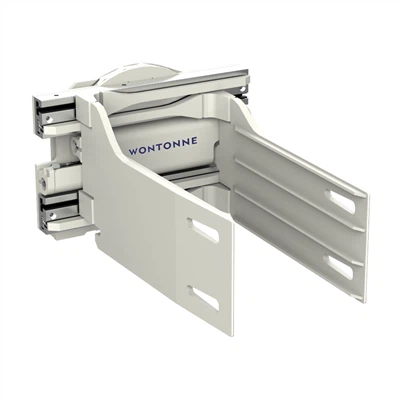
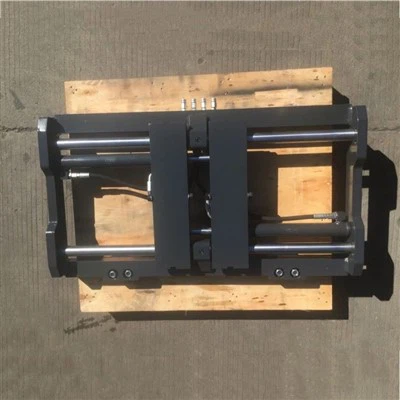
At our company, we offer a wide range of forklift forks to meet all your needs. Whether you're looking for Forklift Roller Forks, which are great for handling loads that need to be rolled on and off the forks easily, or Forklift Fork Extensions to increase the reach of your forks, we've got you covered. And if you're in the business of handling glass, our High Strength Steel Forklift Glass Handler With Mechanical American Technology Design is a real game - changer. It's designed to handle glass with precision and care, with the right fork angles built - in for maximum safety.
Proper training is essential when it comes to using the correct fork angles. Operators should be trained not only on the basic angles but also on how to adjust them based on different situations. A well - trained operator can make all the difference in preventing accidents and ensuring smooth operations.
I remember one time, a customer came to us with a problem. They were having a lot of issues with their loads falling off the forks. After a bit of investigation, we found out that their operators weren't using the correct fork angles. We provided them with some training on the proper angles and also recommended some of our specialized forks. After that, their problems were pretty much solved. They were able to increase their productivity and reduce the number of damaged goods.
To sum it up, getting the correct angle for using forklift forks is a blend of following general guidelines and making adjustments based on the specific circumstances of your operation. It's all about keeping your load stable, your operators safe, and your business running smoothly.
If you're looking to upgrade your forklift forks or need some advice on the right fork angles for your specific situation, don't hesitate to reach out. We're here to help you make the best choices for your forklift operations. Whether you're a small business just starting out or a large - scale industrial operation, we've got the expertise and the products to meet your needs. So, let's get in touch and start improving your forklift performance today!


References:
- Forklift Operator Training Manuals
- Industry Best Practices for Forklift Safety and Operation