Hey there! I'm a supplier of Turnaload Clamps, and I've been in this business for quite some time. One question I get a lot is, "What's the difference between different types of Turnaload Clamps?" Well, I'm here to break it down for you in simple terms.
Let's start with the basics. Turnaload Clamps are hydraulic attachments used mainly with forklifts. They're super handy for handling all sorts of materials, especially those that aren't on pallets. Whether you're in recycling, agriculture, or manufacturing, these clamps can make your job a whole lot easier.
No - Arm Clamps: The CNS20D Sideshifting Type
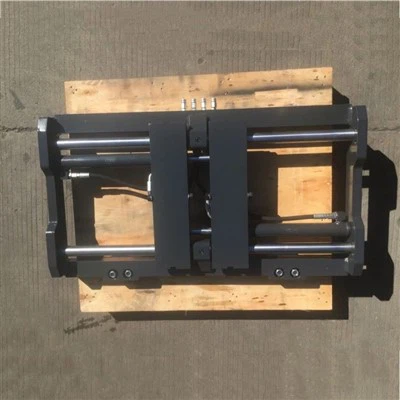
One of the popular types is the CNS20D, No - Arm Clamps, Sideshifting Type. These clamps are designed without arms, which gives them a unique advantage. They can get really close to the load, providing a more stable grip. The sideshifting feature is a game - changer. It allows you to move the clamp left or right without having to reposition the entire forklift. This is super useful when you're trying to pick up loads that are a bit off - center or when you need to place the load precisely in a tight space.
For example, in a recycling facility, you might have bales of cardboard or plastic that are stacked in a somewhat haphazard way. With the sideshifting feature of the CNS20D, you can easily adjust the clamp to pick up the bales without having to spend a lot of time maneuvering the forklift. It saves time and reduces the risk of damaging the load or the surrounding equipment.
Bale Clamps: Handling Non - Palletized Materials
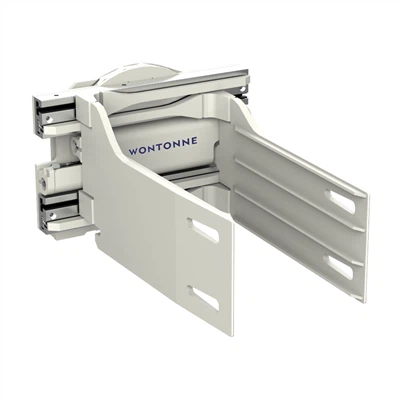
Now, let's talk about bale clamps. The Bale Clamp Forklift Attachment – Non - Palletized Material Handling For Recycling, Agriculture & Manufacturing is a great option for handling bales of various materials. These clamps are specifically designed to grip and lift bales securely. They're commonly used in industries like agriculture for handling hay bales and in recycling for handling bales of paper, plastic, or metal.
The design of bale clamps usually includes large, flat plates that can distribute the clamping force evenly across the bale. This ensures that the bale doesn't get crushed or damaged during handling. In an agricultural setting, for instance, you can use a bale clamp to load and unload hay bales onto trucks or into storage areas. It makes the process much faster and more efficient compared to using traditional forklift forks.
The PBS50G - Bale Clamp
Another type of bale clamp is the PBS50G - Bale Clamp. This clamp is a bit more heavy - duty. It's designed to handle larger and heavier bales. The PBS50G has a higher clamping force, which means it can hold bales more securely, even if they're quite large or dense.


In a manufacturing plant that produces large bales of raw materials, the PBS50G can be a real workhorse. It can lift and move these heavy bales around the facility with ease. The robust construction of the PBS50G also means it can withstand the wear and tear of regular use in a demanding industrial environment.
Key Differences in Design and Function
When it comes to the differences between these types of clamps, it all boils down to their design and intended function. The no - arm sideshifting clamps like the CNS20D are great for precision handling and working in tight spaces. They're focused on being able to adjust the position of the clamp easily to pick up loads accurately.
Bale clamps, on the other hand, are all about handling bales. They're designed to grip the bales firmly without causing damage. The PBS50G, as a heavy - duty bale clamp, takes this a step further by being able to handle larger and heavier loads.
The materials used in the construction of these clamps also vary. No - arm clamps might use lighter - weight materials to allow for easy movement and quick adjustments. Bale clamps, especially the heavy - duty ones like the PBS50G, are made from stronger and more durable materials to withstand the high clamping forces and the weight of the bales.
Maintenance and Durability
Maintenance is an important aspect to consider when choosing a Turnaload Clamp. No - arm clamps generally have a simpler design, which can make them easier to maintain. There are fewer moving parts compared to some of the more complex bale clamps. However, all clamps require regular maintenance to ensure they operate smoothly.
For bale clamps, the clamping mechanism needs to be checked regularly to make sure it's functioning properly. The hydraulic systems in all these clamps also need to be maintained. This includes checking the fluid levels, looking for leaks, and making sure the hoses and fittings are in good condition.
In terms of durability, the heavy - duty bale clamps like the PBS50G are built to last. They're designed to handle tough conditions and repeated use. But even the more lightweight no - arm clamps can be durable if they're properly maintained.
Cost Considerations
Cost is always a factor when making a purchasing decision. No - arm clamps like the CNS20D might be more affordable upfront, especially if you're on a tight budget. They're a good option for smaller operations or those that don't require heavy - duty handling.
Bale clamps, especially the heavy - duty ones like the PBS50G, are usually more expensive. But when you consider the increased capacity and durability, they can be a good investment in the long run. If you're handling large volumes of heavy bales on a regular basis, the PBS50G can save you money in the long term by reducing downtime and increasing efficiency.
Conclusion
So, there you have it! The differences between different types of Turnaload Clamps come down to their design, function, maintenance, durability, and cost. Whether you need a no - arm sideshifting clamp for precision handling or a heavy - duty bale clamp for large loads, there's a Turnaload Clamp out there for you.
If you're interested in learning more about our Turnaload Clamps or are thinking about making a purchase, I'd love to talk to you. Just reach out, and we can have a chat about which clamp is the best fit for your specific needs. Let's work together to find the perfect solution for your material - handling challenges!
References
- Manufacturer's specifications for CNS20D, No - Arm Clamps, Sideshifting Type
- Information on Bale Clamp Forklift Attachment – Non - Palletized Material Handling For Recycling, Agriculture & Manufacturing
- Product details for PBS50G - Bale Clamp