Forklifts are indispensable workhorses in various industries, from warehouses and distribution centers to manufacturing plants and construction sites. As a professional forklift forks supplier, I've witnessed firsthand how the seemingly simple factor of fork length can have a profound impact on forklift performance. In this blog post, I'll delve into the various aspects of how fork length affects forklift operations and why choosing the right length is crucial for efficiency, safety, and productivity.
1. Load Capacity and Stability
One of the most significant impacts of fork length on forklift performance is its influence on load capacity and stability. Forklifts are designed with a specific load center, which is the distance from the face of the forks to the center of gravity of the load. When the load extends beyond the recommended load center, it can shift the center of gravity of the forklift and its load, reducing stability and increasing the risk of tipping over.
Longer forks allow for the handling of larger and longer loads. However, it's important to note that as the fork length increases, the effective load capacity of the forklift decreases. This is because the weight of the load is distributed over a longer distance, increasing the moment arm and putting more stress on the forklift's mast and other components. For example, a forklift with a standard fork length may have a rated load capacity of 5,000 pounds at a 24-inch load center. If you use longer forks, the effective load capacity may be reduced to 4,000 pounds or less, depending on the length of the forks and the load characteristics.
To ensure safe and efficient operation, it's essential to consult the forklift's manufacturer specifications and guidelines when selecting fork length. These specifications will provide information on the maximum allowable fork length for a given load capacity and load center. Additionally, proper load distribution and securing techniques should be used to minimize the risk of load shifting and instability.
2. Maneuverability
Fork length also plays a crucial role in forklift maneuverability. Longer forks can make it more challenging to navigate tight spaces and narrow aisles. The increased length of the forks extends the overall length of the forklift, reducing its turning radius and making it more difficult to make sharp turns. This can be a significant drawback in warehouses and other facilities with limited space.
On the other hand, shorter forks offer better maneuverability. They allow the forklift to turn more easily and navigate through tight spaces with greater precision. This can improve productivity and reduce the risk of collisions and damage to the forklift, load, and surrounding equipment.
When choosing fork length, it's important to consider the layout and dimensions of the work environment. If you operate in a facility with narrow aisles and tight spaces, shorter forks may be more suitable. However, if you need to handle large or long loads, longer forks may be necessary, even if it means sacrificing some maneuverability.
3. Reach and Accessibility
The length of the forks can also affect the forklift's reach and accessibility. Longer forks provide greater reach, allowing the forklift to access loads that are located further away or at higher elevations. This can be particularly useful in applications such as stacking pallets in high racks or loading and unloading trucks.
For example, in a warehouse with high racking systems, longer forks can enable the forklift to reach the top shelves without the need for additional equipment or manual handling. This can improve efficiency and reduce the time and effort required to move goods.


However, it's important to note that longer forks may also have limitations in terms of vertical reach. As the fork length increases, the weight of the forks themselves can become a factor, reducing the forklift's lifting capacity at higher elevations. Additionally, longer forks may be more prone to deflection and bending under heavy loads, which can affect the accuracy and stability of the lifting operation.
4. Compatibility with Attachments
Forklifts often use various attachments to handle different types of loads. The fork length can impact the compatibility and performance of these attachments. Some attachments, such as Forklift Fork Extensions, are designed to increase the effective length of the forks. These extensions can be useful when you need to handle longer loads without replacing the entire set of forks.
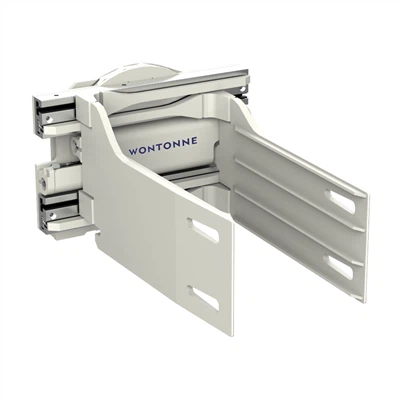
Other attachments, such as High Strength Steel Forklift Glass Handler With Mechanical American Technology Design, may have specific requirements for fork length and configuration. It's important to ensure that the fork length is compatible with the attachment to ensure proper fit and functionality.
5. Cost and Maintenance
The choice of fork length can also have implications for cost and maintenance. Longer forks are generally more expensive than shorter forks due to the additional material and manufacturing requirements. Additionally, longer forks may require more frequent maintenance and inspection to ensure their structural integrity.
The increased weight and stress on the forklift's mast and other components associated with longer forks can also lead to increased wear and tear. This may result in more frequent repairs and replacement of parts, which can add to the overall cost of operating the forklift.
Conclusion
In conclusion, fork length has a significant impact on forklift performance in terms of load capacity, stability, maneuverability, reach, compatibility with attachments, and cost and maintenance. As a forklift forks supplier, I understand the importance of choosing the right fork length for your specific application. By considering the factors discussed in this blog post and consulting with our experts, you can make an informed decision that will optimize the performance and efficiency of your forklift operations.
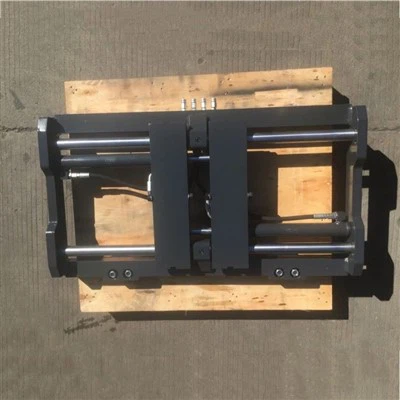
If you're in the market for forklift forks or need advice on selecting the right fork length for your needs, I encourage you to reach out to us. Our team of experienced professionals is ready to assist you in finding the perfect solution for your forklift requirements. Whether you need Forklift Forks for Tractor, fork extensions, or specialized attachments, we have the expertise and products to meet your needs.
References
- Forklift Operator's Manuals from Various Manufacturers
- Industrial Truck Association (ITA) Guidelines
- OSHA Regulations on Forklift Safety