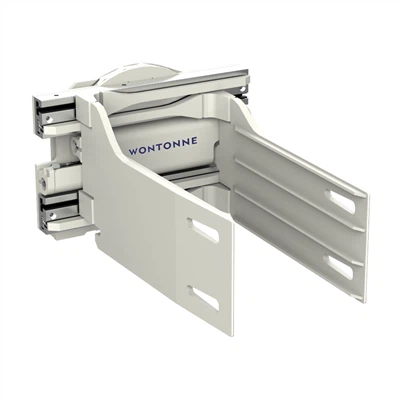
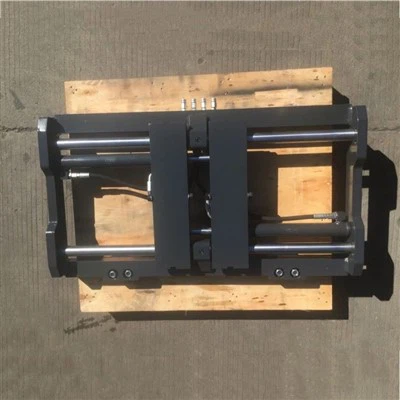
The lifting capacity of a push pull forklift is a critical factor that significantly influences its performance and suitability for various material - handling tasks. As a reputable push pull forklift supplier, we understand the importance of this metric, especially when considering different lifting heights.
Understanding Push Pull Forklifts
Push pull forklifts are specialized material - handling equipment designed to handle loads with the use of a push - pull attachment. These attachments are used to pick up, transport, and deposit loads, typically on slip sheets instead of traditional pallets. This not only reduces the cost associated with pallet usage but also increases the efficiency of material handling operations.
Factors Affecting Lifting Capacity at Different Heights
1. Forklift Design and Structure
The design of the push pull forklift itself plays a fundamental role in determining its lifting capacity at different heights. The mast structure, which is responsible for raising and lowering the load, is a key component. A well - engineered mast with strong hydraulic cylinders and robust frame can withstand greater stress, allowing for higher lifting capacities even at increased heights. For example, forklifts with a double - mast or triple - mast design often have better load - handling capabilities as they provide more stability and support compared to single - mast models.
2. Load Center
The load center is another crucial factor. It is the distance from the face of the forks to the center of gravity of the load. As the lifting height increases, the effective load center may change, which in turn affects the lifting capacity. A load with a greater load center will put more stress on the forklift's mast and hydraulic system, reducing the overall lifting capacity. For instance, if a load is placed too far forward on the forks, it can cause the forklift to become unstable, especially at higher lifting heights.
3. Hydraulic System
The hydraulic system of the push pull forklift is responsible for generating the force required to lift the load. The capacity of the hydraulic pump, the size of the hydraulic cylinders, and the quality of the hydraulic fluid all impact the lifting performance. At higher lifting heights, the hydraulic system needs to work harder to overcome the increased gravitational force acting on the load. A high - quality hydraulic system with sufficient power and efficient flow control can maintain a relatively stable lifting capacity even as the height increases.
Lifting Capacity at Different Heights
1. Low Heights (0 - 1 meter)
At low lifting heights, push pull forklifts typically have their maximum lifting capacity. The stress on the mast and hydraulic system is minimal, and the load is closer to the forklift's base, providing better stability. For example, a standard push pull forklift might have a lifting capacity of 3 - 5 tons at these low heights. This makes them ideal for tasks such as loading and unloading goods from trucks at ground level or moving heavy loads short distances within a warehouse.
2. Medium Heights (1 - 3 meters)
As the lifting height increases to the medium range, the lifting capacity gradually decreases. The mast has to extend further, which reduces its rigidity and increases the leverage effect on the load. The hydraulic system also has to work harder to lift the load against gravity. A forklift that can lift 5 tons at 1 meter might only be able to lift 4 tons at 2 meters. However, these medium - height lifts are still common in many warehouse operations, such as stacking goods on mid - level shelves.
3. High Heights (3 meters and above)
At high lifting heights, the reduction in lifting capacity becomes more significant. The stability of the forklift is a major concern, and the mast is under greater stress. Specialized high - lift push pull forklifts are designed to handle these situations, but even they have limitations. For example, a high - lift push pull forklift might have a lifting capacity of 2 - 3 tons at 5 meters. These forklifts are used in high - rack warehouses where goods need to be stored at great heights.


Our Product Range and Lifting Capacities
As a push pull forklift supplier, we offer a diverse range of products to meet different customer needs. Our [Inverta Push Clamp](/hydraulic - attachments/push - pull - forklift/inverta - push - clamp.html) is a popular choice for handling various types of loads. It is designed with a strong hydraulic system and a well - engineered mast, which allows for a relatively high lifting capacity even at medium heights.
Our [Quick Fork Mount Push Pull - Sheet Save Types](/hydraulic - attachments/push - pull - forklift/quick - fork - mount - push - pull - sheet - save - types.html) are known for their versatility. They can be quickly attached to standard forklifts, providing an efficient solution for handling slip - sheeted loads. These attachments have different lifting capacities depending on the model, and we can provide detailed specifications based on your specific requirements.
The [QPB16E Quick Fork Mount Push Pull - Sheet Save Types](/hydraulic - attachments/push - pull - forklift/qpb16e - quick - fork - mount - push - pull - sheet - save.html) is another excellent product in our portfolio. It offers a good balance between lifting capacity and height performance, making it suitable for a wide range of material - handling applications.
Importance of Choosing the Right Lifting Capacity
Selecting the appropriate push pull forklift with the right lifting capacity for your specific tasks is crucial. If the lifting capacity is too low, it can lead to inefficiencies, as the forklift may not be able to handle the required loads, resulting in multiple trips and longer handling times. On the other hand, if the lifting capacity is too high, you may end up paying more for a forklift that has capabilities you don't need, which can increase your equipment costs.
Contact Us for Procurement
If you are in the market for a push pull forklift and need to understand which model with the right lifting capacity at different heights suits your operations, we are here to help. Our team of experts can provide you with detailed information about our products, including lifting capacity charts, technical specifications, and pricing. We can also offer on - site demonstrations to show you the performance of our push pull forklifts in real - world scenarios.
Don't hesitate to reach out to us to start a procurement discussion. We are committed to providing you with the best push pull forklift solutions that meet your material - handling needs.
References
- "Forklift Operator's Manual" - Industry standard manual for forklift operation and specifications.
- "Material Handling Equipment Handbook" - A comprehensive guide on various types of material - handling equipment, including push pull forklifts.
- Manufacturer's technical documents for push pull forklift models.