What is the load capacity of forklift forks?


As a seasoned supplier of forklift forks, I often encounter inquiries regarding the load capacity of these essential attachments. Understanding the load capacity of forklift forks is crucial for ensuring safe and efficient material handling operations. In this blog post, I will delve into the factors that determine the load capacity of forklift forks, the importance of adhering to load limits, and how our high - quality forklift forks can meet your specific needs.
Factors Determining Forklift Fork Load Capacity
The load capacity of forklift forks is not a fixed value; it is influenced by several key factors.
Fork Design and Dimensions
The design and dimensions of the forks play a significant role in determining their load - bearing capacity. Forks come in various shapes and sizes, including different lengths, widths, and thicknesses. Longer forks may have a reduced load capacity compared to shorter ones because the leverage effect increases as the length of the fork extends. For example, if a fork is too long for a particular load, it can cause excessive bending stress, which may lead to fork failure.
The width of the forks also matters. Narrow forks may be suitable for handling small, concentrated loads, while wider forks are better for larger, more spread - out loads. The thickness of the fork blades is another critical factor. Thicker blades generally have a higher load capacity as they can withstand greater forces without deforming.
Material Quality
The material used to manufacture the forklift forks is of utmost importance. High - strength steel alloys are commonly used because they offer excellent strength and durability. The quality of the steel, including its composition and heat - treatment process, can significantly affect the load capacity. Forks made from inferior materials may not be able to handle the same loads as those made from high - grade steel. For instance, a fork made from low - quality steel may experience premature wear, cracking, or deformation under normal operating conditions.
Forklift Compatibility
The load capacity of the forks is also related to the forklift on which they are mounted. Each forklift has a rated capacity, and the forks must be selected to match this capacity. The forklift's mast, hydraulic system, and overall stability all contribute to the safe handling of loads. If the forks have a higher load capacity than the forklift can support, it can lead to instability and potential accidents. Conversely, using forks with a lower load capacity than required for the intended load can also be dangerous as the forks may fail under the stress.
Importance of Adhering to Load Limits
Adhering to the load limits of forklift forks is not just a matter of safety; it is also essential for maintaining the integrity of the equipment and ensuring efficient operations.
Safety First
Overloading forklift forks is one of the leading causes of forklift accidents. When a fork is overloaded, it can bend, break, or cause the forklift to tip over. This can result in serious injuries to operators and bystanders, as well as damage to the load and the surrounding infrastructure. By following the recommended load capacity, operators can significantly reduce the risk of accidents and create a safer work environment.
Equipment Longevity
Exceeding the load capacity of the forks can cause excessive wear and tear on the forks and the forklift. Bending or deforming the forks can weaken their structure, making them more prone to failure in the future. This can lead to costly repairs or the need for premature replacement of the forks. Additionally, overloading can put extra strain on the forklift's hydraulic system, mast, and other components, reducing their lifespan and increasing maintenance costs.
Operational Efficiency
Using forks with the appropriate load capacity ensures that the forklift can operate at its optimal level. When the load is within the capacity of the forks, the forklift can lift, move, and stack the load smoothly and efficiently. Overloading can slow down the forklift's operations, as the hydraulic system may struggle to lift the excessive weight, and the forklift may become less maneuverable.
Our Forklift Fork Offerings
As a supplier of forklift forks, we offer a wide range of products to meet the diverse needs of our customers.
Forklift Fork Spreader
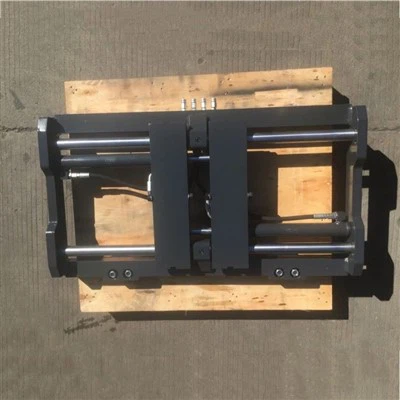
Our Forklift Fork Spreader is designed to increase the stability and load - handling capacity when dealing with wide or irregularly shaped loads. It allows the forks to be adjusted to different widths, providing greater flexibility in material handling. This attachment is made from high - quality steel, ensuring a high load capacity and long - term durability.
Forklift Forks for Tractor
If you are looking for forks specifically designed for tractors, our Forklift Forks for Tractor are an excellent choice. These forks are engineered to be compatible with tractors, providing a reliable solution for agricultural and industrial applications. They are available in various sizes and load capacities to suit different tractor models and load requirements.
Forklift Roller Forks
Our Forklift Roller Forks are ideal for handling loads that require smooth movement. The rollers on the forks reduce friction, making it easier to load and unload materials. This type of fork is suitable for applications such as moving pallets, crates, and other heavy items. The load capacity of our roller forks is carefully calculated to ensure safe and efficient operation.
How to Determine the Right Forklift Forks for Your Needs
When selecting forklift forks, it is essential to consider the following steps:
- Assess the Load Requirements: Determine the maximum weight, size, and shape of the loads you will be handling. This will help you identify the appropriate load capacity and fork dimensions.
- Consider the Forklift Specifications: Check the rated capacity of your forklift and ensure that the forks you choose are compatible. Also, consider the mast height, lift speed, and other features of the forklift.
- Evaluate the Application Environment: If you are working in a confined space, you may need shorter forks for better maneuverability. If the environment is harsh, such as in a chemical or high - temperature setting, you may need forks with special coatings or materials.
- Consult with Experts: Our team of experts is always available to assist you in selecting the right forklift forks. We can provide detailed information about the load capacity, features, and benefits of our products.
Conclusion
The load capacity of forklift forks is a critical factor in material handling operations. By understanding the factors that determine the load capacity, adhering to load limits, and selecting the right forks for your needs, you can ensure safe, efficient, and cost - effective operations.
As a supplier, we are committed to providing high - quality forklift forks that meet the highest standards of safety and performance. If you have any questions about our products or need assistance in selecting the right forklift forks, please do not hesitate to contact us. We look forward to the opportunity to discuss your requirements and help you find the perfect solution for your material handling needs.
References
- "Forklift Safety Manual", Occupational Safety and Health Administration (OSHA)
- "Material Handling Equipment Handbook", Industrial Press Inc.
- "Forklift Fork Design and Testing Standards", American Society of Mechanical Engineers (ASME)