As a supplier of Turnaload Clamps, I often get asked about the maximum load capacity of these essential industrial tools. Understanding the maximum load capacity is crucial for ensuring safety, efficiency, and the proper performance of any material handling operation. In this blog post, I'll delve into the factors that determine the maximum load capacity of a Turnaload Clamp and shed light on how to choose the right clamp for your specific needs.
What Determines the Maximum Load Capacity?
The maximum load capacity of a Turnaload Clamp is influenced by several key factors. These factors work in tandem to define the safe and effective weight limit that a clamp can handle. Let's take a closer look at each of these determinants:
1. Clamp Design and Construction
The design and construction of a Turnaload Clamp play a fundamental role in its load - handling capabilities. Clamps are engineered with different geometries, materials, and structural features to accommodate varying load requirements. For instance, clamps designed for heavy - duty applications are typically built with thicker steel plates, reinforced frames, and robust hydraulic cylinders. These design elements enhance the clamp's strength and durability, allowing it to withstand higher loads without deformation or failure.


2. Hydraulic System
The hydraulic system is the heart of a Turnaload Clamp. It provides the force necessary to grip and hold the load securely. The capacity of the hydraulic pump, the size of the hydraulic cylinders, and the pressure rating of the system all contribute to the maximum load capacity. A high - pressure hydraulic system with large - diameter cylinders can generate more clamping force, enabling the clamp to handle heavier loads. However, it's important to note that the hydraulic system must be properly maintained to ensure consistent performance and to prevent leaks or malfunctions that could compromise the load capacity.
3. Load Type and Shape
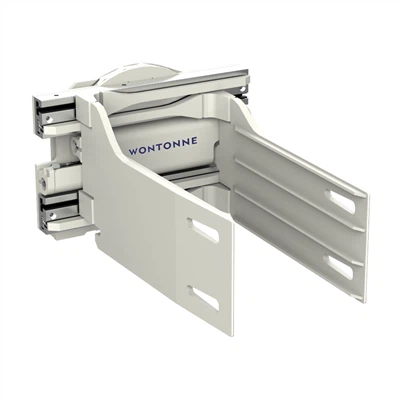
The type and shape of the load being handled also impact the maximum load capacity. Irregularly shaped loads or loads with uneven weight distribution may require a clamp with a specialized design to ensure a secure grip. For example, a Bale Clamp - E Series - Side Shifting is specifically designed to handle bales of various sizes and shapes. The side - shifting feature allows for precise positioning of the clamp, ensuring that the load is centered and balanced, which in turn maximizes the load - handling capacity.
4. Forklift Compatibility
The Turnaload Clamp is typically mounted on a forklift. The lift capacity of the forklift itself is a limiting factor for the maximum load capacity of the clamp. The combined weight of the clamp and the load must not exceed the forklift's rated capacity. It's essential to choose a clamp that is compatible with the forklift's make, model, and lift capacity to ensure safe and efficient operation.
Understanding Load Capacity Ratings
Load capacity ratings for Turnaload Clamps are typically specified by the manufacturer. These ratings indicate the maximum weight that the clamp can safely handle under ideal conditions. However, it's important to remember that real - world operating conditions may vary, and additional factors such as load distribution, lifting height, and operating environment can affect the actual load - handling capacity.
When selecting a Turnaload Clamp, it's crucial to consider the specific requirements of your application. If you're handling heavy, dense loads, you'll need a clamp with a higher load capacity rating. On the other hand, if you're dealing with lighter loads or require more flexibility in load handling, a clamp with a lower capacity but more specialized features may be more suitable.
Examples of Turnaload Clamps and Their Load Capacities
Let's take a look at some common types of Turnaload Clamps and their typical load capacities:
1. BCS40F - Bale Clamp
This bale clamp is designed for handling various types of bales, such as hay, cotton, and paper. It typically has a load capacity ranging from 2 to 4 tons, depending on the specific model and configuration. The BCS40F features a robust design and a powerful hydraulic system, making it suitable for medium - to heavy - duty bale handling applications.
2. Forklift Fork Clamps
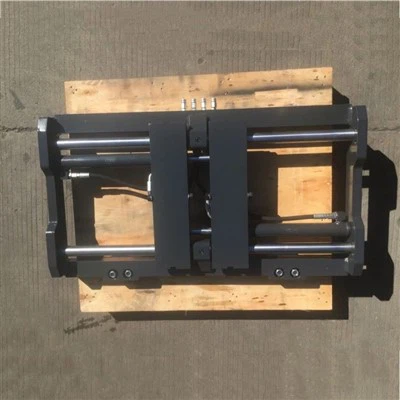
Forklift fork clamps are used for gripping and handling loads between the forks of a forklift. They are versatile tools that can be used in a wide range of applications, from moving pallets to handling irregularly shaped objects. The load capacity of forklift fork clamps can vary widely, from a few hundred kilograms to several tons, depending on the size and design of the clamp.
Choosing the Right Turnaload Clamp for Your Needs
Selecting the right Turnaload Clamp for your material handling operation requires careful consideration of several factors. Here are some steps to help you make an informed decision:
1. Assess Your Load Requirements
Determine the type, size, and weight of the loads you'll be handling on a regular basis. Consider any special requirements, such as load shape, load distribution, and the need for side - shifting or rotation capabilities.
2. Evaluate Your Forklift
Check the lift capacity, mast height, and hydraulic system of your forklift to ensure compatibility with the clamp. Make sure that the combined weight of the clamp and the load will not exceed the forklift's rated capacity.
3. Consider the Operating Environment
Take into account the conditions in which the clamp will be used, such as temperature, humidity, and the presence of dust or debris. Some clamps are designed to withstand harsh environments, while others may require more protection or maintenance.
4. Consult with an Expert
If you're unsure which Turnaload Clamp is right for your application, don't hesitate to consult with an expert. As a supplier, I have extensive knowledge and experience in helping customers choose the most suitable clamps for their needs. I can provide you with detailed information about different models, load capacities, and features, and help you make a decision that will optimize your material handling operations.
Conclusion
The maximum load capacity of a Turnaload Clamp is determined by a combination of factors, including clamp design, hydraulic system, load type, and forklift compatibility. By understanding these factors and carefully considering your specific requirements, you can choose the right clamp for your material handling operation. Whether you're looking for a BCS40F - Bale Clamp for bale handling or a Forklift Fork Clamps for general load gripping, I'm here to assist you.
If you're interested in learning more about our Turnaload Clamps or would like to discuss your specific needs, please feel free to reach out. I'm committed to providing you with the best products and services to meet your material handling challenges. Let's work together to find the perfect solution for your business.
References
- Manufacturer's specifications for Turnaload Clamps
- Industry standards and guidelines for material handling equipment
- Technical literature on hydraulic systems and forklift operations