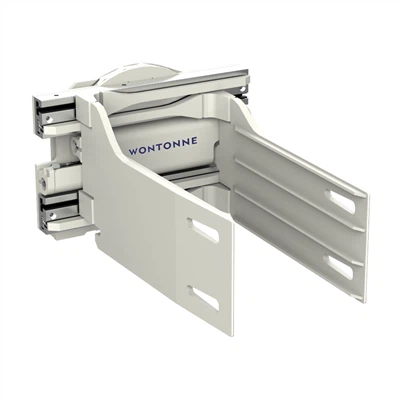
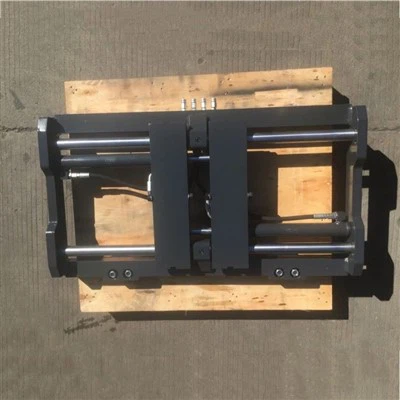
Hey there! As a clamps supplier, I often get asked about the maximum pressure a typical clamp can apply. It's a super important question, especially for those in industries where precision and strength are key. So, let's dive right in and explore this topic.
First off, it's crucial to understand that there's no one - size - fits - all answer when it comes to the maximum pressure of a clamp. Clamps come in all shapes and sizes, and their pressure - applying capabilities depend on several factors.
Types of Clamps and Their Pressure Capabilities
Manual Clamps
Manual clamps are probably the most common type you'll see in small workshops or DIY projects. These are the ones you tighten by hand, using a screw or a lever. The pressure they can apply is usually limited by the physical strength of the person operating them.

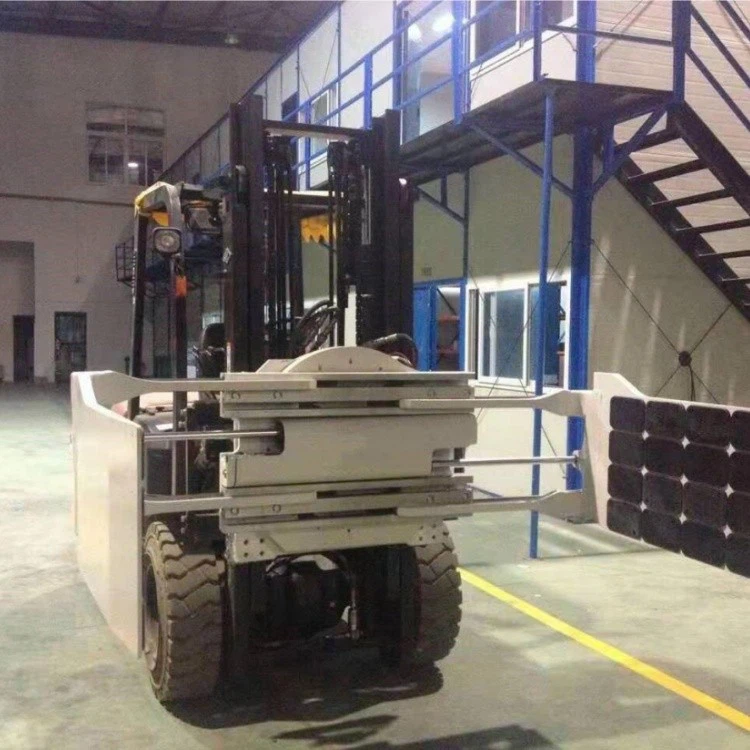
For example, a simple C - clamp that you might use to hold two pieces of wood together while gluing them. These clamps typically have a maximum pressure in the range of a few hundred pounds. The exact amount can vary based on the size of the clamp and the quality of its construction. A small, lightweight C - clamp might max out at around 200 - 300 pounds of pressure, while a larger, heavy - duty one could reach up to 1000 pounds.
Hydraulic Clamps
Now, hydraulic clamps are a whole different ballgame. These are the heavy hitters in the clamp world. They use hydraulic fluid to generate a huge amount of force. Hydraulic clamps are commonly used in industrial settings, like manufacturing plants and construction sites.
The maximum pressure of a hydraulic clamp can be extremely high. Some industrial - grade hydraulic clamps can apply pressures in the tens of thousands of pounds. For instance, a large - scale hydraulic clamp used in metalworking might be able to apply pressures upwards of 20,000 pounds. This high pressure allows them to hold extremely heavy and large workpieces securely in place during machining or welding operations.
Factors Affecting Maximum Pressure
Material and Design
The material a clamp is made from plays a big role in how much pressure it can handle. Clamps made from high - strength metals like steel are generally able to withstand and apply more pressure than those made from lighter materials like aluminum.
The design of the clamp also matters. A well - designed clamp with a strong frame and a good mechanism for transferring force will be able to apply more pressure effectively. For example, a clamp with a wide base and a sturdy screw mechanism will distribute the pressure more evenly and can handle higher loads compared to a flimsy - looking clamp.
Size
Size is another important factor. Generally, larger clamps can apply more pressure than smaller ones. This is because they have more surface area to distribute the force and usually have stronger components. A big, industrial - sized clamp will have larger hydraulic cylinders or thicker screws, which can generate and withstand greater forces.
Specific Clamp Products and Their Pressure Ratings
Let's take a look at some of the clamps we offer as a supplier.
The TAL30D Turnaloads are a great example of high - performance clamps. These are designed for heavy - duty applications and can apply a significant amount of pressure. They are built with high - quality materials and a robust design, allowing them to handle tough jobs with ease.
Our Forklift Multi - Purpose Clamps are also quite impressive. These clamps are used in conjunction with forklifts and need to be able to grip and hold various types of loads. They are engineered to apply enough pressure to keep the loads stable during lifting and moving operations.
The Heavy - Duty Multi - Purpose Block Clamp – Forklift Accessory For Efficient Handling Of Concrete & Stone Blocks is specifically designed for handling heavy concrete and stone blocks. It has a high maximum pressure rating to ensure that it can securely hold these heavy materials without dropping them.
Why Maximum Pressure Matters
Understanding the maximum pressure a clamp can apply is crucial for several reasons. In manufacturing, if a clamp can't apply enough pressure, the workpiece might move during machining, leading to inaccurate cuts and a poor - quality finished product.
In construction, a clamp that can't hold a heavy load securely could pose a safety risk. Workers need to know that the clamps they are using can handle the weight and pressure of the materials they are working with.
How to Determine the Right Clamp Pressure
When choosing a clamp, you need to consider the specific requirements of your project. First, figure out the weight and size of the workpiece you'll be clamping. If it's a small, lightweight object, a manual clamp with a lower pressure rating might be sufficient. But if you're dealing with heavy machinery parts or large concrete blocks, you'll need a hydraulic clamp with a high maximum pressure.
You also need to think about the type of operation. For example, if you're doing precision machining, you might need a clamp that can apply a consistent and accurate amount of pressure. On the other hand, if you're just holding something in place temporarily, you might not need as much precision.
Conclusion
So, as you can see, the maximum pressure a typical clamp can apply varies widely depending on the type of clamp, its design, and the materials it's made from. Whether you're a DIY enthusiast working on a small project or an industrial professional in need of heavy - duty clamping solutions, there's a clamp out there for you.
If you're in the market for clamps and need help figuring out which ones are right for your needs, don't hesitate to reach out. We're here to assist you in finding the perfect clamps for your specific applications. Just drop us a line, and we'll be happy to have a chat and discuss your requirements. Let's work together to get your projects done safely and efficiently!
References
- "Clamping Technology Handbook", Industry Press, 2018
- "Hydraulic Systems and Components", Engineering Publications, 2020