The noise level of industrial equipment is a critical factor that not only affects the working environment but also has implications for worker health and safety. In the context of forklift rotators, understanding their noise levels is essential for both operators and those in the vicinity of the equipment. As a supplier of high - quality forklift rotators, we are committed to providing detailed information about our products, including their noise characteristics.
Understanding Forklift Rotators
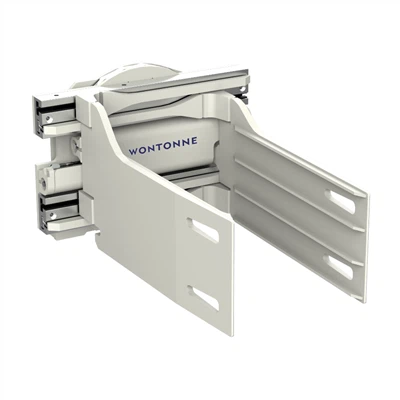
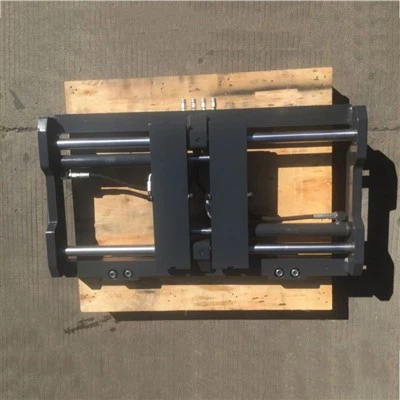
Forklift rotators are hydraulic attachments designed to rotate loads up to 360 degrees. They are widely used in various industries such as manufacturing, warehousing, and logistics to handle materials more efficiently. Our company offers a range of forklift rotators, including the D Series Rotator, Standrad Type, RRB54D D Series Rotator, Hollow - out Type, and RRB30D D Series Rotator, Hollow - out Type. These rotators are engineered with precision to meet the diverse needs of our customers.
Factors Affecting the Noise Level of Forklift Rotators
The noise level of a forklift rotator is influenced by several factors. Firstly, the hydraulic system plays a significant role. Hydraulic pumps, valves, and hoses can generate noise during operation. The high - pressure flow of hydraulic fluid through these components can cause vibrations and pressure fluctuations, which in turn produce sound. For example, if the hydraulic pump is not properly maintained or is of low quality, it may generate louder noise due to inefficient operation.
Secondly, the mechanical components of the rotator also contribute to the noise. The gears, bearings, and shafts within the rotator can create noise when they are in motion. Wear and tear on these components can increase the noise level. For instance, a worn - out bearing may produce a distinct grinding noise, indicating that it needs to be replaced.
Another factor is the load being handled. Heavier loads may require more power from the hydraulic system, which can lead to increased noise levels. Additionally, the way the load is attached to the rotator can also affect the noise. If the load is not properly secured, it may cause vibrations and rattling, adding to the overall noise.
Measuring the Noise Level
To accurately measure the noise level of a forklift rotator, we use specialized equipment such as sound level meters. These meters are calibrated to measure sound pressure levels in decibels (dB). The measurements are typically taken at a specific distance from the rotator, usually at the operator's ear position.
In general, the noise level of our forklift rotators falls within an acceptable range for industrial environments. However, the exact noise level can vary depending on the model and the operating conditions. For example, the D Series Rotator, Standrad Type has been designed to operate with relatively low noise levels, thanks to its advanced hydraulic and mechanical design.
Impact of Noise on Workers and the Environment
Excessive noise in the workplace can have several negative impacts. For workers, prolonged exposure to high - noise levels can lead to hearing loss, stress, and fatigue. It can also affect communication and concentration, increasing the risk of accidents. In the long run, hearing loss is a serious occupational health issue that can have a significant impact on a worker's quality of life.
From an environmental perspective, high - noise levels can be a nuisance to those in the surrounding area. This can be a concern, especially in industrial areas close to residential neighborhoods. Therefore, it is important to choose forklift rotators with lower noise levels to minimize these impacts.
Our Approach to Noise Reduction
As a supplier, we are constantly working on improving the design of our forklift rotators to reduce noise levels. We invest in research and development to find better hydraulic and mechanical solutions. For example, we use high - quality hydraulic pumps and valves that are designed to operate more quietly. We also focus on proper lubrication and maintenance of the mechanical components to reduce friction and noise.
In addition, we provide training and support to our customers on how to operate and maintain the rotators to minimize noise. This includes regular inspections, proper lubrication, and timely replacement of worn - out parts. By following these guidelines, our customers can ensure that their forklift rotators operate at optimal noise levels throughout their lifespan.
Comparison with Competitors
When compared to our competitors, our forklift rotators have a distinct advantage in terms of noise levels. Our commitment to using high - quality materials and advanced design techniques allows us to produce rotators that are quieter and more efficient. Many of our competitors may cut corners on quality to reduce costs, resulting in higher noise levels and lower reliability.
We also offer a comprehensive after - sales service, which includes noise - related troubleshooting and maintenance. This ensures that our customers can always rely on us to keep their rotators operating smoothly and quietly.
Importance of Low - Noise Forklift Rotators in Different Industries
In industries such as food and beverage, pharmaceutical, and electronics, low - noise forklift rotators are particularly important. In these industries, a quiet working environment is crucial to prevent damage to sensitive products and to maintain a clean and professional atmosphere. For example, in a pharmaceutical manufacturing facility, excessive noise can disrupt the precision processes and may even affect the quality of the products.

In warehousing and logistics, low - noise rotators can improve the working conditions for employees, leading to higher productivity and lower absenteeism. They also help to create a more pleasant work environment, which can be a competitive advantage when attracting and retaining talent.
Future Developments in Noise Reduction
Looking ahead, we are committed to further reducing the noise levels of our forklift rotators. We are exploring new technologies such as variable - speed hydraulic pumps and advanced sound - absorbing materials. These technologies have the potential to significantly reduce the noise generated by the rotators while maintaining or improving their performance.
We also plan to conduct more in - depth research on the relationship between noise and the overall efficiency of the rotators. By understanding this relationship, we can develop strategies to optimize both noise reduction and performance.
Conclusion
The noise level of a forklift rotator is an important consideration for both operators and those in the vicinity of the equipment. As a supplier, we are dedicated to providing high - quality forklift rotators with low noise levels. Our products, such as the D Series Rotator, Standrad Type, RRB54D D Series Rotator, Hollow - out Type, and RRB30D D Series Rotator, Hollow - out Type, are designed with advanced technology and high - quality materials to ensure quiet and efficient operation.
If you are interested in learning more about our forklift rotators or have any questions regarding noise levels and other features, please feel free to contact us for a detailed discussion. We are ready to assist you in finding the best solution for your specific needs.
References
- OSHA. (2019). Occupational Noise Exposure. Retrieved from OSHA official website.
- ISO 3744:2010. Acoustics - Determination of sound power levels of noise sources using sound pressure - Engineering methods for an essentially free field over a reflecting plane.
- Industrial Noise Control Handbook. (2015). Wiley.